




The Allure of a Natural Cure
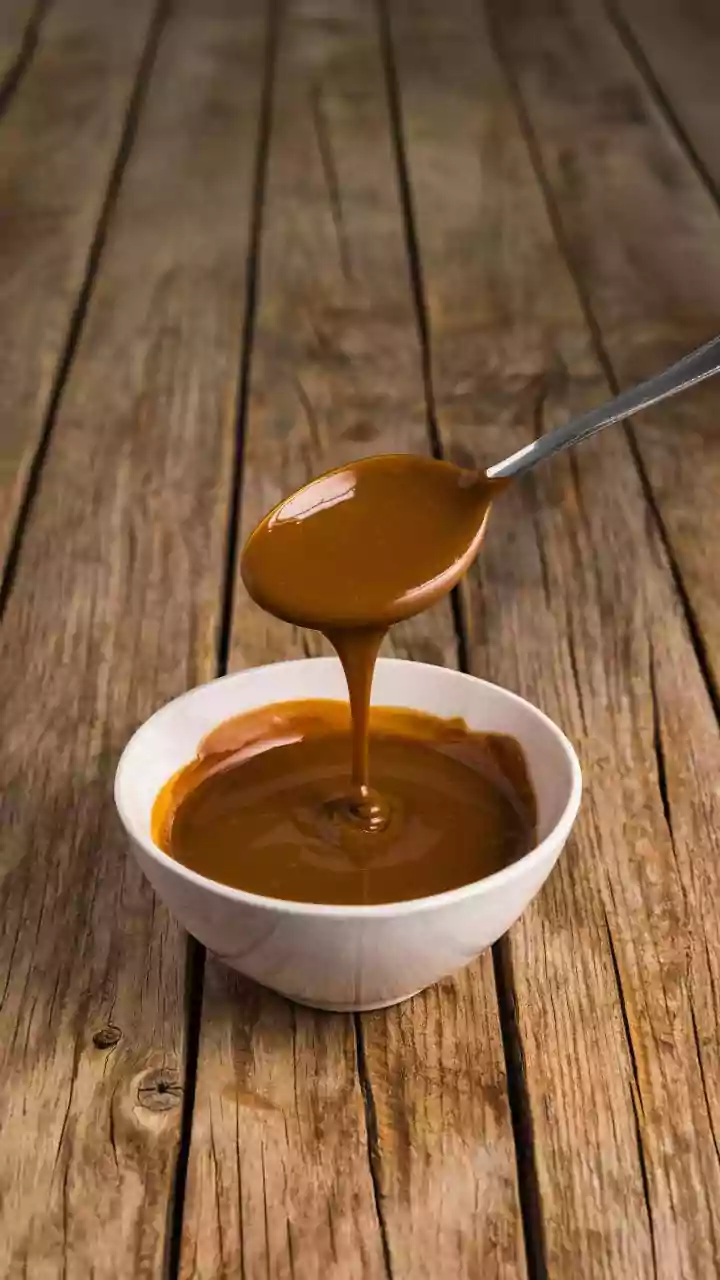
It’s easy to see why maple syrup gets caught up in wellness trends. Unlike refined white sugar, which is stripped of nutrients, pure maple syrup contains minerals like manganese and zinc, and is a source of antioxidants. Health blogs and social media
posts often highlight these components, particularly plant-based compounds called polyphenols, which are linked to reduced inflammation and other benefits in laboratory settings. Some animal studies have even suggested a link between maple syrup consumption and lower cholesterol levels in mice. This combination of a 'natural' origin and the presence of beneficial compounds creates a compelling narrative: if it comes from a tree and contains nutrients, it must be a powerful medicine. This line of thinking leads many to hope it could be a simple, sweet solution to complex health issues like high cholesterol.
From the Lab to Your Kitchen
The crucial distinction to make is between a compound studied in isolation and a whole food consumed as part of a regular diet. While scientists have identified potentially beneficial polyphenols in maple syrup, the context of their consumption matters immensely. To get a medically significant dose of these compounds, you would likely need to consume a very large, and very unhealthy, amount of syrup. The reality is that maple syrup is, by composition, primarily sugar—about two-thirds sucrose. While it has a slightly lower glycemic index than table sugar, meaning it raises blood sugar a bit more slowly, it is still a high-calorie sweetener. Relying on it for cholesterol management would be counterproductive, as a diet high in added sugars can contribute to weight gain, metabolic issues, and other risk factors for heart disease, effectively canceling out any minor benefits from its mineral or antioxidant content.
Sugar by Any Other Name
When managing health, it is essential to see foods for what they are. Maple syrup is a sweetener. While it is less processed and contains more nutrients than refined white sugar or high-fructose corn syrup, it should still be treated as an 'added sugar' in your diet. The World Health Organization recommends limiting added sugars to less than 10% of your total daily energy intake. Consuming large amounts of any sweetener, including maple syrup, can lead to health problems. For instance, a single tablespoon of maple syrup contains around 50 calories, almost all from sugar. While it's certainly a more flavourful and slightly more nutritious choice for your pancakes compared to plain sugar, it does not belong in the same category as vegetables, fruits, and whole grains—the true powerhouses of a healthy diet.
The Real Way to Manage Cholesterol
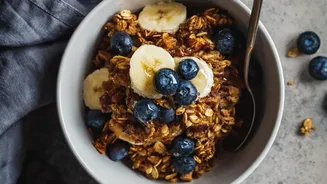
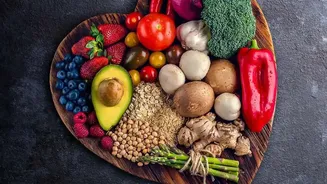
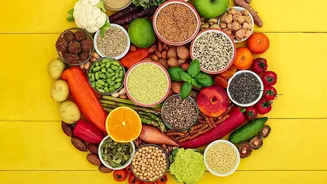
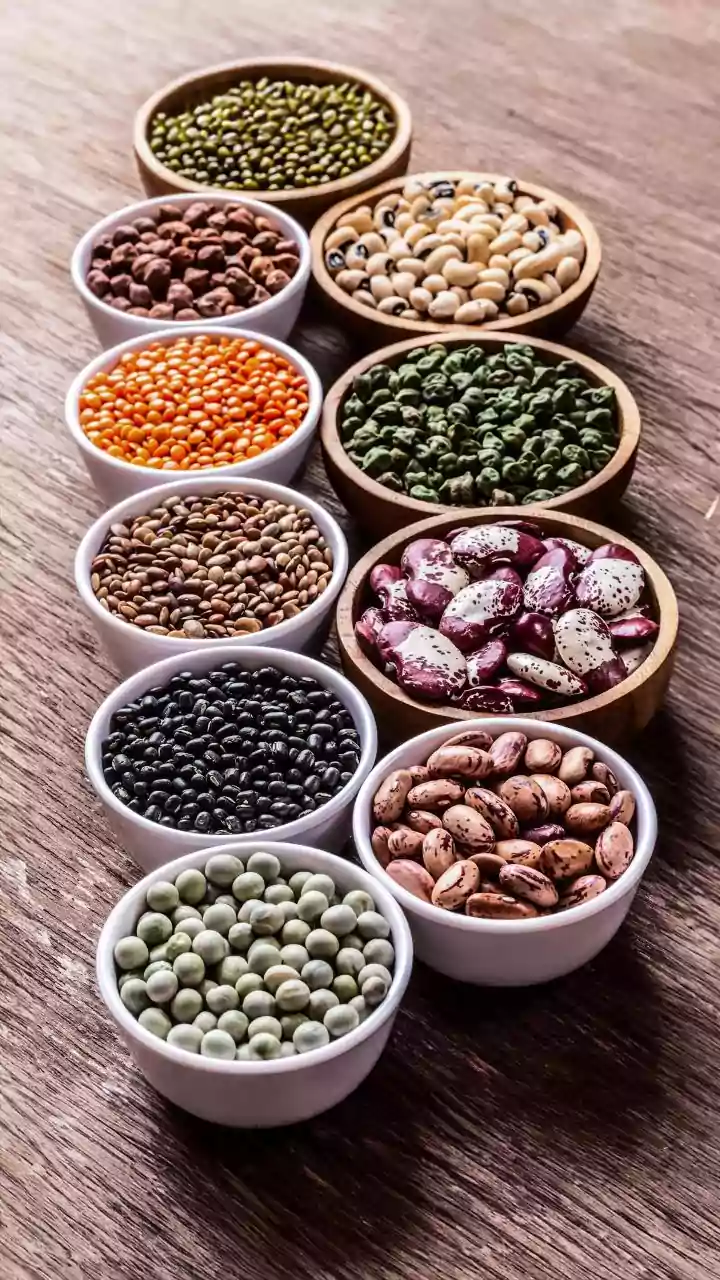
If you're serious about lowering your cholesterol, the path doesn't run through a bottle of maple syrup. Medical and nutritional experts are clear on the most effective strategies. A heart-healthy diet focuses on increasing your intake of soluble fiber from sources like oats, beans, apples, and lentils, which helps remove cholesterol from your body. It's also crucial to replace saturated and trans fats with healthier unsaturated fats found in foods like avocados, nuts, seeds, and olive oil. Limiting processed foods, fatty meats, and full-fat dairy is another key step. Beyond diet, regular physical activity and maintaining a healthy weight are fundamental components of managing cholesterol and reducing your overall risk for heart disease. These evidence-based lifestyle changes are the cornerstones of effective cholesterol management.
How to Enjoy Maple Syrup Right
This doesn't mean you need to banish maple syrup from your pantry. The key is moderation and perspective. Use pure maple syrup as it was intended: as a delicious flavouring agent, not a health supplement. A small drizzle over oatmeal or Greek yogurt, or used in a marinade, can add flavour and a touch of minerals without overloading your system with sugar. When you do use it, opt for darker, more robust syrups, often labelled as Grade A Dark, as they tend to have a higher concentration of antioxidants than lighter varieties. Think of it as a better-for-you upgrade from other refined sweeteners, but an upgrade that should still be used sparingly. Enjoy its unique taste, but don't expect it to perform medical miracles.