







More Than Just Banning Cars
The magic of a pedestrian-friendly street isn't simply the absence of vehicles. True pedestrianization is a deliberate act of design. It's about reclaiming space for people and creating an environment that invites them to linger. This involves more than
just putting up a 'No Entry' sign; it means widening pavements, installing comfortable public seating, adding greenery and public art, and ensuring the architecture is at a human scale. The goal is to transform a simple thoroughfare, designed for movement, into a destination designed for experience. It’s the difference between a place you pass through and a place you want to be. When done right, these streets become vibrant public living rooms where community and commerce can flourish side-by-side.
Good for People, Great for Business
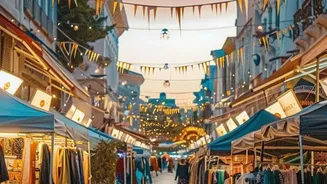
While initial proposals to ban cars are often met with concern from shop owners, the evidence overwhelmingly shows that pedestrianization is a powerful economic driver. Studies consistently find that when streets are made more walkable, foot traffic increases, and people tend to stay longer and spend more money. A study in several Spanish cities showed that stores in pedestrian areas recorded higher sales volumes. It transforms shopping from a purely transactional activity into an enjoyable, leisurely experience. These streets become destinations, attracting not just locals but also tourists, boosting the entire area's economic vitality. Cafes and restaurants, in particular, often see a significant rise in business as people take advantage of the calmer, more pleasant atmosphere.
The Social and Wellness Dividend
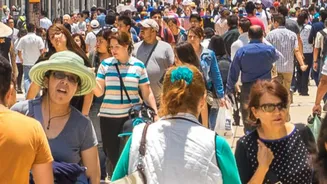
The benefits of walkable streets extend far beyond the cash register. By creating safe, accessible public spaces, cities foster a stronger sense of community. Without the barrier of traffic, social interactions happen more naturally. Neighbours meet, children can play more freely, and a shared sense of ownership over the public space develops. There are also significant health and wellness advantages. These environments encourage walking and cycling, promoting physical activity. Furthermore, the reduction in vehicle traffic leads to improved air quality and a dramatic decrease in noise pollution, creating a less stressful and healthier urban environment for everyone.
Copenhagen's Car-Free Pioneer: Strøget
One of the earliest and most famous examples is Strøget in Copenhagen, which was converted into a pedestrian zone as a temporary experiment back in 1962. Initially met with scepticism, the project was a resounding success, demonstrating that people would embrace the opportunity to enjoy their city on foot. Today, Strøget is over a kilometre long and is the vibrant heart of the city's shopping district, mixing high-end luxury brands with popular chain stores. Its success proved that prioritising people over cars could lead to both economic prosperity and a higher quality of life, inspiring countless other cities around the world.
York's Medieval Marvel: The Shambles
For an example steeped in history, look no further than The Shambles in York, England. Often cited as one of the best preserved medieval streets in the world, its narrow, twisting lane and overhanging timber framed buildings create an atmosphere that feels like stepping back in time. The street was originally home to butchers, and you can still see the hooks and wide window ledges where meat was once displayed. Its unique, close set architecture was practical, designed to shelter the shops and their wares from the sun. Today, its historic charm, free from traffic, makes it a major draw for tourists and locals, who explore its quaint boutiques and tea rooms.
Tokyo's Trendy Haven: Cat Street
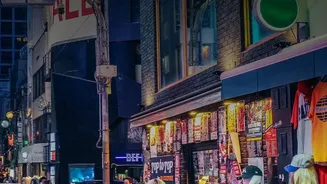
Proving that pedestrian streets can be effortlessly modern, Cat Street in Tokyo offers a more relaxed and stylish alternative to the nearby bustling hubs of Shibuya and Harajuku. This pedestrian friendly lane is a paradise for fashion lovers, known for its eclectic mix of trendy independent boutiques, high end vintage stores, and hip cafes. Unlike the chaotic energy of other famous Tokyo streets, Cat Street has a laid back, creative atmosphere. It has become a destination for those looking to discover the cutting edge of Tokyo's youth culture and street style, demonstrating how a car free environment can foster a unique, trendsetting identity.