





What is a Michelin Key?
For over a century, a Michelin Star has been the ultimate accolade for a restaurant. Now, the Michelin Key does the same for hotels. Introduced globally in 2024, this distinction is awarded by anonymous inspectors who book, pay, and stay just like any
other guest. They evaluate the entire experience based on five criteria: architecture and design, service quality, personality and character, value for money, and the hotel's connection to its location. The ratings come in three tiers: One Key signifies 'a very special stay', Two Keys mark 'an exceptional stay', and the rare Three Keys are reserved for 'an extraordinary stay'—a hotel that is a destination in itself.
The Pinnacle: India’s Three-Key Winners
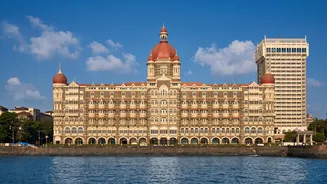
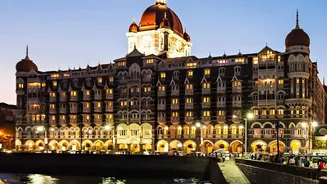
In the 2026 selection, only two Indian hotels achieved the highest honour of Three Michelin Keys: Taj Lake Palace in Udaipur and Taj Falaknuma Palace in Hyderabad. These properties are recognised as among the world's most remarkable experiences, offering unparalleled comfort, service, and elegance. While both are magnificent palace hotels, cementing India's reputation for regal hospitality, the full list of 47 winners reveals a much broader story about modern Indian travel.
Exceptional Stays: The Two-Key List
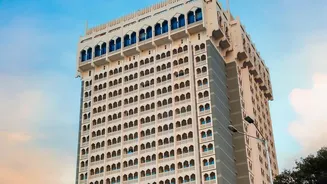
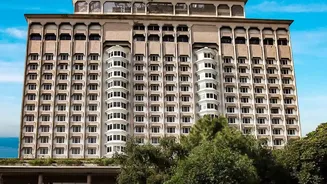
Fifteen properties earned the 'exceptional' Two-Key rating, showcasing a blend of heritage, wilderness, and modern luxury. This list includes opulent city hotels like The Imperial in New Delhi and The Leela Palace, New Delhi. It also features stunning resorts that immerse guests in nature, such as The Oberoi Vindhyavilas Wildlife Resort in Bandhavgarh and SUJÁN's tented camps in Jawai and Sher Bagh. The inclusion of properties like The Kumaon in Almora and Sitara Himalaya in Manali highlights the growing prominence of boutique mountain retreats that offer a strong sense of place alongside impeccable service.
Beyond Grandeur: The Diverse One-Key Winners
The 30 hotels awarded One Key truly prove the headline's point, moving far beyond the palace model. The list celebrates unique, character-filled properties across the country. In Ladakh, the rammed-earth retreat Dolkhar earned a Key for its serene, monastery-like silence. Mharo Khet in Jodhpur was recognised for its innovative farm-stay concept, trading marble lobbies for mustard fields and farm-to-table dining. The list also features design-led city properties like Soho House in Mumbai and The Johri, a boutique gem in Jaipur. These awards confirm that 'luxury' now encompasses authenticity, unique experiences, and personal character just as much as it does sheer opulence.
A New Map for Travellers
The geographical spread of the 47 awarded hotels creates a new, verified map for exploring India. While Rajasthan understandably has a strong showing with its rich heritage, the list extends to destinations like Ladakh, Uttarakhand, Gir, Gwalior, and Varanasi. This recognition not only honours established hotel groups like Taj and Oberoi but also elevates independent, owner-led properties that offer a more intimate and personal vision of hospitality. For travellers, this means more trusted choices, whether they're seeking a wildlife safari, a spiritual retreat, a culinary journey, or a stylish urban getaway.