





A Snapshot of Surging Sales
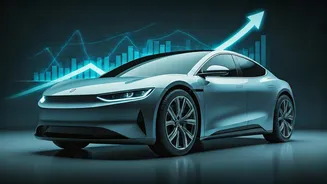
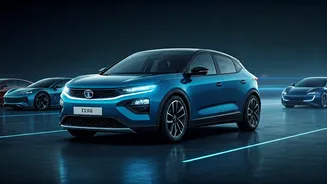
The numbers from the first quarter of the fiscal year 2026-27 paint a clear picture of an industry in high gear. The electric passenger vehicle (PV) market, for instance, nearly doubled its registrations compared to the same period last year. According
to data from the government's Vahan portal, electric PV registrations surged by approximately 90% year-on-year, rising to over 82,000 units in the April-June quarter. This wasn't a one-off spike; the momentum was consistent, with monthly sales figures climbing steadily through the quarter. This robust performance significantly outpaced the growth of the overall passenger vehicle market, indicating that EVs are capturing a larger slice of the pie.
Two-Wheelers Continue to Lead the Charge
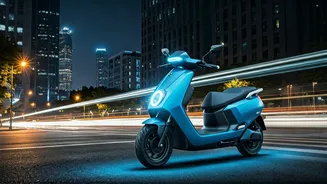
While electric cars are gaining traction, the real volume driver in India's EV story remains the two-wheeler segment. Constituting the majority of all EVs sold, electric scooters and motorcycles are becoming the preferred choice for daily commutes, especially in urban areas. The first quarter saw a significant jump in electric two-wheeler registrations, with sales jumping 34% year-over-year. Market leaders like Ola Electric reported nearly doubling their registrations sequentially in the quarter. This boom is powered by compelling economics; lower running costs compared to petrol scooters, coupled with government incentives, make them an increasingly logical choice for price-sensitive consumers.
New Models and Broader Choices
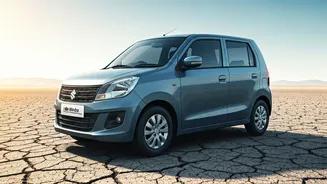
A key reason for the widening demand is the expanding portfolio of options available to consumers. The number of electric car models has doubled in the last two years and is projected to grow even further. Crucially, many new launches are concentrated in the more accessible sub-Rs. 15 lakh segment, bringing EVs within reach of a much broader audience. The entry of mainstream auto giants like Maruti Suzuki with its first electric SUV has been a significant event, signaling to the market that EVs are no longer a niche play. This increased competition, with new players like Vietnam's VinFast also entering the fray, is providing consumers with more choices in terms of price, features, and design.
The Forces Driving Mainstream Adoption
Several factors are converging to push EVs into the mainstream. Government policies and incentives, such as the FAME (Faster Adoption and Manufacturing of Electric Vehicles) scheme, continue to play a crucial role in making EVs more affordable. Simultaneously, rising and volatile fuel prices have made the lower running costs of EVs more attractive than ever. Beyond economics, there's a growing consumer awareness around sustainability and air quality. Technological advancements are also breaking down old barriers. Advancements in battery technology have led to vehicles with longer ranges, directly addressing the 'range anxiety' that once held many buyers back. Premium models now offer ranges of 500-700 km, while even mid-range cars comfortably provide 300-450 km on a single charge.
Challenges on the Road Ahead
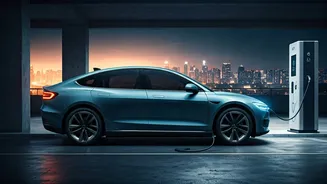
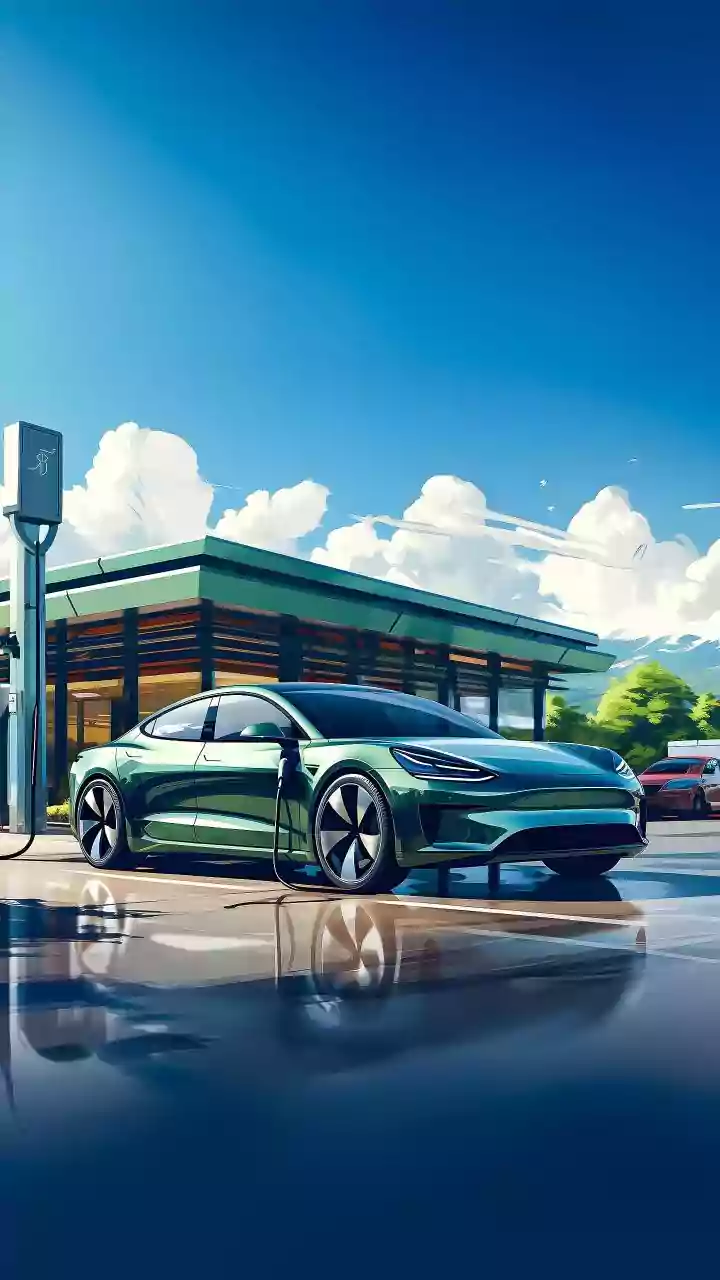
Despite the impressive growth, the journey toward mass electrification is not without its hurdles. The most significant challenge remains the charging infrastructure, which, despite expansion, is still inadequate and unevenly distributed, particularly in Tier-2 and Tier-3 cities. This creates practical difficulties and perpetuates range anxiety for potential buyers. The high upfront cost of EVs compared to their internal combustion engine (ICE) counterparts is another major barrier, although this is gradually being addressed by new, more affordable models and financing options. Furthermore, the industry's heavy reliance on imported components, especially for batteries, exposes it to global supply chain disruptions and price volatility.