





The Magic of Gluten
To understand why alternative flours can be tricky, we first need to appreciate what makes wheat flour the default choice for baking. The secret ingredient is gluten. Gluten is a protein that forms an elastic network when mixed with water. This network is like
a web that traps air bubbles, allowing doughs to rise and giving breads, cakes, and cookies their structure and satisfying chew. Without it, baked goods would struggle to hold their shape, often becoming either dense and heavy or dry and crumbly. Think of it as the scaffolding that holds the entire structure together, providing the bounce in a good loaf and the tender cohesion in a perfect muffin.
The Challenge with Non-Wheat Flours
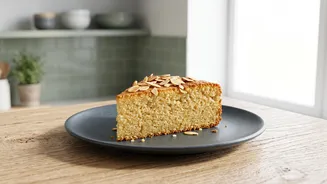
Non-wheat flours—like those made from almonds, coconuts, oats, or rice—do not contain gluten. This means they lack that essential protein network for structure. As a result, you can't simply swap them one-for-one with wheat flour and expect the same outcome. Each non-wheat flour has its own distinct properties. Some, like coconut flour, are incredibly absorbent and will soak up all the liquid in a recipe, leading to a dry, dense result if not balanced with extra moisture. Others, like almond flour, are high in fat and can make baked goods moist but also heavy. Using too much of any single non-wheat flour often overwhelms the recipe, leading to the texture problems that frustrate so many home bakers.
Start by Blending, Not Replacing
The most successful way to start incorporating non-wheat flours for flavour or nutritional benefits is not to replace the wheat flour entirely, but to blend it. A good rule of thumb is to start by substituting just 25% to 30% of the all-purpose flour in your recipe with a non-wheat alternative. For example, if a recipe calls for one cup of flour, use three-quarters of a cup of wheat flour and one-quarter of a cup of almond or oat flour. This approach allows you to retain a significant amount of gluten structure from the wheat flour while introducing the unique flavours and nutritional benefits of the alternative. Some bakers find a 50/50 blend works well for certain recipes, but starting small allows you to see how the new flour affects the final product without risking a complete failure.
Going Completely Gluten-Free
If you need to avoid gluten entirely for dietary reasons, success lies in using a blend of different gluten-free flours and often requires an added binder. A single gluten-free flour, like rice flour, can create a gritty or crumbly texture on its own. By combining flours, you can balance their properties. For instance, you might mix a heartier flour like sorghum or buckwheat with a lighter starch like potato or tapioca starch to mimic the complexity of wheat flour. To replace the binding power of gluten, ingredients like xanthan gum or psyllium husk are essential. These agents help hold moisture and create elasticity, preventing your bake from falling apart. As a general guideline, you might use about half a teaspoon of xanthan gum per cup of gluten-free flour for cakes and cookies, and a full teaspoon for breads.
Tips for Better Texture
Beyond blending flours, a few other tricks can dramatically improve your results. Because many non-wheat flours are very absorbent, you'll often need to increase the liquid ingredients in your recipe. With super-absorbent flours like coconut, you may also need to add extra eggs to provide both moisture and binding. Another helpful tip is to let your batter or dough rest for 5-10 minutes before baking. This gives the alternative flours time to fully hydrate, which leads to a more even texture and prevents a dry, gritty outcome. Finally, don't be afraid to experiment. Baking is a science, but it’s also an art. Finding the perfect blend for your favorite chocolate chip cookies might take a few tries, but the delicious results are well worth the effort.