




The New Number One
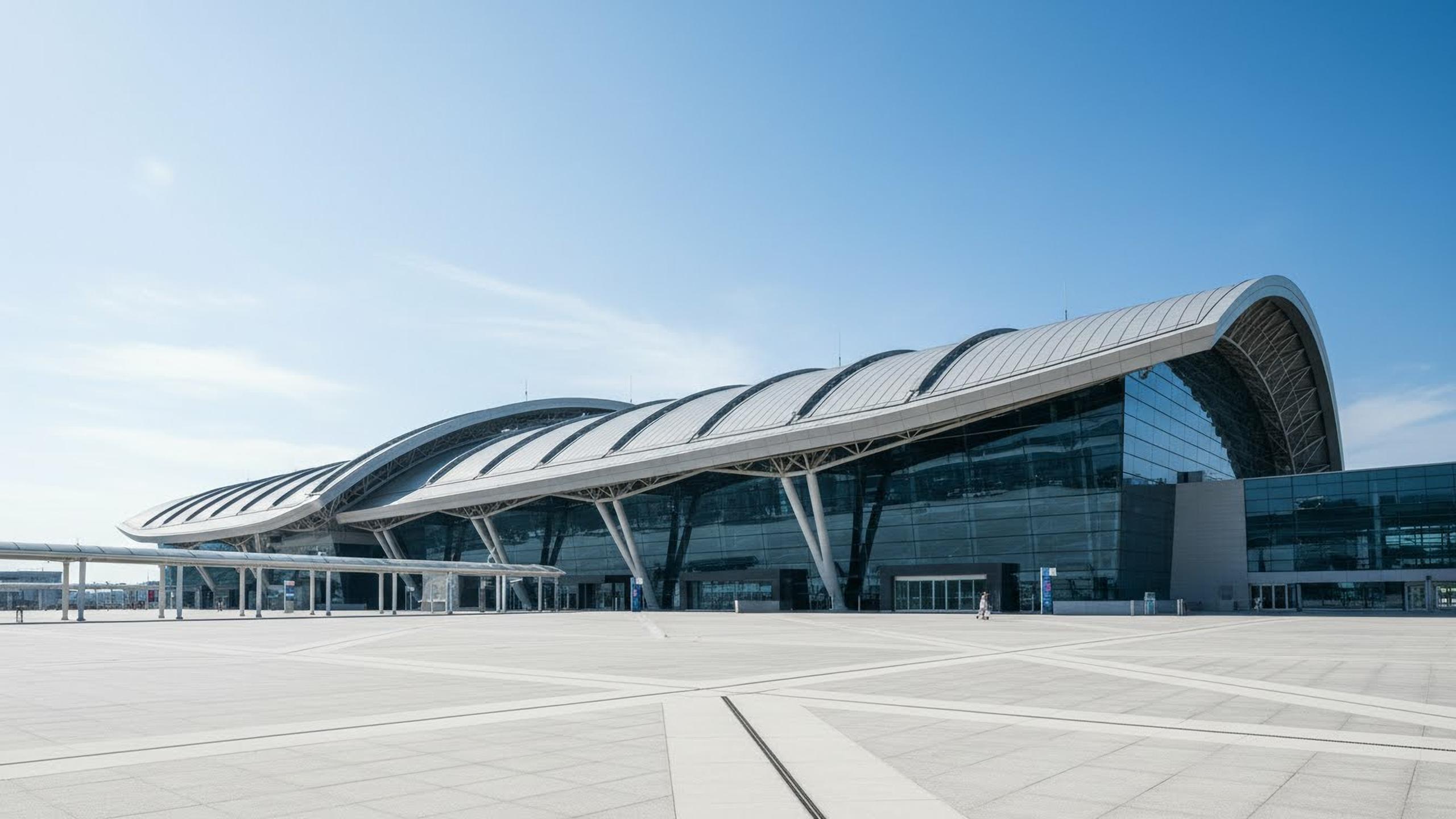
For the first time since it opened in 2001, Incheon International Airport has secured the top spot in global rankings for international passenger traffic. According to preliminary data from Airports Council International (ACI) for the first half of 2026,
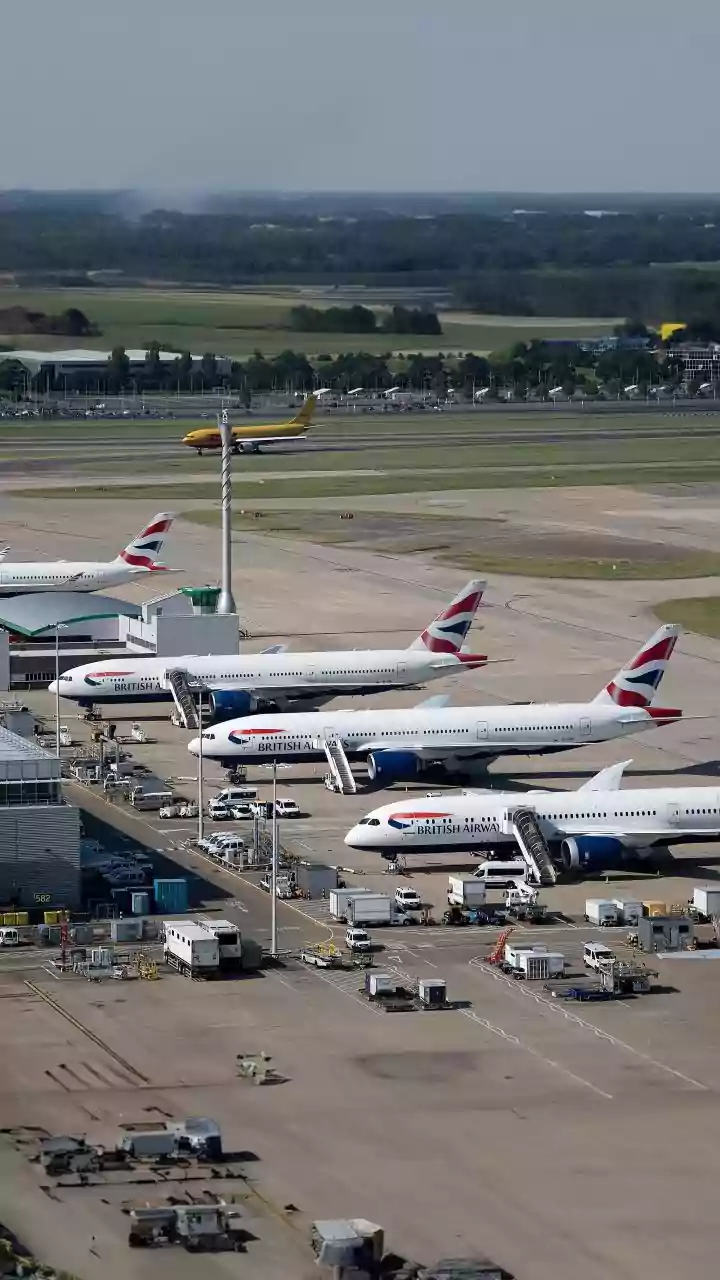
Incheon handled an impressive 38.39 million international passengers. This figure narrowly pushed London Heathrow Airport (37.79 million) into second place, followed by Singapore's Changi Airport (34.53 million). Perhaps most notably, Dubai International Airport, which has long dominated the top of this list, is expected to fall out of the top five entirely. This historic achievement marks a significant shift in the world of global travel, capping a steady climb for Incheon, which ranked third in 2024 and 2025.
A Perfect Storm of Factors
Incheon's rise to the top wasn't accidental; it was driven by a combination of strategic planning and unforeseen geopolitical events. A key factor has been the disruption of flight paths through the Middle East due to regional conflict. This uncertainty caused some airlines and passengers to seek alternative routes for travel between Europe and Asia, diverting traffic away from hubs like Dubai and toward East Asia. As a result, Incheon saw its number of transfer passengers surge by 18.1% compared to the previous year, with transit traffic on European routes skyrocketing by a massive 63.2%. This influx of rerouted travelers provided a significant boost, allowing Incheon to absorb demand that other hubs could not service.
Decades of Smart Investment
While external factors played a role, Incheon's success is built on a foundation of long-term investment and a focus on passenger experience. A recently completed four-phase expansion project, finished in late 2024, increased the airport's annual capacity to a staggering 106 million passengers. This made it the world's third-largest by capacity, ready to handle a major influx of traffic. Furthermore, Incheon boasts a vast and growing network, with 101 airlines flying to 183 cities. Its 158 international passenger routes surpass regional competitors like Hong Kong, Shanghai, and Tokyo's Narita. This robust network was strengthened when major carriers like Delta Airlines chose Incheon as their primary Asian hub.
More Than Just a Transit Hub
Beyond its efficiency as a transfer point, Incheon has benefited from South Korea's growing appeal as a destination in its own right. A significant increase in inbound tourism, particularly from China and Japan, has bolstered passenger numbers. In the second quarter of 2026, foreign nationals accounted for a record 44.4% of all passenger traffic, a sharp increase from previous years. The airport's reputation for world-class service, consistently winning awards for quality, further enhances its appeal. With a government goal of attracting 30 million tourists annually, Incheon is positioning itself not just as a crossroads for the world, but as the primary gateway to a globally influential South Korea.