



The Double-Carb Dilemma
A meal heavy in carbohydrates, especially refined ones, can cause a rapid spike in your blood sugar. Your body releases insulin to manage this surge, but this can often lead to a subsequent crash, leaving you feeling tired and hungry again surprisingly
quickly. This is the familiar cycle of eating a large, carb-focused meal only to find yourself reaching for a snack not long after. It’s not a lack of willpower; it’s a physiological response to how your body processes these foods when they are eaten alone.
Protein: The Satiety Superstar
This is where protein comes in. When you add a source of protein to your meal, it fundamentally changes how your body digests it. Protein slows down the emptying of your stomach and the absorption of glucose into your bloodstream. This leads to a more gradual, stable release of energy instead of a sharp spike and fall. Beyond just slowing digestion, protein also stimulates the release of hormones like PYY and GLP-1, which send signals of fullness to your brain. The result is that you feel satisfied faster and stay full for a much longer period.
Vegetables: The Fibre and Volume Heroes
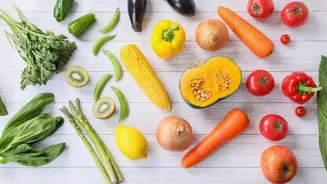
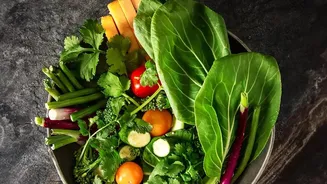
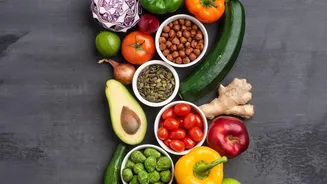
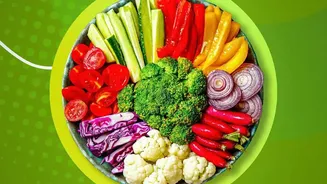
Vegetables play an equally crucial role, primarily through their fibre content. Fibre, particularly soluble fibre found in foods like carrots and beans, forms a gel-like substance in your gut. This process physically slows down digestion and adds bulk to your meal, helping you feel full. Non-starchy vegetables are high in volume but low in calories, meaning you can fill half your plate with them to increase the meal's size and your feeling of fullness without significantly increasing your calorie intake. This combination of bulk and slowed digestion is a powerful tool for managing hunger.
A Plate Makeover: Indian Meal Edition
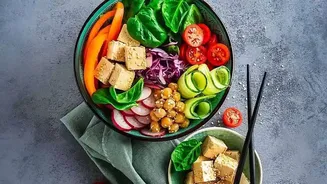
Applying this to a typical Indian meal is simple and doesn't require drastic changes. Think about balancing your plate. A good rule of thumb is to fill half your plate with non-starchy vegetables, a quarter with a protein source, and the final quarter with your carbohydrates. Instead of a meal of just aloo curry with roti, try a smaller portion of the potato, add a bowl of dal or a serving of paneer bhurji, and a generous portion of a mixed vegetable sabzi or a fresh salad. If you're having rice, pair it with rajma or chana masala and a side of spinach or cauliflower. Even a snack can be improved; instead of just toast, have it with an egg or a side of sprouts chaat. The classic dal-rice combination is scientifically brilliant because it pairs a grain with a legume, creating a more complete meal.
Beyond Fullness: The Broader Benefits
The benefits of this balanced approach extend beyond simply feeling full. By preventing sharp blood sugar spikes, you support better metabolic health and reduce your risk of developing conditions like type 2 diabetes. A diet rich in protein helps maintain and build muscle mass, which is crucial for a healthy metabolism. Meanwhile, the fibre from vegetables supports a healthy gut microbiome, which is linked to everything from better digestion to reduced inflammation. You're not just curbing hunger; you're investing in your long-term health with every balanced meal.