
Prioritise Plant-Based Protein
Protein is a powerhouse nutrient when it comes to feeling full. It takes longer to digest than simple carbohydrates, which helps signal satiety to your brain and keeps hunger at bay. A common mistake is building a meal around just vegetables, which can
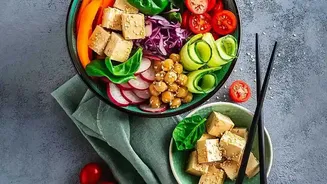
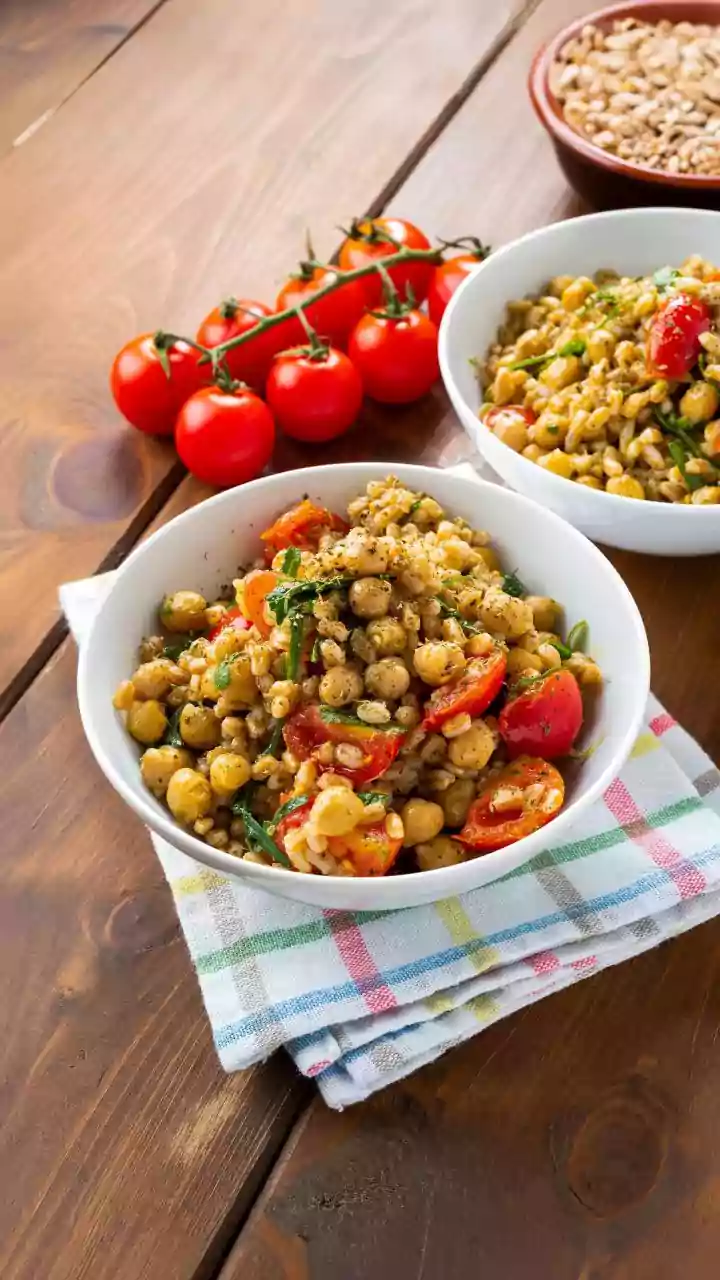
leave you feeling unsatisfied. Instead, make a concentrated source of protein the star of your plate. Excellent vegetarian options include lentils, chickpeas, black beans, and kidney beans, which are also packed with other nutrients. Studies have shown that including pulses like beans and peas can increase the feeling of fullness by over 30%. Tofu, tempeh, and edamame are other fantastic choices derived from soy, which provides all the essential amino acids your body needs. Don't be afraid to be generous with these ingredients; a small sprinkle won't be enough to provide lasting energy.
Fill Up on Fibre
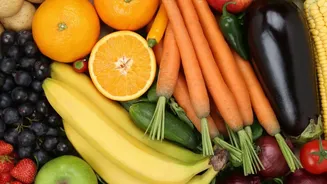
Fibre is another key to a filling meal, and it works in a couple of ways. Soluble fibre dissolves in water to form a gel-like substance in your digestive system, slowing down digestion and making you feel full. Insoluble fibre adds bulk to your meals and helps with regular digestion. Luckily, many high-protein plant foods are also high in fibre. Good sources of soluble fibre include oats, peas, beans, apples, and carrots. For insoluble fibre, turn to whole-wheat flour, nuts, and vegetables like potatoes and green beans. Whole grains like quinoa, brown rice, and spelt are also excellent choices, providing complex carbohydrates that release energy slowly, preventing the quick crash associated with refined grains.
Incorporate Healthy Fats
Fat often gets a bad rap, but healthy, unsaturated fats are crucial for satiety. They slow down the emptying of your stomach, contributing to a prolonged feeling of fullness. Adding sources of healthy fat can make a meal not just more filling, but also more satisfying in terms of flavour and texture. Avocados are a prime example, offering creamy texture and heart-healthy monounsaturated fats. Nuts and seeds like almonds, walnuts, and chia seeds are nutritional powerhouses, delivering fat, protein, and fibre all in one. A handful of walnuts or a sprinkle of chia seeds on your oatmeal can make a significant difference. Using olive oil in your dressings or for roasting vegetables is another simple way to incorporate these beneficial fats.
Build a Balanced Bowl
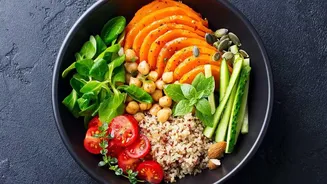
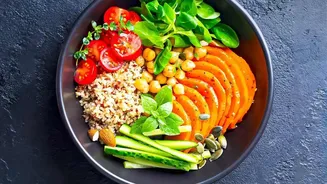
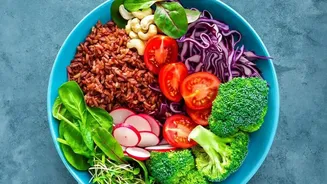
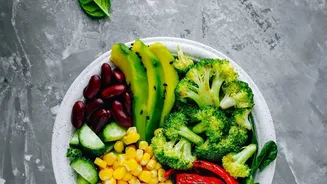
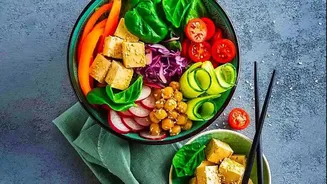
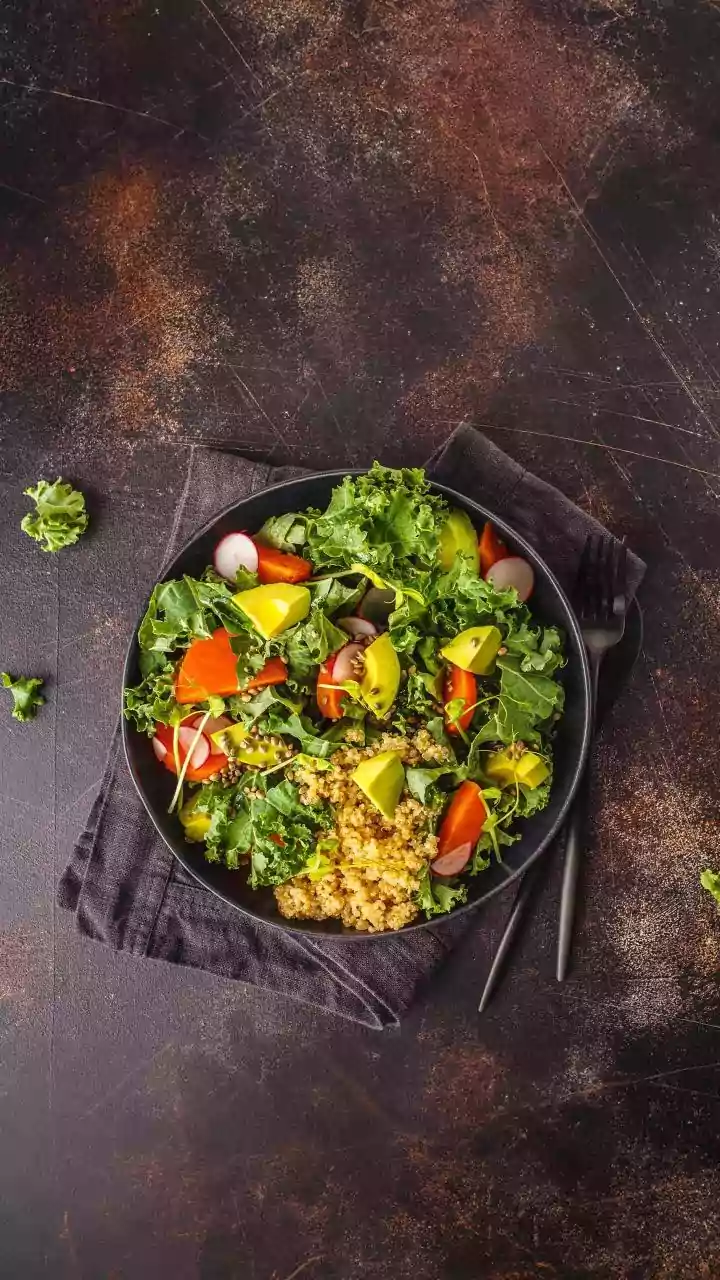
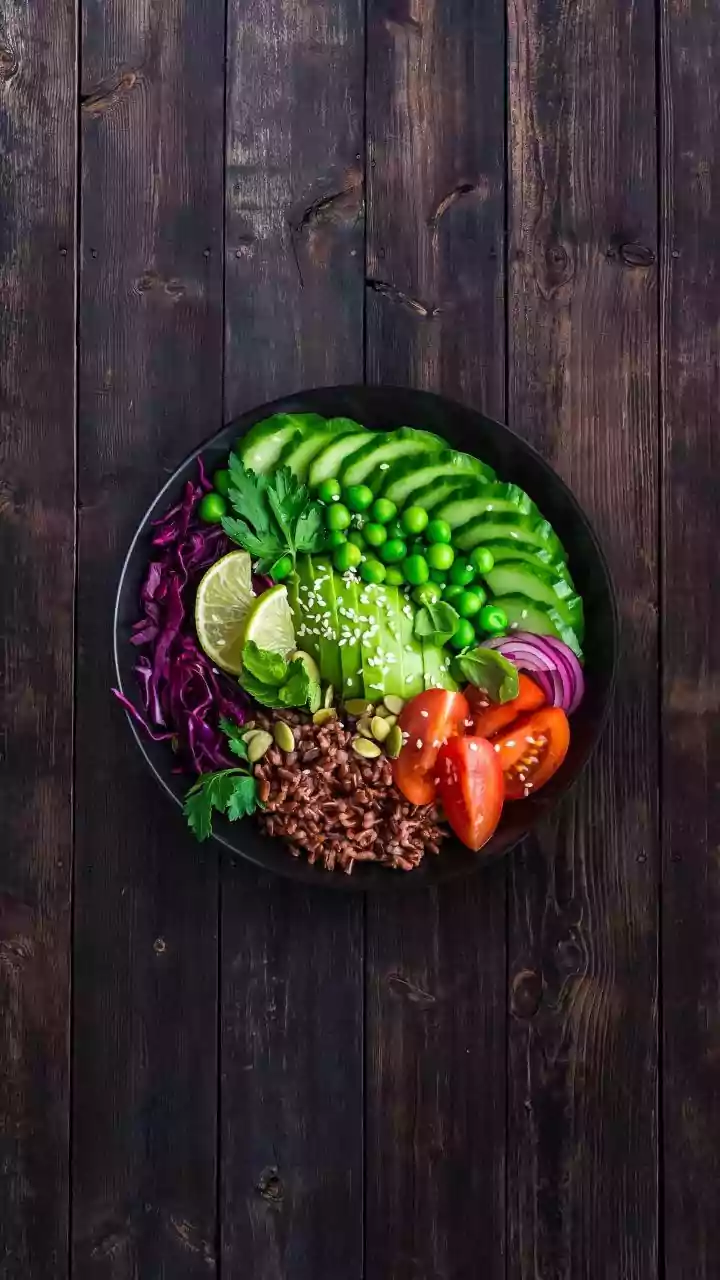
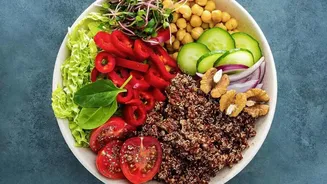
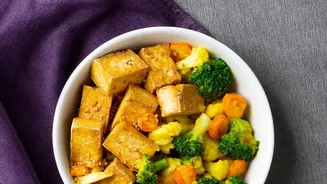
The secret isn't about one single ingredient, but the combination of all three: protein, fibre, and fat. A practical way to ensure your meal is balanced is to build a bowl. Start with a base of high-fibre whole grains or leafy greens. Add a generous portion of a plant-based protein like baked tofu, lentils, or chickpeas. Load it up with a variety of colourful vegetables for added fibre, vitamins, and minerals. Finally, finish with a source of healthy fat, such as a sliced avocado, a handful of toasted seeds, or a dressing made with tahini or olive oil. This approach ensures your meal is nutritionally complete, texturally interesting, and, most importantly, deeply satisfying.
Don't Forget About Satiety from Spuds
It might surprise you, but the humble potato is one of the most filling foods you can eat. According to the satiety index, which ranks foods on their ability to satisfy hunger, boiled potatoes score the highest. They are a great source of complex carbohydrates and also contain resistant starch, a type of starch that resists digestion and functions similarly to fibre. Sweet potatoes are another excellent choice, rich in fibre and vitamins. Including baked or boiled potatoes in your vegetarian meals can provide substantial, long-lasting energy without a high calorie count, proving that simple, whole foods are often the most effective for keeping you full.