



The Alarming Discovery
The Karnataka Food Safety and Drugs Administration Department recently took the drastic step of suspending the food licences of major e-commerce platforms, including Amazon, Swiggy Instamart, and BigBasket. The reason? They were found to be listing and facilitating
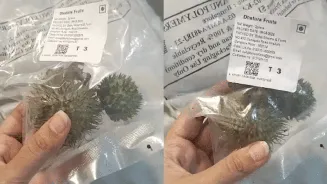
the sale of Datura fruits and seeds for human consumption. During an inquiry, officials discovered that these toxic products were not only available for purchase but were also stored in warehouses and, in some cases, even displayed with FSSAI licence numbers, creating a false sense of security for consumers. This action wasn't sparked by a food delivery mishap but by a proactive investigation into complaints about these dangerous listings. The move has sent shockwaves through the e-commerce industry, highlighting a critical gap in how products are vetted before they reach online marketplaces.
A Beautiful but Dangerous Plant
So, what exactly is Datura? Known commonly as thornapple, jimsonweed, or devil's trumpet, Datura is a plant that is highly poisonous. All parts of the plant, especially its seeds and flowers, contain potent tropane alkaloids like atropine, scopolamine, and hyoscyamine. These chemicals are deliriants, meaning they can severely affect the central nervous system. Ingesting even small amounts can lead to a condition called anticholinergic syndrome. Symptoms can appear within 30 to 60 minutes and include a dry mouth, rapid heartbeat, blurred vision, confusion, agitation, and terrifying hallucinations. In severe cases, it can cause seizures, respiratory failure, coma, and even death. The plant’s historical use in some traditional rituals belies its extreme toxicity, where the line between a therapeutic dose and a fatal one is dangerously thin.
Karnataka's Regulatory Crackdown
In response to the findings, the Karnataka food safety authority ordered the immediate removal of all Datura listings from the platforms. The suspension of the food licences for Amazon, Swiggy Instamart, and BigBasket is a temporary measure, pending a full compliance report. The authorities found the initial responses from the companies to be unsatisfactory. For instance, while BigBasket stated it had stopped the sale and would label future products as "Not for human consumption," the regulator maintained that storing and selling such a toxic item as food is impermissible in the first place. The action has also been extended to the suppliers and sellers who provided these products to the platforms, with their licences and registrations also being suspended. This multi-level crackdown signals a zero-tolerance approach to a clear and present danger to public health.
The Loophole in Your App
This incident exposes a fundamental weakness in the rapid expansion of e-commerce and quick-commerce. While the Food Safety and Standards Authority of India (FSSAI) mandates that any business selling food, including home kitchens and cloud kitchens, must have a valid licence to be listed on platforms like Swiggy and Zomato, the system is not foolproof. The Datura case involved products being sold on grocery and marketplace platforms, where sellers might misclassify items or where oversight may be less stringent than for ready-to-eat food. The fact that some of these poisonous products carried FSSAI numbers raises serious questions about the vetting process. It highlights how sellers can potentially exploit gaps in the system, putting consumers at risk. This isn't just about one toxic plant; it's about the broader issue of ensuring that everything sold for consumption on these platforms is genuinely safe.
How to Protect Yourself
While regulators and companies grapple with these challenges, consumers can take steps to be more vigilant. When ordering groceries or food online, always check the seller's reputation and read reviews from multiple sources. Be wary of unfamiliar sellers or products with sparse descriptions. If a product is meant for consumption, verify that the seller has a clearly displayed FSSAI licence number. However, as this case shows, even a licence number isn't a guarantee. Stick to well-known, trusted brands and established restaurants, especially for ready-to-eat meals. For groceries, particularly items like herbs or exotic produce, if you are unsure what something is, it's best to avoid it. Trust your instincts—if a listing seems suspicious or too good to be true, it probably is. Reporting dubious listings to the platform and to the FSSAI can also help protect other consumers.