





The 'Picnic in the Sky' That Divided the Internet
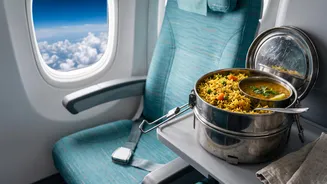
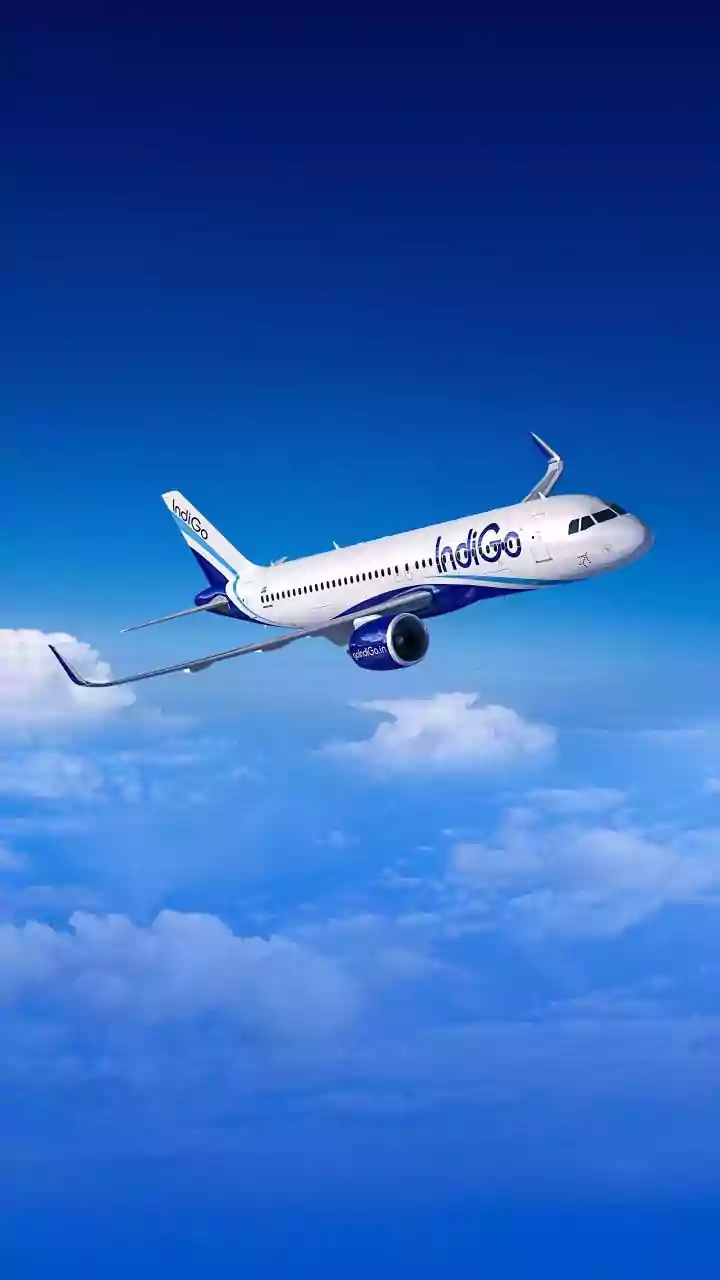
The video, shared widely on social media platform X, showed a large family on an IndiGo flight handing out disposable plates and sharing homemade dishes like parathas and dhokla. Described by some as a "picnic in the sky," the footage quickly polarized
viewers. Many defended the family, pointing out that carrying food from home is a common cultural practice in India and a practical way to avoid expensive airline snacks. Others, however, criticized the act, citing the potential for strong food odors in a confined cabin and the general commotion of serving a large meal as a breach of passenger etiquette. The debate was intense, touching on everything from cultural norms to the basic expectations of sharing a small, enclosed space with hundreds of strangers.
More Than Just a Meal
The controversy is about more than just one family's lunch. It’s a reflection of the increasing tension aboard commercial flights. As airlines shrink seat sizes and charge extra for basic amenities, the cabin environment has become a pressure cooker of conflicting needs. Every action, from reclining a seat to choosing a snack, can feel like an infringement on someone else's tiny sliver of personal space. The food debate is particularly potent because smell is an invasive sense. Previous incidents, like a passenger bringing two dozen hard-boiled eggs and steamed broccoli on a 16-hour flight, have similarly drawn outrage. While airlines rarely have explicit rules banning pungent foods, etiquette experts generally advise against bringing anything with a strong aroma onboard.
The Unwritten Rules of Flying
This incident highlights the vast grey area of in-flight conduct, governed by unwritten social contracts that are often interpreted differently. What one person sees as normal and harmless, another may view as rude and inconsiderate. This applies to more than just food. The perennial debates over seat reclining (especially during meal service), who gets the middle armrest, and proper use of overhead bin space are all part of the same struggle. A recent survey showed that a majority of travelers feel passenger behavior is getting worse, suggesting a growing frustration with the lack of shared courtesy. While some things, like using headphones for audio, are becoming codified rules on certain airlines, most behaviors remain in the realm of polite suggestion.
Culture, Cost, and Courtesy
A key dimension of the debate surrounding the IndiGo flight involves cultural context versus universal travel norms. For many who defended the family, sharing homemade food is an integral part of community and travel. They argue that as long as the family cleaned up after themselves, no harm was done. This clashes with a more Western-centric view of air travel, which often prioritizes individual space and minimal disturbance. Furthermore, the rising cost of airline food makes bringing your own a necessity for many travelers. The core of the issue becomes: where does personal and cultural freedom end, and the collective comfort of the cabin begin? There's no easy answer, and what is considered a fragrant, delicious meal to one person can be an overpowering smell to another.
The Rise of Passenger Shaming
The fact that this incident was filmed and broadcast to millions is a phenomenon in itself. The rise of social media accounts dedicated to "passenger shaming" has turned private disputes into public spectacles. While this can create pressure to behave better, it also adds a layer of surveillance and judgment to an already stressful travel experience. The family on the IndiGo flight, and an elderly couple who also went viral for eating parathas from a steel plate, were thrust into the spotlight without their consent. Instead of a quiet conversation or a request from a flight attendant, disagreements are now often tried in the court of public opinion, where nuance is frequently lost. Reports even circulated, though unconfirmed, that the family was blacklisted by the airline due to the online backlash.