

The frustration of a canceled flight is a familiar feeling, but when an entire nation’s air traffic grinds to a halt, it signals a deeper problem. A recent system-wide failure exposed the growing fragility of the U.S. aviation network.
What Just Happened?
On Friday, November
13, 2026, the Federal Aviation Administration (FAA) issued a nationwide ground stop for all departing flights, an exceptionally rare event that lasted for more than four hours. The disruption led to thousands of cancellations and delays, stranding passengers across the country and creating a ripple effect that lasted for days. In the immediate aftermath, more than 12,000 flights were canceled. Officials quickly ruled out a cyberattack, instead pointing to a telecommunications failure within the air traffic control system. The trigger, they said, was an overload caused by a contractor upgrading old copper wiring to fiber optic cable at a remote facility. This routine maintenance on an aging system accidentally brought the entire network to its knees.
A System of Aging Technology
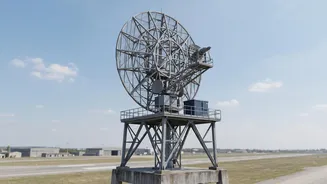
The incident has become a potent symbol of a long-simmering problem: America’s air traffic control system is running on decades-old technology. Much of the underlying infrastructure, from radar to communications systems, is a patchwork of legacy equipment. For years, the FAA has been working on a massive modernization program called the Next Generation Air Transportation System, or 'NextGen'. This multi-billion dollar project, which began in the 2000s, aims to replace ground-based radar with satellite-based GPS technology, promising greater efficiency and safety. However, the rollout has been plagued by delays, budget overruns, and scaled-back goals. Government watchdog reports have criticized the project for lacking a clear master schedule and for prioritizing speed over stability, warning that a rushed approach could cause the very disruptions it’s meant to prevent.
The Human Factor: A Staffing Crisis
Technology isn't the only point of failure. The system is also under immense strain from a chronic shortage of critical personnel, particularly air traffic controllers. Many key facilities are significantly understaffed, forcing existing controllers to work mandatory overtime and six-day weeks to manage the skies safely. According to the controllers' union, this leads to fatigue and burnout, which can compromise safety and efficiency. The pipeline for new controllers is slow, hampered by pauses in training during past government shutdowns and the pandemic. This human infrastructure is just as critical as the technical hardware; without enough trained professionals to manage the system, its capacity shrinks, leading to more frequent delays even when the technology is working perfectly.
The Blame Game and the Path Forward
Following the November shutdown, the debate over who is responsible and how to fix the system intensified. The U.S. Transportation Secretary pointed to the need for more congressional funding to accelerate the overhaul, requesting tens of billions of dollars. Airlines, while struggling to manage the immediate fallout, are part of a complex ecosystem where private investment in onboard technology must align with the government's ground infrastructure upgrades. Critics argue that simply throwing money at the problem isn't enough without better planning and management of the modernization efforts. The core of the debate is about resilience—the ability of the system to absorb shocks without collapsing. Experts argue that building a more robust network requires not just new technology and more staff, but also better coordination, backup systems that were never built, and a realistic, well-managed plan to get there.