






Where The Sun Shines First
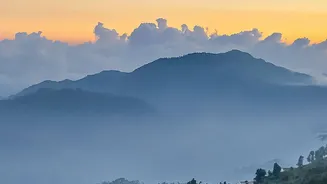
Tucked away in the Anjaw district, Dong Valley holds the distinction of being the easternmost inhabited region of India. Perched at an altitude of 1,240 metres, this valley, near the tri-junction of India, China, and Myanmar, is the first place in the country
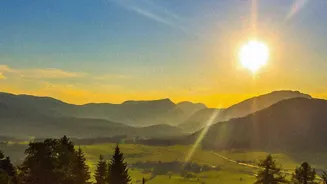
to be bathed in morning light. The phenomenon occurs because of its unique geographical location, making it a bucket-list destination for those looking to witness the nation's very first sunrise. The nearby village of Kaho, situated on the banks of the Lohit River, also lays claim to this early dawn, offering spectacular views. The spectacle became widely known around the turn of the millennium, when visitors travelled here to see the first sunrise of the year 2000.
The Journey Is The Destination
Reaching the sunrise viewpoint is an adventure in itself. The journey begins long before dawn, typically with a departure around 2 a.m. from the nearby town of Walong, which serves as a base for most visitors. After a short drive, travellers embark on a trek that can last between 45 to 90 minutes. The trail climbs through fragrant pine forests and across meadows, often in complete darkness guided only by torchlight. This pre-dawn hike is a significant part of the experience, building anticipation for the main event. The nearest major airport is in Dibrugarh, Assam, from where it takes two full driving days to reach the region, highlighting its remoteness.
More Than Just A Sunrise
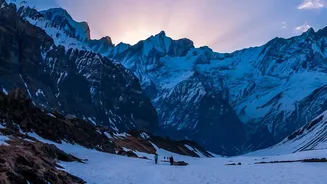
While the sunrise is the main draw, the experience is enriched by the valley's profound tranquility and cultural depth. As the sun emerges, it illuminates a breathtaking panorama of snow-capped peaks, forested slopes, and the confluence of the Lohit and Sati rivers. The region is home to the Meyor tribe, a small and resilient community with a unique cultural heritage. Visitors often stay in local homestays in Walong, offering a chance to experience their warm hospitality and traditional way of life. The area is also historically significant, with memorials dedicated to the 1962 Sino-Indian War. This blend of natural beauty, living culture, and history makes a trip to Dong Valley a multi-layered experience.
A Growing Spotlight And Sustainable Tourism
Once an obscure secret, Dong Valley's reputation has grown through word-of-mouth and social media, turning it into a sought-after destination for trekkers and nature lovers. This growing popularity presents both opportunities and challenges. While tourism can provide a valuable source of income for the local Meyor community, there is a pressing need to manage it sustainably. The facilities at the viewpoint itself are minimal, preserving the natural state of the landscape. Visitors are encouraged to respect the local culture, be mindful of their environmental impact, and hire local guides, ensuring that the benefits of tourism are shared with the community. This responsible approach is key to protecting the serene character of this frontier land for generations to come.
Planning Your Expedition
A trip to this remote corner requires careful planning. The best time to visit is from October to November and from March to May, when the weather is pleasant and the skies are generally clear. All Indian tourists require an Inner Line Permit (ILP) to enter Arunachal Pradesh. Accommodation is primarily available in Walong, with options ranging from government guesthouses to private homestays. The last ATM and fuel station are located several hours away in Hayuliang, so it's essential to carry enough cash and fuel up your vehicle. The pre-dawn trek requires a moderate level of fitness, and it is mandatory to hire a local guide, who can be arranged in Dong village.