


Fortify the Foundation: The Crust
The most unconventional—and effective—way to boost protein is to build it directly into the crust. Traditional pizza dough is primarily flour and water, but a few simple swaps can change its nutritional profile significantly. One popular method involves
replacing some of the liquid or flour with high-protein ingredients. Greek yogurt and cottage cheese are two standout options. A simple dough can be made with just self-rising flour and plain Greek yogurt; the yogurt adds protein and moisture, creating a soft, chewy crust without the need for yeast or long proving times. For an even bigger protein punch, blended cottage cheese can be mixed with flour and baking powder. It sounds unusual, but when blended until smooth, cottage cheese creates a moist, savory dough that bakes up beautifully. For those looking to experiment further, adding a scoop of unflavored whey or vegan protein powder to your dry ingredients can also increase the protein content, though you may need to add extra liquid to keep the dough from becoming too dry.
Rethink the Sauce
While tomato sauce is classic, a creamy white sauce can serve as another vehicle for protein. Instead of a heavy, cream-based Alfredo, consider a lighter, protein-rich alternative. Blended cottage cheese, a hero ingredient from the crust section, can be seasoned with garlic, herbs, and a little salt to create a delicious and protein-dense sauce. Similarly, a base made from blended cashews or Greek yogurt can provide a creamy texture along with added nutrients. Another creative approach is to use pureed legumes. A sauce made from blended cannellini beans or even a savory, seasoned lentil puree can add an earthy flavor and a significant amount of plant-based protein and fiber, making the pizza more filling and nutritious. You could also opt for a taco-style pizza and use a chipotle crema made with a sour cream or Greek yogurt base for a smoky kick.
Toppings Beyond the Obvious
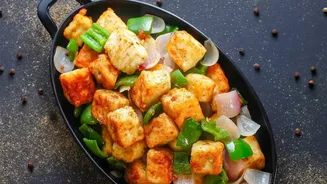
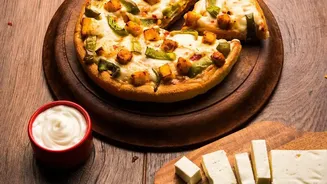
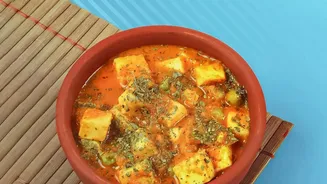
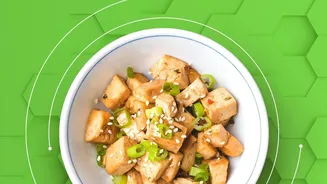
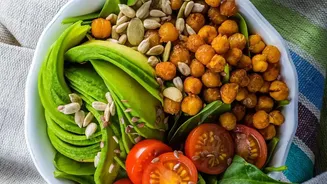
Toppings are the easiest place to add protein, but you can think beyond the standard cured meats. While pepperoni and sausage are classics, lean proteins offer a healthier punch. Grilled, shredded chicken breast is a fantastic, low-fat option that pairs well with almost any flavor profile. Ground turkey or lean ground beef can also be pre-cooked and crumbled over the top for a satisfying, meaty bite. Don't overlook seafood; shrimp is a quick-cooking, high-protein topping that works wonderfully with garlic and herb sauces. For vegetarians, the options are plentiful. A fried or baked egg placed in the center of the pizza is a classic Italian tradition that adds richness and protein. Crumbled firm tofu or paneer cubes can be marinated in spices before being scattered on top. Even legumes like chickpeas or black beans, especially when roasted until slightly crispy, can add a surprising and delightful texture and a major protein boost.
Putting It All Together
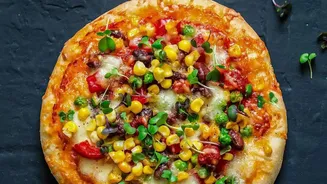
The beauty of these methods is that they can be combined for a truly high-protein pizza experience. Imagine a crust made with Greek yogurt, topped with a savory blended cottage cheese white sauce, grilled chicken, and a sprinkle of sautéed spinach and mushrooms. A single serving of such a pizza could easily deliver a significant portion of your daily protein needs. Another combination could be a chickpea flour crust, a traditional tomato sauce, and toppings like crumbled feta, artichoke hearts, and kalamata olives for a Mediterranean-inspired, protein-rich meal. The key is to see the pizza not as a single entity but as three distinct opportunities—crust, sauce, and toppings—to build a more nutritious and satisfying meal without sacrificing the fun and flavor that make pizza a universal favorite.