



The Magic of Millets
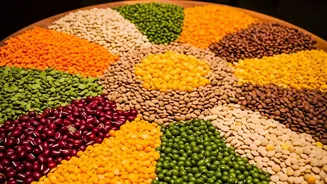
Millets, ancient grains that are making a huge comeback in Indian kitchens, are a perfect example of versatility. Varieties like jowar (sorghum), bajra (pearl millet), and ragi (finger millet) are nutritional powerhouses, packed with fibre and protein.
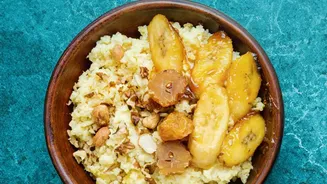
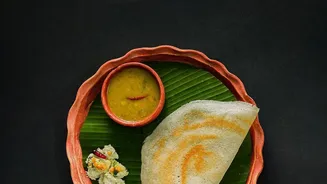
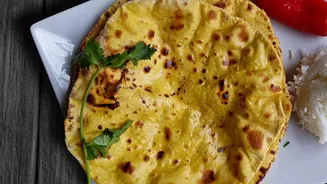
For a simple, hearty breakfast, millets can be cooked into a porridge, similar to dalia. Simply crack the grains and simmer them with water or milk and a pinch of salt. For a savoury twist, temper with mustard seeds and curry leaves. But their use doesn't stop there. Ground into flour, millets can create wonderful flatbreads like jowar bhakri or bajra rotla. This same flour can also form the base of a dosa or pancake batter. By soaking millet flour with a bit of yogurt or water, you create a batter that can be pan-fried into delicious, gluten-free pancakes, perfect for a healthy meal any time of day.
Wonderful Whole Wheat
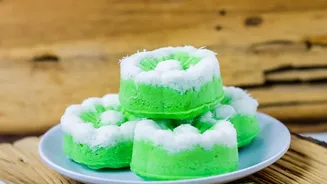
Whole wheat is perhaps the most common grain in Indian households, primarily for making rotis and chapatis. However, its utility extends far beyond flatbreads. Cracked wheat, known as dalia or lapsi, makes a nourishing and easily digestible porridge, often enjoyed sweet with jaggery or savoury with vegetables. Whole wheat flour (atta) can also be used to make pancakes, offering a nuttier, more fibrous alternative to those made with refined flour. But one of its most interesting applications is in steamed cakes. Traditional recipes like Gujarati muthia use a mix of flours, including whole wheat, to create savoury steamed dumplings. For a sweet treat, a simple steamed cake can be made using whole wheat flour, jaggery, and coconut, resulting in a moist, wholesome snack that pairs perfectly with tea. This method of steaming preserves moisture and creates a wonderfully soft texture without the need for an oven.
Oats Beyond the Breakfast Bowl
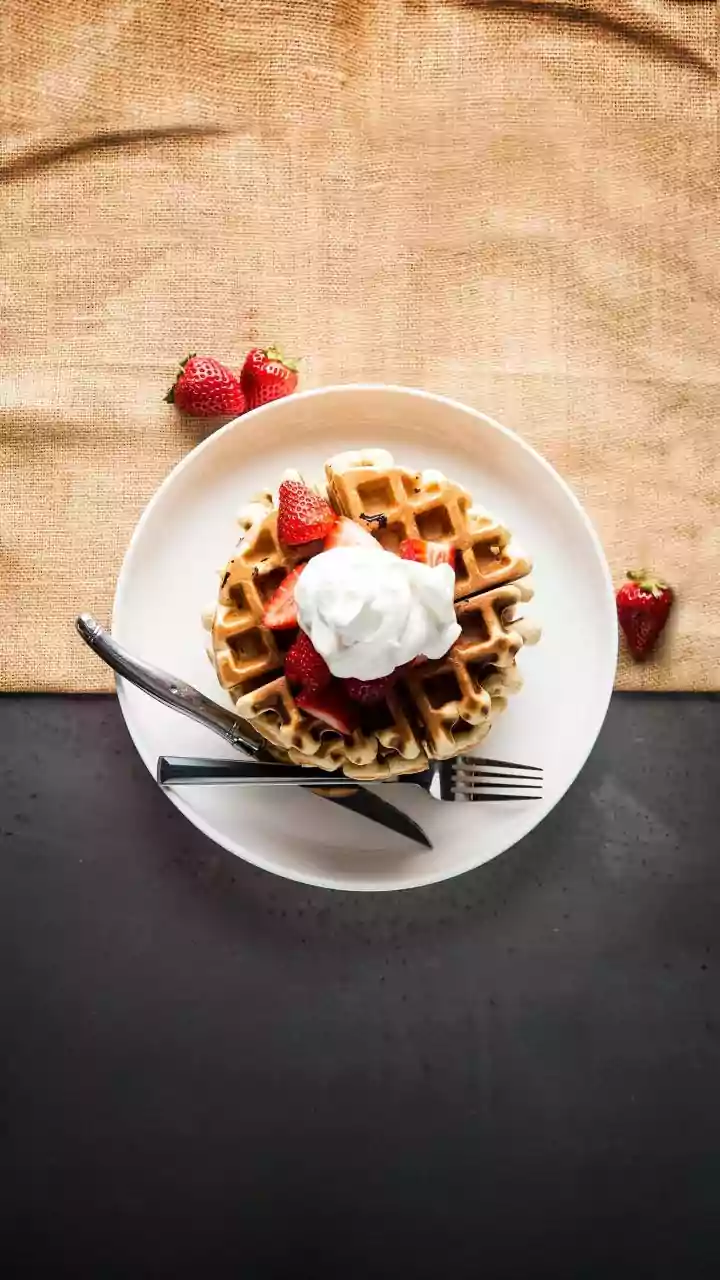
Oats are globally recognized for making excellent porridge, but their potential is far greater. While a warm bowl of oatmeal is a fantastic start to the day, oats can be easily transformed for other meals. Grinding rolled oats into a fine powder creates oat flour, a brilliant base for pancakes. These pancakes have a tender, slightly chewy texture and a creamy taste. You can add leftover cooked oatmeal directly into pancake batter to add moisture and a unique texture that some describe as a 'porridge pancake'. Furthermore, both rolled oats and oat flour can be incorporated into bread recipes. Adding cooked oatmeal to bread dough results in a soft, moist loaf with a hearty, whole-grain character. This makes oats a surprisingly adaptable ingredient, capable of shifting from a breakfast porridge to a key component of your lunch or dinner.
The Simple Science of Transformation
How does one grain yield such different results? The secret lies in a few simple processes: grinding, soaking, fermenting, and cooking method. Grinding whole grains into flour breaks them down, creating a base for breads, cakes, and pancakes. The coarseness of the grind matters—a coarse meal is great for porridge, while a fine flour is needed for lighter textures. Soaking grains before cooking, as is often done for dosas or certain porridges, softens them and makes their nutrients more available. Fermentation, achieved by letting a batter rest for several hours, introduces air and complex flavours, which is key for fluffy dosas and certain steamed cakes. Finally, the cooking method is crucial. Simmering with excess liquid creates porridge. Pan-frying a wet batter gives you a pancake. Baking or steaming a thicker dough or batter results in bread or cake. By mastering these basic techniques, you can unlock the full potential of any grain in your pantry.