






The Atmosphere's Shifting Waterways
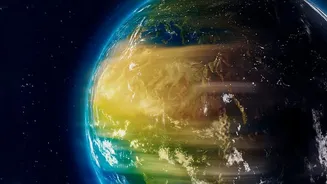
Think of the atmosphere as having invisible rivers. These are not made of water in the liquid sense, but are vast, narrow bands of concentrated water vapour that transport moisture from the warm tropics toward the poles. Scientists call them "atmospheric
rivers," and they are responsible for a significant portion of the rain and snow that falls in many parts of the world. Now, new research shows that these atmospheric rivers are getting longer, wider, and carrying more water than ever before. This means the 'boundaries' that once defined rainy and dry zones are becoming blurred and are actively shifting. The result is a global redistribution of freshwater, with some places getting drenched while others are left increasingly dry.
The Science: A Warmer World Holds More Moisture
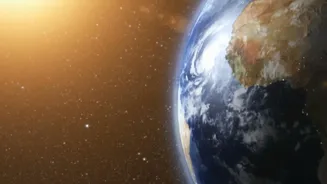
The engine driving this change is basic physics. For every 1°C increase in global temperature, the atmosphere's capacity to hold water vapour increases by about 7%. As human activities continue to warm the planet, the air becomes thirstier, soaking up more moisture from the oceans. This supercharged air, laden with extra water vapour, is then transported by global wind patterns. Because there is more moisture to begin with, it can travel longer distances before it cools, condenses, and falls as precipitation. This extended travel time is the key reason why rainfall is beginning to appear in unexpected places, and with greater intensity.
India's Monsoon in a New, Unpredictable Era
For India, a country whose agriculture and economy are deeply intertwined with the annual monsoon, these changes are profoundly significant. The monsoon is no longer just about getting enough rain; it's about when, where, and how it arrives. Climate change is making the monsoon more erratic and volatile. Studies suggest India could face more extremely wet years, but the rain may not be distributed evenly. We are already seeing this play out, with some regions experiencing devastating floods while others, sometimes in the same season, grapple with severe drought-like conditions. This unpredictability poses a massive challenge for farmers, water managers, and policymakers.
The Dual Threat of Floods and Droughts
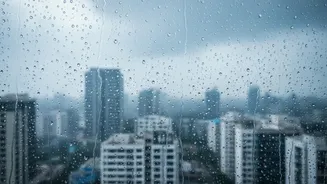
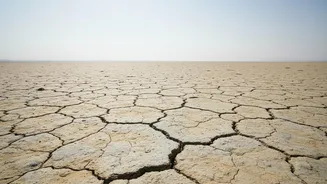
The phenomenon of moisture traveling further creates a double-edged sword. On one hand, when these super-moist atmospheric rivers finally make landfall, they can dump huge amounts of rain in a short period, overwhelming infrastructure and leading to catastrophic flooding. This is the 'it never rains but it pours' effect of climate change. On the other hand, regions that were historically on the path of these moisture-laden systems may now be bypassed, as the rain travels further afield. This can initiate or worsen droughts, straining water supplies and threatening ecosystems that depend on reliable rainfall. The result is a planet facing more extreme swings between wet and dry conditions.
Adapting to a Wetter and Drier Future
Understanding that our rainfall patterns are fundamentally changing is the first step toward preparing for the future. The historical weather data our infrastructure was built on is quickly becoming outdated. Governments and communities must now plan for a climate where both unprecedented floods and prolonged droughts are more common. This means investing in climate-resilient infrastructure, such as improved flood defences and more sophisticated water storage and management systems. Better forecasting models that can predict the movement of these atmospheric rivers are crucial for giving communities time to prepare. For India, this means rethinking everything from urban planning to agricultural practices to ensure water security in this new climate reality.