



What Are These Codes Anyway?
Those three or four-digit numbers you see on ingredient lists are part of the International Numbering System (INS) for food additives. This system was created by a joint body of the WHO and FAO to create a global standard, ensuring 'citric acid' is identifiable
by the same code worldwide. In India, the Food Safety and Standards Authority of India (FSSAI) uses this INS system to regulate which additives are permitted in our food. You might also see 'E-numbers' on imported products; these are used in the European Union and often correspond directly to INS numbers (e.g., INS 330 is the same as E330). These codes aren't a secret warning; they're simply a shorthand for what can be a long chemical name.
Why Are Additives Used in Food?
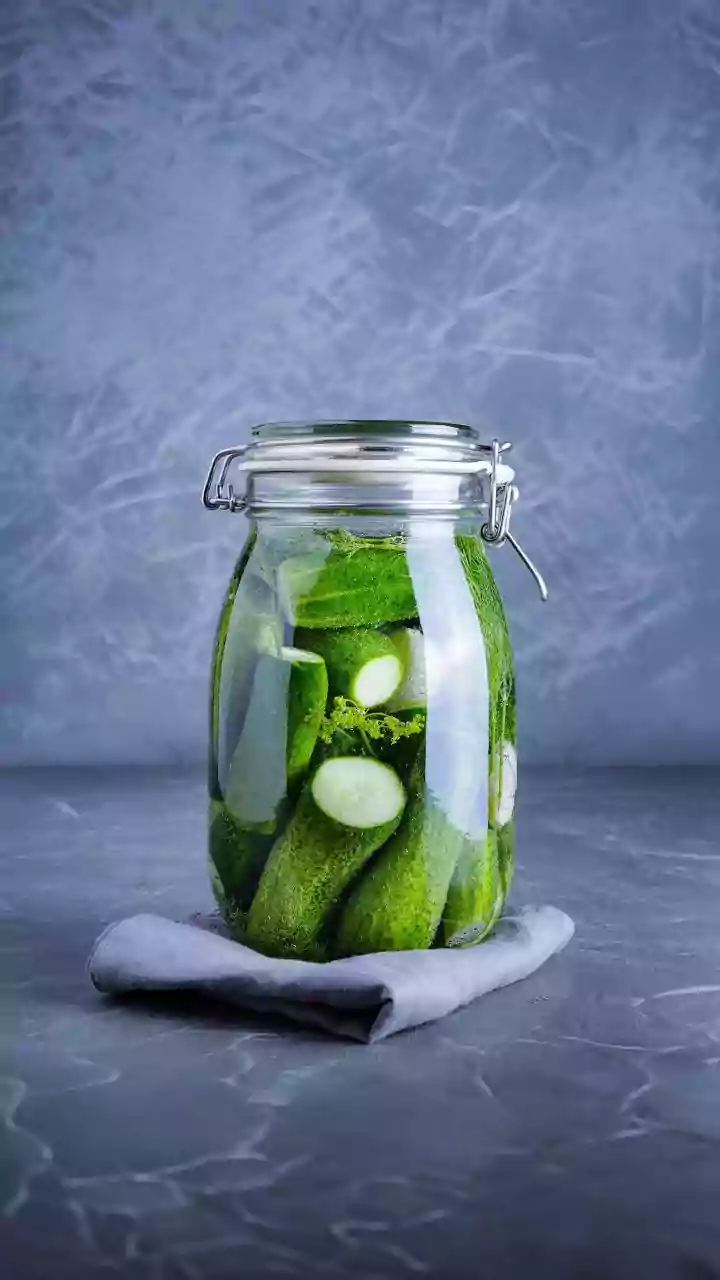
Food additives perform specific jobs that make our food supply safer, more consistent, and more convenient. They aren't just thrown in randomly. FSSAI requires that they be used for a clear technological purpose and at the minimum level required. Their functions fall into several key categories: to preserve food and extend shelf life by preventing spoilage from mould or bacteria; to improve texture and consistency, like stopping ingredients from separating; and to enhance or maintain appearance and flavour with colours, sweeteners, or enhancers. Think of the salt used to preserve pickles or the sugar in jam—these are traditional additives we've used for centuries.
Decoding Common Additive Groups
The first digit of an INS number can give you a clue about its function. Here’s a simple breakdown of the most common categories you'll find on Indian food labels: Colours (100-199): These are used to restore colour lost during processing or to make food look more appealing. Examples include Tartrazine (INS 102), a lemon-yellow colour, and Sunset Yellow FCF (INS 110), an orange-yellow shade often found in drinks and snacks. Preservatives (200-299): This group slows down spoilage. Sodium Benzoate (INS 211) is a common preservative in soft drinks and pickles, while Sorbic Acid (INS 200) is used in products like cheese and baked goods. Antioxidants & Acidity Regulators (300-399): These prevent fats from going rancid and help maintain a stable pH balance. This group includes familiar substances like Ascorbic Acid (INS 300), which is just Vitamin C, and Citric Acid (INS 330), naturally found in lemons. Thickeners, Stabilisers & Emulsifiers (400-499): These additives are all about texture. They give products a consistent feel, prevent ingredients like oil and water from separating, and create thickness in sauces and jellies. * Flavour Enhancers (600-699): As the name suggests, these are used to intensify the existing taste of food. The most well-known example is Monosodium Glutamate, or MSG (INS 621).
Are Food Additives Safe?
This is the big question for many consumers. In India, FSSAI is responsible for ensuring the safety of our food supply. For an additive to be approved, it must go through rigorous testing. FSSAI sets a maximum permitted level for each additive in specific food categories, ensuring that even with regular consumption, the intake remains well below what is considered harmful. It's also important to distinguish between legally permitted additives and illegal adulterants, like certain banned dyes sometimes found in spices, which are a serious safety violation. While the vast majority of people can consume approved additives without issue, some individuals may have sensitivities to specific substances, such as certain artificial colours or MSG. If you have a diagnosed sensitivity, reading labels becomes even more important.