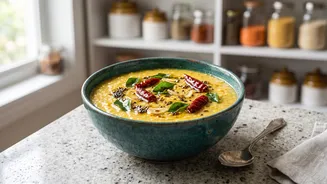



In the vast world of Indian cuisine, few ingredients are as humble yet transformative as moong dal. But beyond the comforting bowl of dal tadka lies its true secret weapon: a savoury, spiced stuffing that elevates countless snacks and meals.
The Humble Hero of Fillings
Moong dal,
or split and skinned green gram, is a powerhouse of nutrition and culinary potential. It is celebrated for being light, easy to digest, and packed with plant-based protein. A 100-gram serving of cooked moong dal provides around 7 grams of protein and is low in carbs, making it a healthy choice. These very qualities make it an ideal candidate for a stuffing. When soaked, ground, and spiced, it transforms into a filling that is both flavourful and substantial without being overly heavy. Unlike potato or paneer fillings, moong dal stuffing offers a unique, slightly coarse, and dry texture that holds up brilliantly inside fried or baked pastries, providing a delightful contrast to the outer casing.
Crafting the Perfect Stuffing
The magic of moong dal stuffing lies in its simple yet aromatic preparation. The process typically begins by soaking yellow moong dal for a few hours. After draining, the dal is ground into a coarse paste—it's crucial not to over-grind it to retain some texture. This paste is then sautéed in a pan with a little ghee or oil. A symphony of spices is introduced at this stage. Common additions include crushed fennel seeds, cumin, coriander powder, amchur (dry mango powder) for a tangy kick, asafoetida (hing), and red chilli powder for heat. Some recipes also incorporate besan (gram flour) which is roasted with the spices to add a nutty flavour and help absorb any excess moisture, ensuring the filling is perfectly dry for stuffing. The mixture is cooked until it becomes aromatic and the raw taste of the dal disappears.
Starring in Street-Style Snacks
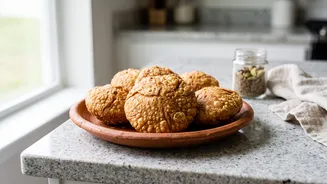
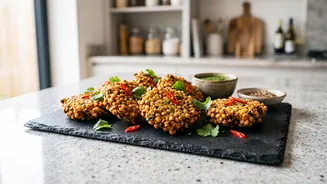
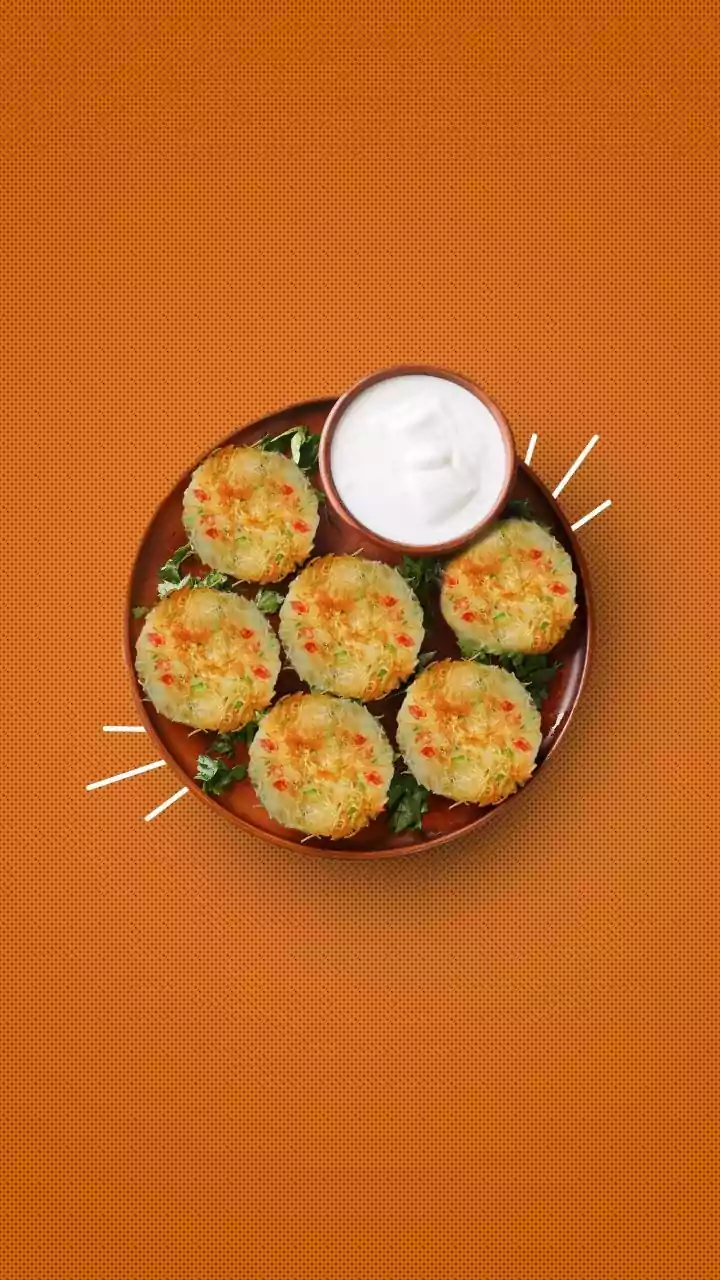
When you think of moong dal stuffing, the first thing that often comes to mind is the iconic street food snack, Khasta Kachori. This flaky, deep-fried pastry owes its signature taste and texture to the savoury moong dal filling nestled inside. The spicy, tangy dal mixture provides the perfect counterpoint to the rich, crisp outer layer. But its role in street food doesn't end there. In some regions, a similar stuffing is used to fill samosas, offering a delicious alternative to the common potato filling. It's also found in other fried delights like moong dal stuffed aloo tikkis, where the lentil filling adds an extra layer of flavour and a protein boost to the potato cutlets.
Beyond the Fryer: Wholesome Applications
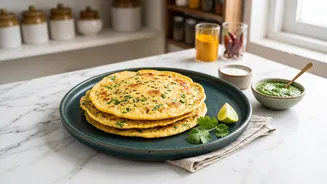
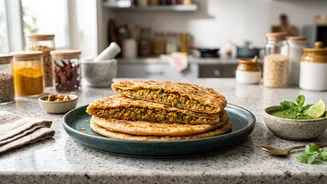
While moong dal stuffing is a star in the world of fried snacks, its versatility extends to healthier, everyday preparations. It makes a fantastic, protein-rich filling for parathas. These stuffed flatbreads are a wholesome breakfast or lunch option, perfect when served with a side of yogurt and pickle. The dal stuffing ensures the paratha is satisfying and keeps you full for longer. Another popular application is in Moong Dal Chilla, a savoury pancake popular in North India. While some chillas are plain, others are filled with a mixture of crumbled paneer, vegetables, and sometimes a light moong dal stuffing to create a more substantial and nutritious meal. This makes for a healthy, gluten-free option that is both delicious and light on the stomach.
Tips for Flavour and Texture
To master the art of moong dal stuffing, a few key tips can make all the difference. Firstly, ensure the soaked dal is well-drained to prevent the stuffing from becoming mushy. When grinding, pulse the blender in short bursts to achieve a coarse, sand-like texture rather than a smooth paste. Roasting the besan (if using) and spices on a low flame before adding the dal paste is crucial for developing a deep, aromatic flavour. Finally, cook the stuffing until it's completely dry to the touch. This prevents the filling from releasing moisture during cooking, which is key to ensuring your kachoris are crispy and your parathas don't break while rolling.