









Remind Me, What is UDAN?
Launched in 2016, UDAN, or Ude Desh ka Aam Naagrik, is a government scheme with a simple but powerful goal: to make air travel accessible to the common citizen. It works by connecting unserved and underserved airports in Tier-2 and Tier-3 cities, essentially
bringing air travel to India's hinterland. The core idea involves providing financial support, known as Viability Gap Funding (VGF), to airlines to encourage them to operate on routes that might not otherwise be profitable. In return, a percentage of seats on these flights are sold at a capped, subsidised price—initially around ₹2,500 for a one-hour flight.
Enter Viksit UDAN: The Next Chapter
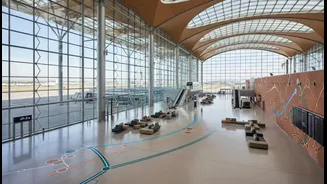
The government recently launched the scheme's next phase, dubbed 'Viksit UDAN', to run for the next ten years with a massive outlay of nearly ₹29,000 crore. This modified scheme aims to learn from the past and double down on what works. The primary focus is a major push for building infrastructure. The plan includes developing 100 airports from existing unserved airstrips and building 200 modern helipads to improve last-mile connectivity, especially in hilly and remote areas. This signals a shift from just subsidising routes to building a sustainable ecosystem for regional aviation. The government expects these changes to enable 40 million additional passenger journeys over the next decade.
What's in It for the Aam Aadmi?
For the average Indian, Viksit UDAN translates into more direct and affordable travel options. It means a student from a small town in Bihar, like Darbhanga, can fly closer to home instead of undertaking a long train journey. It allows a family to plan a pilgrimage to a remote location or a vacation to a previously inaccessible tourist spot. The development of heliports will also drastically improve access to emergency healthcare and other essential services in hard-to-reach regions. Furthermore, the scheme promotes the use of indigenous aircraft like the HAL Dornier and Dhruv helicopters, fostering self-reliance while serving remote routes. This renewed focus on connectivity is not just about convenience; it's about integrating every region into India's growth story.
More Than Flights: An Economic Engine
The impact of UDAN extends far beyond the airport runway. By connecting smaller towns, the scheme acts as a catalyst for local economies. Improved connectivity directly boosts tourism, creates jobs, and opens up new opportunities for trade and commerce in Tier-2 and Tier-3 cities. When a town gets an operational airport, it attracts investment, supports local artisans and businesses, and creates a ripple effect of development. This aviation-led growth is a key component of the government's broader vision for a developed India by 2047.
Addressing the Bumps on the Runway
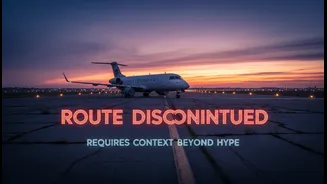
The journey so far hasn't been without turbulence. A significant challenge has been sustaining the routes once they are launched. Reports indicate that nearly half of the routes made operational since 2017 were later discontinued due to reasons like low passenger demand and operational challenges for airlines. Issues like airport readiness, high operating costs for smaller airlines, and choked capacity at major metro airports have also posed hurdles. The modified Viksit UDAN attempts to address these shortcomings with a longer-term funding commitment, extended operational support for regional airports, and a stronger focus on creating robust infrastructure from the ground up.