



The Rise and Fall of Wellness Cuisine
For years, the wellness industry has dominated our kitchens. Cookbooks and food blogs promised to transform our health, offering recipes to make us 'glow from the inside out' or 'reset' our bodies. These collections were often filled with expensive, hard-to-find
ingredients and complex instructions. The underlying message was that everyday food wasn't good enough; to be truly healthy, one needed to adopt a specific, often restrictive, dietary label like paleo, gluten-free, or clean-eating. While the intentions may have been good, the result for many home cooks was fatigue and frustration. The pressure to adhere to these strict rules turned cooking, a source of joy and connection for generations, into a chore burdened by anxiety and guilt. This has led to a growing appetite for a different approach—one that values reality over rigidity.
A Return to Realistic Cooking
In response to this wellness fatigue, a new wave of recipe creators and cookbook authors is championing a different philosophy. Instead of focusing on what to eliminate, they focus on what to enjoy. Books with titles like "What to Cook When You Don't Feel Like Cooking" and collections that promise simple, weeknight-friendly meals are gaining popularity. These recipe collections are built on a foundation of practicality. They recognize that most people are short on time, working with a budget, and cooking for families with diverse tastes. The goal isn't to achieve a perfect, Instagrammable vision of health, but to get a delicious and satisfying meal on the table with minimal stress. This movement represents a significant shift from aspirational health goals to achievable daily habits.
What Practicality Looks Like in the Kitchen
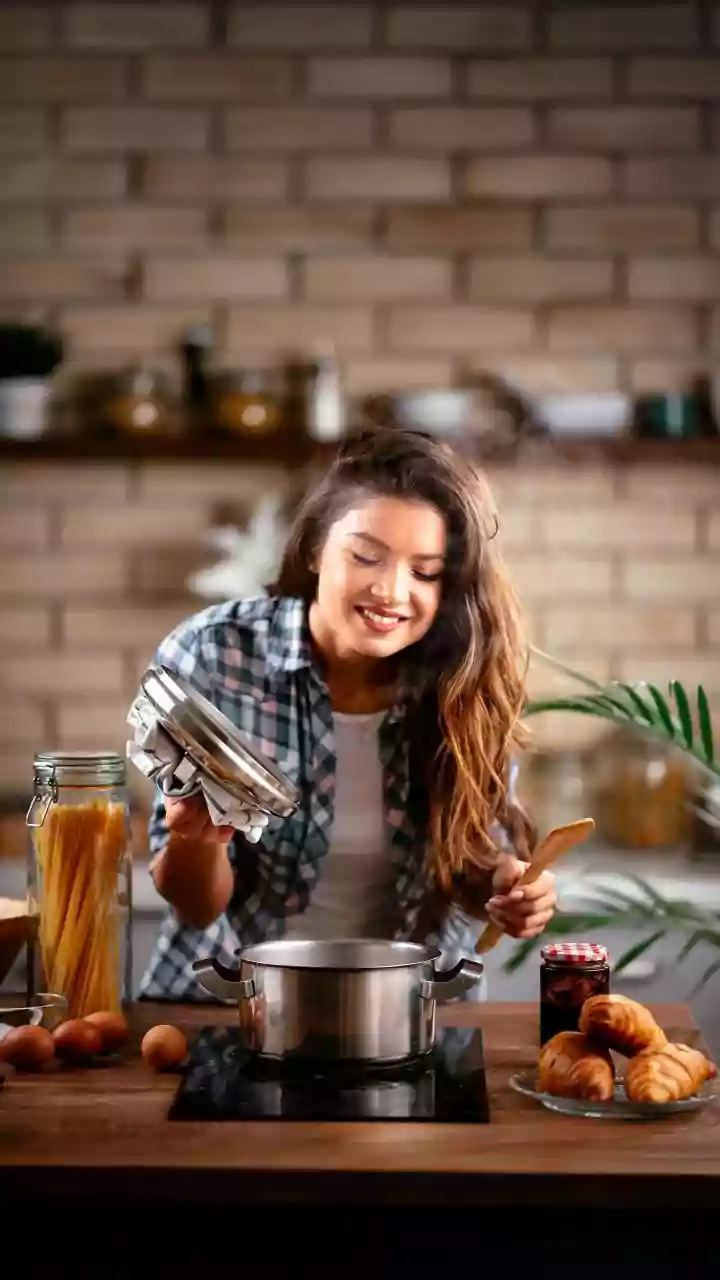
So, what defines this practical approach? It starts with the ingredients. Recipes call for common pantry staples and supermarket finds, not obscure powders or supplements. Simplicity is also key, with a surge in one-pot and one-pan meals that minimize cleanup. Many modern recipes are designed to be completed in 30 minutes or less, acknowledging the realities of a busy schedule. This trend also embraces sensible shortcuts, like using canned beans or store-bought sauces, without shame. Furthermore, it aligns with the popularity of time-saving appliances like air fryers and Instant Pots, which have become central to making home-cooked meals feel more convenient than takeout. It’s a commonsense approach that feels reminiscent of how our parents and grandparents cooked: making something filling and delicious without overcomplicating it.
Flavour and Joy Without the Fuss
Crucially, this return to practicality does not mean a sacrifice in flavour. In fact, by removing the pressure of adhering to strict dietary rules, these recipes liberate home cooks to focus on the fundamentals of good cooking: building flavour, mastering simple techniques, and finding pleasure in the process. The message is one of empowerment. You don't need to be a professional chef or a certified nutritionist to create a wonderful meal. Viral trends like baked feta pasta or one-pot lasagna soup became popular not just because they were easy, but because they delivered high-reward flavour with low effort. This builds kitchen confidence, encouraging people to experiment and find their own rhythm rather than just following a rigid plan. The focus shifts from food as medicine to food as a source of comfort, connection, and joy.