

Why Grow from Cuttings?
Propagating plants from cuttings is essentially creating a clone of the parent plant. This means you can replicate a plant that has thrived in your home's specific conditions, or multiply a favourite like a beautiful hibiscus or a lush money plant. It’s
an incredibly rewarding and sustainable way to expand your garden without spending a rupee. Rather than buying new plants, you can create them, ensuring the new plant has the exact same characteristics as the one you already cherish. Plus, sharing these home-grown saplings with friends and family makes for a wonderful, personal gift.
Easy Plants for Beginners in India
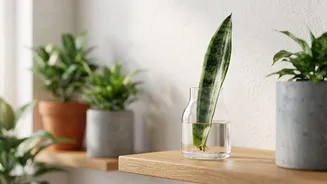
Not all plants are created equal when it comes to propagation. For beginners, it's best to start with plants known for their eagerness to root. In the Indian context, some of the easiest include Money Plant (Pothos), Snake Plant, Wandering Jew, Bougainvillea, Hibiscus, and most varieties of Rose. These plants are generally forgiving and will root with minimal fuss, making them perfect for your first few attempts. Softer-stemmed plants like the Money Plant are often the quickest to show results, which can be a great confidence booster.
The Essential Toolkit
You don’t need a lot of fancy equipment to get started. Most of what you need is likely already in your home. Gather a pair of sharp, clean scissors or pruning shears, a glass jar or a small pot with drainage holes, and your rooting medium. Using a sharp tool is crucial as a clean cut heals faster and is less prone to disease than a crushed stem. For the rooting medium, you have two main choices: plain water or a soil-less potting mix. While not strictly necessary for easy-to-root plants, having a rooting hormone on hand can significantly speed up the process and increase your success rate, especially for woodier cuttings like roses or hibiscus.
Taking the Perfect Cutting
The health of your new plant depends on the quality of the cutting. Always choose a healthy, vigorous stem from the parent plant—avoid any that look weak, yellowed, or diseased. Look for a stem and identify the nodes; these are small bumps on the stem where leaves and new roots emerge. Your cutting should be about 4-6 inches long. Make a clean cut with your sterilized shears just below a node. Once you have your cutting, gently remove the lower leaves, ensuring that at least two or three leaves remain at the top. The part of the stem where you removed the leaves is where it will go into the water or soil.
Water or Soil: Choosing Your Path
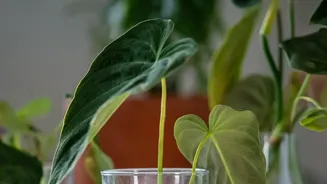
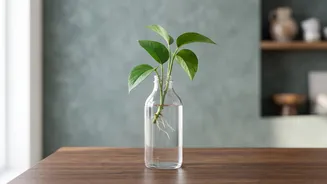
Propagating in water is often the easiest method for beginners because you can watch the roots grow. Simply place your cutting in a jar of water, ensuring the nodes are submerged but the leaves are not. Change the water every few days to keep it fresh and prevent bacterial growth. This method works wonderfully for plants like Money Plant and Wandering Jew. For other plants, especially those with woody stems like Rose and Hibiscus, soil propagation is more effective. Dip the cut end in rooting hormone (if using) and plant it in a pot with a well-draining, sterile potting mix. A mix of cocopeat and perlite is an excellent choice. The soil should be kept consistently moist but never waterlogged to avoid rot.
Patience and Proper Care
Once your cutting is in its medium, the waiting game begins. Place the jar or pot in a location that receives bright, indirect sunlight. Direct, harsh sun can scorch the delicate cutting. If you're rooting in soil, you can create a humid environment by covering the pot with a clear plastic bag to prevent the cutting from drying out. Be patient; rooting can take anywhere from a week to several months. For water-propagated cuttings, you can transplant them to soil once the roots are about one to two inches long. When moving from water to soil, keep the soil extra moist for the first week to help the roots acclimatize.
Avoiding Common Mistakes
A few common mistakes can derail your propagation efforts. The number one error is not including a node on your cutting; without it, most plants simply cannot produce roots. Another pitfall is using dull or dirty tools, which can introduce bacteria and lead to rot. Overwatering is also a frequent problem—cuttings need moisture, but soggy conditions will cause them to decay. Finally, giving up too soon is a common issue. Some plants take their time, so as long as the cutting isn't black or mushy, there is still hope.