


From Problem Plastic to Potential
The journey from a plastic bottle to a cookie begins with one of the world's most persistent waste problems: polyethylene terephthalate, or PET. This is the common plastic used for single-use drink bottles and food containers. While durable and useful,
its resistance to breaking down makes it a major environmental headache. The core idea behind this new technology is simple but revolutionary: plastic is made of carbon, and food is also based on carbon. Scientists at Southern Illinois University Carbondale, supported by a NASA project, asked if they could bridge that gap by breaking plastic down to its essential carbon molecules and building them back up into something edible.
Breaking It Down: The First Step
You can't just grind up a bottle and bake it. The first crucial step is deconstruction. The researchers use a process called oxidative hydrothermal dissolution. This technique uses water and oxygen at very high temperatures and pressures to break down the tough PET plastic, along with other organic materials like agricultural waste, into smaller, simpler, carbon-rich molecules. Think of it as a high-tech pressure cooker that dismantles the complex and resilient structure of plastic, turning it into a liquid mixture of basic chemical components that microbes can access and digest. This liquid feedstock becomes the raw material for the next stage of the process.
Feeding the Microbes
This is where biology takes over. The carbon-rich liquid is fed to specially programmed yeasts. These aren't your standard baker's yeast; they have been genetically engineered to consume the specific molecules derived from the plastic and convert them into valuable nutrients. This process is a form of fermentation, similar to how microbes have been used for decades to produce everything from insulin to alcohol. In this case, the yeasts act as miniature biological factories, consuming the carbon from the broken-down plastic and using it to produce proteins, fats, and other beneficial compounds.
From Slurry to Snack
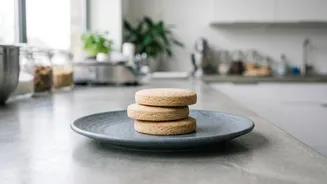
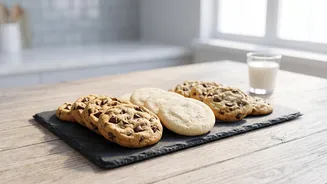
The result of this microbial feast is a nutritious slurry or paste. This biomass, rich in protein and fats created by the yeast, forms the base of the final food product. To create their prototype, called µBites (pronounced 'micro-bites'), the research team adds other conventional ingredients like starch, fiber, and sweeteners to the yeast-derived paste. This creates a dough-like substance that is then extruded through a 3D printer to create a consistent shape before being cooked. The team has even engineered different yeast strains to produce flavorings, like vanillin, from the same waste-derived sources.
Safety, Scalability, and a Long Road Ahead
The most pressing question is whether it's safe to eat something derived from plastic. Researchers stress that you are not eating plastic; the plastic is completely broken down into its fundamental carbon molecules, which are then rebuilt by yeast into entirely new, edible compounds. While initial data suggests the resulting food is safe, the prototype cookies have not yet been taste-tested by humans pending institutional approval. Participants who have smelled the products report a pleasant aroma. Beyond safety, there are significant hurdles to overcome. The current cost is high, at around $60 per kilogram, and the process takes one to two days. Scaling this technology to make a meaningful impact on either plastic waste or food insecurity will require major advances in efficiency. Some critics are skeptical that this can ever be a commercial solution to the massive scale of the world's plastic problem, viewing it more as a niche application for extreme environments like space missions or disaster zones.