

The Sweet All-Stars
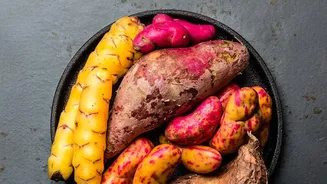
Sweetness provides the comforting, caramelised notes that make a roasted vegetable platter so appealing. Carrots are a classic choice, their natural sugars deepening beautifully in the oven. Sweet potatoes and yams offer a creamy texture and a pronounced
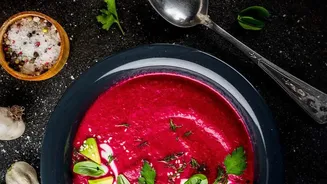
sweetness that pairs well with savory herbs. Beets, whether the deep red or sunny golden variety, contribute a sweet flavour that has a distinct earthy undertone. Parsnips, which look like pale carrots, also have a surprising sweetness with a slightly nutty or spicy finish. When roasted, these vegetables develop a tender interior and slightly crispy, browned edges that are irresistible.
A Pop of Peppery Spice
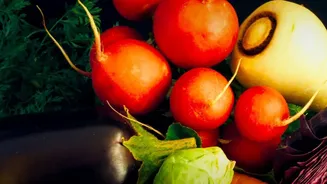
To cut through the sweetness and add a layer of complexity, you need a peppery element. Radishes are a perfect candidate; while often eaten raw for their sharp bite, roasting mellows their flavour into a mild, pleasant pepperiness. There are many varieties to choose from, including the common red globe, the elongated daikon, or the stunning watermelon radish. Turnips, which can be slightly bitter when raw, become much sweeter and milder when cooked, offering a gentle peppery note. For a slightly more assertive flavour, consider the rutabaga, a hybrid of a turnip and cabbage that is larger and has a sweeter, less peppery taste than a turnip but still provides a satisfying kick.
The Earthy Foundation
Earthy vegetables provide the hearty, grounding base for your platter. Potatoes are the quintessential choice, with countless varieties offering textures from waxy to starchy. Celeriac, or celery root, has a flavour reminiscent of celery and parsley but with a nutty, earthy depth. While beets are also sweet, their dominant flavour profile is deeply earthy, making them a bridge between categories. This foundational layer ensures the platter is substantial and satisfying, creating a robust counterpoint to the sweeter and spicier components.
The Art of the Roast
Roasting is arguably the best method for a mixed vegetable platter as it caramelises their natural sugars and intensifies flavour. The technique is simple. First, preheat your oven to a high heat, around 200-220°C. Cut your chosen vegetables into uniform, bite-sized pieces to ensure they cook evenly. Harder vegetables like beets and carrots may require a head start before adding softer ones like turnips. Toss everything in a bowl with a generous coating of olive oil, salt, and pepper. You can also add woody herbs like rosemary or thyme. Spread the vegetables in a single layer on a baking sheet, making sure not to crowd the pan, which would cause them to steam rather than roast. Roast for 30-45 minutes, turning them halfway through, until they are tender on the inside and golden brown and crispy on the outside.
Finishing Touches and Dips
Once roasted to perfection, arrange the vegetables on a large platter or board, grouping them by colour and type for visual appeal. To elevate the platter further, consider adding a complementary dip. A creamy dip provides a cooling contrast to the warm, roasted vegetables. Options include a classic hummus, a tangy yogurt-based dip with dill or garlic, or a vibrant green goddess dressing made with fresh herbs, avocado, and cashews. For a final flourish, you can drizzle the vegetables with a balsamic glaze or a simple vinaigrette, and sprinkle with fresh parsley, flaky sea salt, or even a creamy cheese like feta or goat cheese.