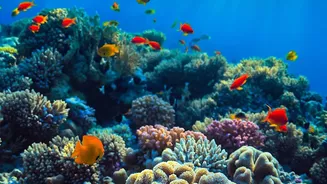








An Enduring Bucket-List Dream
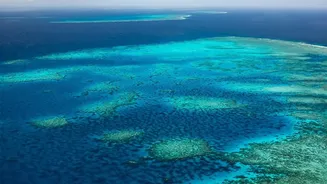
Spanning over 2,300 kilometres, the Great Barrier Reef isn't just a destination; it's a natural wonder of the world. For many Indian travellers, visiting the reef is a significant milestone. It represents the pinnacle of nature-based travel, an opportunity
to witness a sprawling ecosystem teeming with life. Tourism Australia has consistently highlighted such iconic landmarks in its campaigns, recognising that Indian tourists are often drawn to unique and unforgettable experiences. This allure is backed by strong growth in visitor numbers; while there was a dip in May 2026 due to aviation issues, the overall trend has been positive. For the year ending December 2025, arrivals from India to Australia hit a record 451,524, surpassing pre-pandemic levels significantly. This shows a powerful, sustained interest in the country, with Queensland's natural assets at the forefront.
More Than Just a Dive
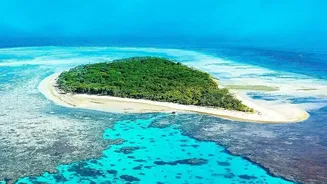
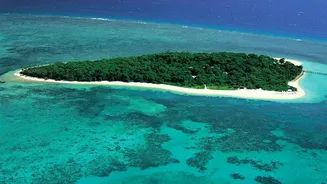
The modern Great Barrier Reef experience is far more than just scuba diving. Tour operators in hubs like Cairns and Port Douglas offer a vast menu of activities designed for every type of traveller. Families can enjoy glass-bottom boat tours and snorkelling directly from the beaches of Green Island. Adventurous visitors can take scenic helicopter flights over the iconic Heart Reef, while those seeking a more relaxed pace can sail through the idyllic Whitsunday Islands. This diversity is key to its popularity. It allows multi-generational Indian families, honeymooners, and solo travellers to tailor their own adventure. You can spend a day on a vibrant outer reef pontoon with buffet lunches and semi-submersible tours, or even spend a night on the reef itself in underwater accommodation. This variety ensures the reef is accessible and enjoyable, regardless of one's swimming ability or comfort level in the water.
The Queensland Advantage
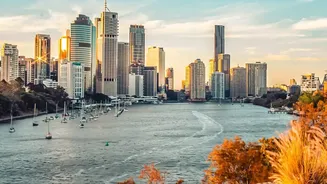
The reef is rarely a standalone destination. It’s the crown jewel of a broader Queensland holiday that holds immense appeal for the Indian market. In the year to September 2025, Queensland welcomed 77,000 Indian visitors. Cities like the Gold Coast, which saw a 35% jump in Indian tourists in the same period, offer world-class theme parks, shopping, and a vibrant city life that complements the natural beauty of the north. Brisbane is also actively courting Indian travellers, recognising the market's potential. This combination allows visitors to pair a serene, nature-focused experience at the reef with a dynamic, entertainment-filled city break, creating a well-rounded holiday package that appeals to diverse interests within a single travelling group.
An Honest Look at Reef Health
It is impossible to discuss the Great Barrier Reef without addressing the environmental challenges it faces, primarily from coral bleaching due to rising sea temperatures. However, the story on the ground—and in the water—is one of resilience and active conservation. The Australian Institute of Marine Science (AIMS) reported in August 2026 that after a difficult few years, coral cover across the reef had stabilised or slightly increased in 2026. A late summer monsoon provided a crucial cooling effect, helping to aid recovery. While some areas show the strain of past bleaching events, vast stretches remain vibrant. Tourism operators are now part of the solution, training crews in reef health monitoring and educating guests about the ecosystem and conservation efforts, such as at the Green Island Coral Nursery. For visitors in 2026, the experience is still one of wonder, witnessing a kaleidoscopic world of fish, turtles, and colourful corals, albeit one that carries an important message of conservation.