

A Resilient Crop with a Complicated History
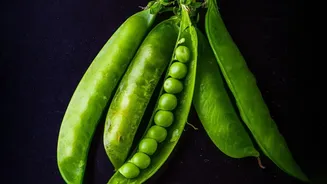
The grass pea, or Lathyrus sativus, is one of the hardiest food crops known. It can withstand both drought and waterlogging, growing in difficult conditions where staple crops like wheat or other pulses might fail. This resilience made it a vital lifeline,
a so-called “famine food,” for centuries across parts of India, Bangladesh, and Ethiopia. When all else failed, communities could rely on khesari dal. It is often grown with zero investment besides seeds, providing a reliable harvest for farmers in challenging climates. However, this very resilience is tied to its controversial reputation. For over half a century, khesari dal was officially banned for sale in India, a decision made in 1961 due to serious health concerns that cast a long shadow over this humble legume.
A Nutritional Powerhouse
On paper, the grass pea is a nutritional champion. It is exceptionally rich in protein, with content ranging from 26% to over 34%, which is significantly higher than many other common pulses like chickpea (chana). It’s a fantastic source of plant-based protein, making it ideal for vegetarian and vegan diets. Beyond protein, it is loaded with essential minerals like potassium, magnesium, iron, and zinc. The legume is also rich in dietary fibre, which aids digestion, and B vitamins crucial for cell growth. With a low glycemic index, it helps in managing blood sugar levels, making it a suitable option for those who need to control blood sugar. Its profile suggests it could be a powerful tool against malnutrition, if not for its one major historical drawback.
The Shadow of Lathyrism
The controversy surrounding khesari dal centres on a neurological disorder called neurolathyrism. The condition is caused by a neurotoxin found in the pea called ODAP (or BOAA). Neurolathyrism is a crippling disease that causes irreversible spastic paralysis of the lower limbs, leading to difficulty walking and muscle stiffness. Historically, outbreaks were reported during times of famine, when impoverished and malnourished populations were forced to consume grass pea as their sole or primary food source for months on end. It’s this near-exclusive, long-term consumption, especially of high-toxin varieties, that leads to the disease. The risk was compounded because the concentration of the ODAP toxin can increase when the plant is under stress, such as during a drought — precisely when people would rely on it most. This direct link led to the nationwide ban in 1961, branding khesari a dangerous food.
A Story of Scientific Redemption
For decades, the ban remained, though cultivation for animal feed and some local consumption continued. But in recent years, the story has changed dramatically thanks to agricultural science. Researchers have successfully developed several low-toxin varieties of grass pea. Varieties like 'Prateek', 'Ratan', and 'Mahateora' contain levels of the ODAP toxin that are well below the previously dangerous thresholds. This scientific breakthrough was a game-changer. Citing the development of these safer varieties, the official ban on khesari dal was lifted in 2016, paving the way for its reintroduction. Furthermore, traditional preparation methods have been proven to reduce the toxin levels. Simple steps like soaking the dal in water overnight and then cooking it thoroughly can significantly lower the concentration of ODAP, making even traditional varieties safer to consume in moderation.
Bringing Khesari Dal to Your Plate
With low-toxin varieties now available and a better understanding of safe preparation, khesari dal is ready for a comeback. Its flavour is often described as earthy and slightly sweet, and it can be used just like other dals. It can be cooked into a simple dal tadka, used as a base for khichdi, or ground into flour and mixed with other flours to make rotis or kachoris. The key to safe consumption is moderation and proper preparation. Always soak the dal overnight and discard the water before cooking it well. When purchasing, look for trusted suppliers who can confirm you are buying one of the newer, low-toxin varieties. It should not be a monotonous staple eaten daily for months, but rather a part of a balanced and diverse diet, where it can be a delicious and nutritious addition.