






The Real Cost of a Longer Commute
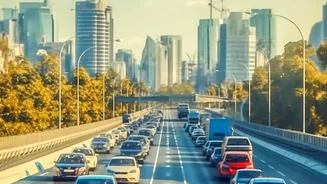
That extra space in a far-flung suburb comes with a hidden price tag measured in time and money. A long commute isn't just a minor inconvenience; it's a significant drain on your resources and well-being. The daily grind of traffic or crowded public transport
adds up. Economists refer to the 'commuting paradox', where people accept long travel times for a bigger home, underestimating how miserable it will make them. Research suggests that someone commuting an hour each way would need a 40% raise to be as satisfied as someone who doesn't commute. Beyond fuel and fares, the time itself is a non-renewable resource. An extra hour in transit daily is an hour not spent with family, exercising, or relaxing. Studies have repeatedly linked long commutes to higher stress, anxiety, and even an increased risk of chronic health issues like high blood pressure.
Access is the Ultimate Amenity
A prime location puts the city's best features at your doorstep. Think of walkability as a built-in luxury. The ability to stroll to a cafe, grocery store, park, or cinema without planning a major expedition fundamentally improves your quality of life. These conveniences reduce friction in your daily routine, making life smoother and more spontaneous. Neighbourhoods with high walkability are associated with better physical and mental health, reduced traffic, and stronger social connections. When you can run errands on foot, you save on transport costs and gain opportunities for incidental exercise. This easy access to amenities isn't just a perk; it's a core feature of your home that a large, isolated apartment can't replicate.
The Unquantifiable Value of Community
Living in the heart of a vibrant area makes you a part of its fabric. A well-chosen location fosters a sense of community that is difficult to build when your home is isolated. Being close to friends and social hubs allows for spontaneity—a last-minute dinner plan or a casual weekend meet-up doesn't require complex logistics. This proximity can combat the social isolation that sometimes accompanies suburban life. For families, a good location often means easier access to quality schools, parks, and play areas, reducing the reliance on cars for every activity. This creates a more independent and connected lifestyle for everyone in the household, from children to seniors.
Rethinking the Need for Space
Often, the desire for more space is a response to a poorly designed or located home. If your neighbourhood is engaging and full of amenities, you're more likely to spend time outside of your apartment. Your local park becomes your garden, the nearby library becomes your study, and the cafe down the street becomes your extended living room. In this context, an extra bedroom that serves mostly as a storage space might seem less essential. In post-pandemic trends, while some still seek suburban space, urban markets have rebounded, attracting those who prioritize lifestyle and connectivity. The choice isn't just about square footage versus location; it's about what kind of life you want to lead. A smaller, well-located home can offer a richer, more engaged existence than a larger, more isolated one.