




North India’s Wheat Heartland
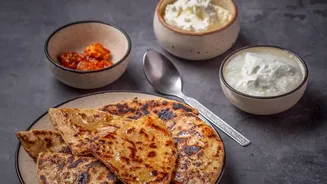
Across the fertile Gangetic plains of North India, wheat is king. This region's agricultural abundance is evident in its breakfast staples, which are hearty, satisfying, and designed to fuel a long day. The most iconic of these is the paratha, a whole-wheat
flatbread that can be served plain or stuffed with a variety of fillings. Aloo paratha, filled with spiced mashed potatoes, is a ubiquitous favourite in homes and dhabas alike, often served with a dollop of white butter, tangy pickle, and cool yogurt. Other popular versions include paneer (cottage cheese), gobi (cauliflower), and mooli (radish). Another beloved breakfast is poori sabzi, where deep-fried, puffy wheat bread is paired with a flavourful potato curry. These dishes showcase how a single grain, wheat, can be transformed into a diverse array of textures and tastes, forming the backbone of the northern breakfast tradition.
The Southern Symphony of Rice and Lentils
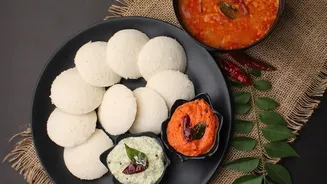
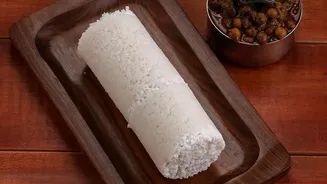
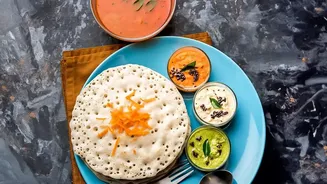
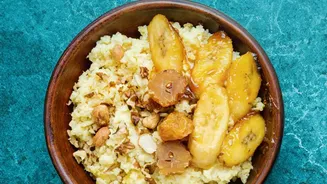
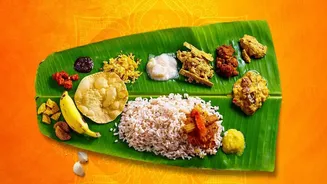
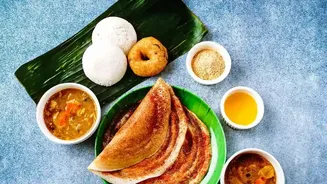
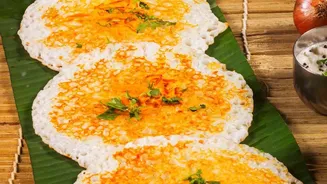
Travel south, and the breakfast landscape changes dramatically. Here, rice and lentils reign supreme, often combined and fermented to create light, digestible, and nutritious morning meals. The undisputed stars are idli and dosa. Idlis are soft, fluffy steamed cakes made from a fermented batter of rice and urad dal (black gram lentils), making them easy on the stomach and a healthy start to the day. Dosas are thin, crispy crepes made from a similar batter, served plain or filled with spiced potatoes (masala dosa). Both are typically accompanied by sambar, a tangy lentil-and-vegetable stew, and an assortment of chutneys, most commonly coconut-based. Other rice-based favourites include appam, a lacy pancake from Kerala with a soft centre, and pongal, a comforting porridge-like dish from Tamil Nadu made with rice and moong dal.
Millet's Might in the Arid West
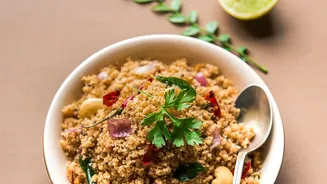
In the arid regions of Western India, particularly Rajasthan and Gujarat, hardy and drought-resistant millets take centre stage. Grains like bajra (pearl millet) and jowar (sorghum) are perfectly suited to the climate and form the basis of many traditional breakfasts. In Gujarat, you might find thepla, a soft, spiced flatbread often made with whole wheat flour and fenugreek leaves (methi), but millet-flour versions are also common. In Rajasthan, bajra roti, a dense, earthy flatbread, provides sustained energy. Across Maharashtra, thalipeeth, a savoury multi-grain pancake, often incorporates jowar and bajra flour alongside other grains and spices. These millets, once considered humble fare, are now celebrated for their high nutritional value and gluten-free properties. Jowar, for instance, is used to make everything from upma to cheelas (savoury pancakes).
The Versatility of Rice in the East and Centre
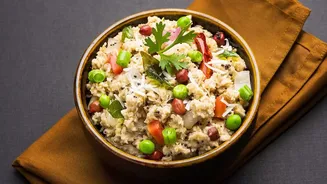
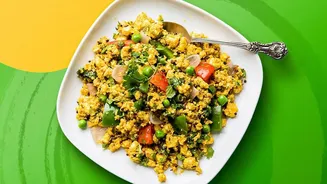
In Central and Eastern India, from Maharashtra to West Bengal, one of the most versatile breakfast staples is poha, or flattened rice. This quick-cooking ingredient is light, and adaptable. In Maharashtra, kanda poha is a beloved dish where the rice flakes are tempered with onions, mustard seeds, turmeric, and peanuts, finished with a squeeze of lemon and fresh coriander. In West Bengal and surrounding areas, flattened rice (chira) might be eaten simply with yogurt or jaggery. The simplicity of flattened rice allows it to be adapted to local tastes, making it a unifying breakfast food across a vast swathe of the country. It’s a testament to how a single processed grain can anchor the morning meal for millions.
The Modern Revival of Ancient Grains
While wheat and rice continue to dominate, there's a growing movement across India, especially in urban centres, to embrace a wider variety of native grains. Millets are experiencing a significant renaissance, with ragi (finger millet) leading the charge. Traditionally a staple in Karnataka, ragi is now being used to create modern, health-conscious versions of classic dishes. You can now find ragi dosas, ragi idlis, and ragi malt (a nutritious porridge) on menus far beyond its native region. This trend represents a full-circle moment, as Indians rediscover the nutritional benefits and rich flavours of the very grains that sustained their ancestors for centuries, proving that the future of Indian breakfast is deeply rooted in its past.