







The Case for Walking: Simple, Accessible Cardio
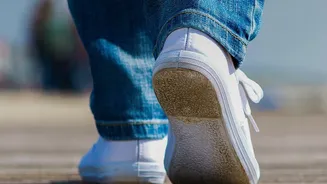
Walking is perhaps the most underrated form of exercise. It's free, requires no special equipment beyond a good pair of shoes, and can be integrated into almost any lifestyle. Its primary benefit is cardiovascular health. A consistent walking habit strengthens
your heart and lungs, improves circulation, and helps manage conditions like high blood pressure. Just 30 minutes of brisk walking most days can significantly reduce your risk of heart disease. Beyond heart health, walking is a weight-bearing exercise that helps maintain bone density and muscle endurance with minimal strain on the joints, making it ideal for all ages and fitness levels. It's also a proven tool for weight management by burning calories and boosting metabolism. Mentally, the rhythmic nature of walking, especially outdoors, can reduce stress and improve your mood.
The Power of Pilates: Core Strength and Control
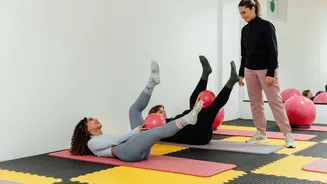
While walking moves you forward, Pilates teaches you how to move well. Pilates is a form of low-impact strength training that focuses on core stability, flexibility, posture, and muscular control. The “core,” in Pilates terms, is the powerhouse of your body, including deep abdominal muscles, the back, and pelvic floor. By strengthening this foundation, Pilates improves your body's overall alignment and efficiency. This can lead to better posture, reduced back pain, and a decreased risk of injury. Unlike walking, Pilates targets the entire body, including upper-body strength and muscles used for rotation and stability, which are often neglected in repetitive forward movements. It builds lean muscle, which in turn boosts your resting metabolism, meaning you burn more calories even when you're not exercising.
Head-to-Head: Cardio and Calorie Burn
If your main goal is immediate calorie burn or cardiovascular endurance, walking has the edge. As a form of continuous aerobic activity, a brisk 30-minute walk will generally burn more calories than a 30-minute mat Pilates session. Walking is more effective for creating the immediate calorie deficit often associated with weight loss. However, the story doesn't end there. Pilates builds muscle, and more muscle mass increases your basal metabolic rate. So, while walking wins for in-the-moment calorie burn, Pilates contributes to a higher long-term calorie burn by changing your body composition. For pure heart health benefits, walking is a clear and direct winner.
Head-to-Head: Strength, Flexibility, and Posture
This is where Pilates truly shines. While walking maintains muscle endurance, it doesn't build significant strength in the way targeted resistance exercises do. Pilates excels at developing deep, functional strength, particularly in the core, glutes, and back. The controlled movements also dramatically improve flexibility and mobility, lengthening tight muscles and increasing your range of motion. Better posture is one of the most celebrated benefits of a consistent Pilates practice. By strengthening the muscles that support your spine, it helps you stand taller and move with more grace, correcting the imbalances that can develop from sedentary life or repetitive activities like walking with poor form.
The Verdict: Better Together
The debate of walking versus Pilates isn't about choosing a winner. Instead, it's about recognising that they are the perfect partners for a truly balanced fitness routine. Walking provides the essential cardiovascular conditioning that Pilates lacks, while Pilates builds the core strength, stability, and body awareness that makes your walking more efficient and safer. Think of it this way: Pilates strengthens the foundation and framework of your body, while walking puts that stronger, more aligned body into motion. Alternating walking days with Pilates sessions gives you a powerful combination of cardio, strength, and flexibility, which can prevent workout boredom and reduce the risk of injury. This synergy covers all the bases for long-term health, from a strong heart to a resilient, pain-free body.