




A Continent Breaking the Wrong Records
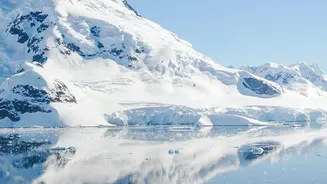
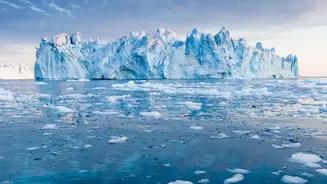
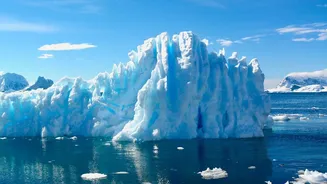
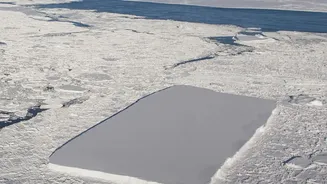
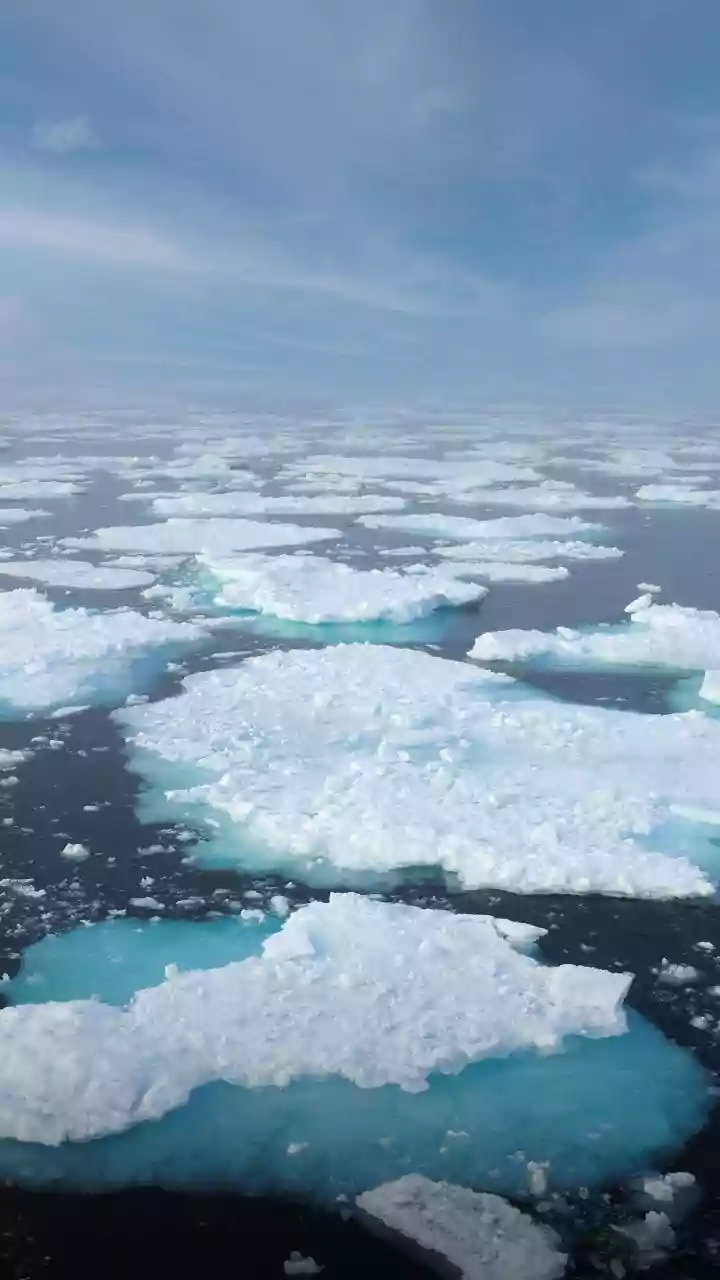
Imagine an area of ocean ice twice the size of Spain simply not forming. That’s what scientists observed as Antarctica’s winter sea ice reached its maximum extent for 2026. It peaked at its third-lowest level since satellite records began, falling about
a million square kilometres short of the long-term average. This isn't an isolated event. According to the National Snow and Ice Data Center (NSIDC), the four lowest winter maximums on record have all occurred in the last four years. This trend follows equally worrying summer minimums, where ice cover has also plummeted to historic lows. The continent, which goes through a vast annual cycle of melting and freezing, is now consistently failing to replenish its ice, raising urgent questions among scientists about whether the system has fundamentally changed.
The Science Behind the Shrinking Ice
So, what’s causing this sudden and dramatic shift? For a long time, Antarctica seemed shielded from the rapid melting seen in the Arctic. Scientists now believe a combination of factors has overwhelmed its defences. One major culprit is the intrusion of warmer ocean water. Changes in wind patterns, driven by broader climate change, are pulling warmer, saltier deep ocean water up to the surface. This warmer water makes it harder for new ice to form and accelerates the melting of existing ice from below. This process was previously held in check by a layer of fresher, colder water on the surface, created by increased precipitation. However, it seems the strengthening winds have finally won out, unleashing decades of stored ocean heat. This creates a dangerous feedback loop that could lock the region into a prolonged low-ice state.
The Albedo Effect and Global Consequences
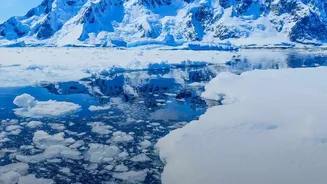
What happens in Antarctica doesn’t stay in Antarctica. The continent's vast white sheet of ice acts like a giant mirror, reflecting the sun's energy back into space. This phenomenon, known as the albedo effect, helps keep our planet cool. As sea ice vanishes, it exposes the darker ocean water beneath. Dark surfaces absorb sunlight instead of reflecting it, causing the ocean to warm further. This, in turn, melts even more ice, creating a vicious cycle that amplifies global warming. While melting sea ice doesn't directly raise sea levels because it's already floating, its absence has a critical indirect effect. It leaves coastal ice shelves and glaciers exposed to the full force of ocean waves and warmer temperatures, weakening them and speeding up the flow of land-based ice into the ocean, which does contribute to sea level rise.
A 'Now Problem' for Ecosystems
The rapid loss of sea ice is an immediate crisis for Antarctica’s unique ecosystem. The entire food web is built upon this frozen platform. Algae, which grow on the underside of the ice, are the foundation. They feed krill, tiny crustaceans that are the primary food source for penguins, seals, and whales. Less ice means less algae, leading to less krill and a potential collapse of the food web. Emperor penguins, which rely on stable sea ice to breed and raise their chicks, are particularly vulnerable. If the ice breaks up too early in the season, chicks who haven't developed their waterproof feathers can drown. As scientists have warned, this is no longer a future threat; it's a 'now problem' unfolding in real time.