





A Universe in a Warehouse
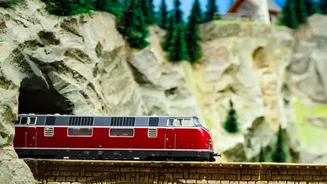
Miniatur Wunderland, located in Hamburg, Germany, is the world's largest model railway exhibition. But calling it just a model railway is a profound understatement. It is a sprawling, intricate, and astonishingly detailed miniature planet housed within
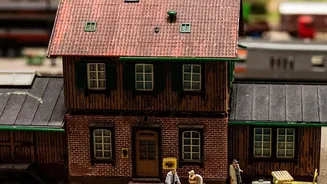
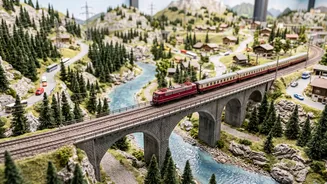
a historic warehouse. Across more than 1,600 square metres of model space, visitors can journey through meticulously crafted landscapes representing different parts of the world, from the canals of Venice to the neon glow of Las Vegas and the snowy peaks of the Alps. The scale is staggering: nearly 16.5 kilometres of track, over 1,200 trains, and almost 290,000 tiny, hand-placed human figures, each telling a small story. It's a place born from the passion of twin brothers Frederik and Gerrit Braun, who envisioned a world that could captivate everyone, not just technology enthusiasts.
When the Sun Sets Every 15 Minutes
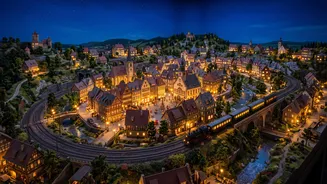
The single most transformative feature of Miniatur Wunderland is its simulated day-night cycle. Every 15 minutes, the ambient lighting in the exhibition hall slowly dims, mimicking a gradual sunset. A brief twilight settles over the miniature world before it is plunged into a convincing night. For a few minutes, the entire experience shifts. A computer-controlled system coordinates this transition across all sections, creating a shared moment of wonder for everyone present. Then, just as you have adjusted to the darkness, a gentle dawn breaks, the lights slowly return to full brightness, and a new day begins in Wunderland. This constant cycle means that no matter where you are in the exhibition, you are guaranteed to see each scene in two completely different lights, ensuring a dynamic and ever-changing visit.
A World Awakens in the Dark
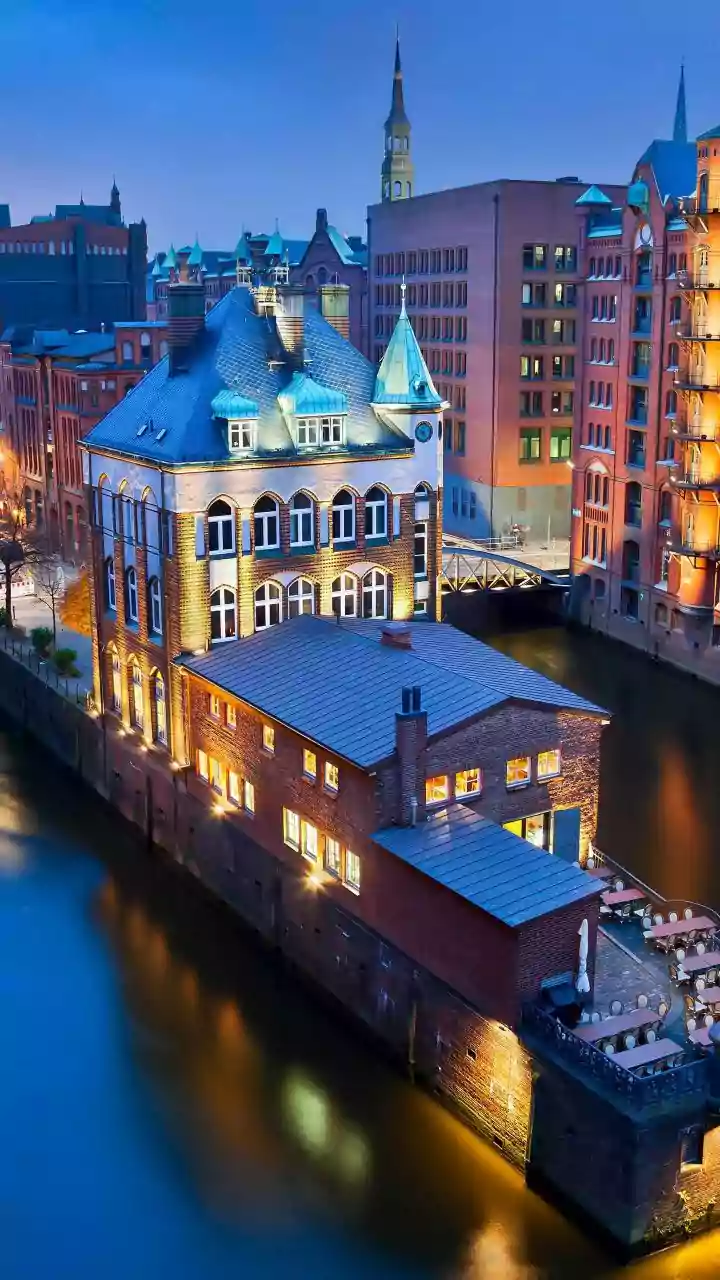
The nighttime is when a different kind of magic takes over. Suddenly, the focus shifts from the broad landscapes to the pinpricks of light that reveal the life within. Nearly 500,000 individually controlled LEDs flicker to life. Tiny houses in the Swiss Alps glow warmly from within, streetlights cast long shadows, and cars turn on their headlights as they navigate the roads. Special scenarios, programmed to occur at night, add to the drama. In the fictional city of Knuffingen, a building might catch fire, triggering a full-scale emergency response with dozens of tiny fire engines, their blue lights flashing, racing to the scene. In the Las Vegas section, the iconic Strip erupts in a dazzling display of colour. The night transforms the static models into living, breathing dioramas, making you feel less like a giant looking down and more like an observer of a secret world.
The Technology Behind the Spectacle
The seamless transition between day and night is a marvel of engineering. It's orchestrated by a complex system of custom software and dozens of networked computers that control everything from the overhead lights to the individual LEDs in a single model car. This digital brain doesn't just turn lights on and off; it creates a symphony of illumination. The lights in buildings don't all appear at once; they flicker on randomly, as they would in a real city. Some cars drive with their headlights on during the 'day', a randomised detail that adds to the realism. The technology even allows for spectacular one-off events, like a volcano erupting in the Pompeii section at night, its glowing lava a mesmerising sight. This immense technical effort, involving hundreds of thousands of hours of work, is dedicated to one goal: making the miniature world feel completely alive.
More Than Just a Light Switch
The day-night cycle is far more than a technical gimmick; it fundamentally changes how visitors interact with the exhibition. During the day, you might be impressed by the sheer scale and craftsmanship. But at night, you are drawn into the details. The darkness forces you to slow down and look closer, to discover the tiny stories playing out in the illuminated windows and on the darkened streets. A concert by DJ Bobo becomes a sea of tiny lighters held aloft; the Amalfi Coast twinkles with a romantic glow. It creates an atmosphere that is both intimate and profound, turning a visual marvel into an emotional experience. It reminds visitors that this is not just a collection of models, but a world filled with countless unseen lives and stories, which only truly reveal themselves after the sun goes down.