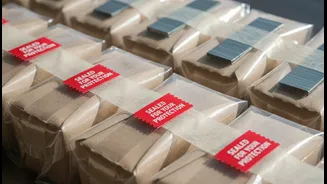








What 'Food-Grade' Actually Means
In simple terms, 'food-grade' signifies that a material is safe for direct contact with food. According to the Food Safety and Standards Authority of India (FSSAI), this means the packaging material is made of substances that are safe, suitable for their
intended use, and will not endanger human health. More importantly, it must not cause an unacceptable change in the food's composition or its sensory properties, like taste and smell. This goes beyond just being clean. It involves ensuring that no harmful chemicals 'migrate' or leach from the packaging into the food, which could pose serious health risks. The core objective is to protect the food from microbiological, chemical, and physical contamination.
The FSSAI Mandate and Required Proof
The Food Safety and Standards (Packaging) Regulations, 2018, are the cornerstone of packaging compliance in India. These regulations make it mandatory for all Food Business Operators (FBOs) to use packaging materials that meet specific Indian Standards (IS codes). Simply trusting a supplier's verbal assurance is not enough. Businesses must obtain and keep records of compliance documentation. This evidence typically includes a Declaration of Compliance (DoC) from the packaging manufacturer, stating that the materials conform to FSSAI rules. Furthermore, businesses should ask for test reports from NABL-accredited laboratories that verify the material's safety, including 'migration testing'. This test measures the amount of substances that transfer from the packaging to the food, ensuring it stays below the prescribed safe limits of 60 mg/kg.
Why the Burden of Proof Is on You
Many business owners assume that if they buy packaging from a vendor, the compliance responsibility lies with the supplier. This is a dangerous misconception. If an inspector finds your business using non-compliant packaging—like uncertified plastics or, even worse, newspaper to wrap food—the liability falls on you, the FBO. Your supplier may face consequences, but it's your business that will be held accountable for selling food in unsafe packaging. This is why proactive verification is essential. You must perform due diligence by auditing your suppliers and requesting the necessary certifications for every batch of packaging you procure. Maintaining these records is not just red tape; it's your legal defence in case of a query or inspection.
The High Cost of Getting It Wrong
Ignoring packaging regulations can have severe repercussions. The most immediate consequences include regulatory penalties, product recalls, and even suspension of your FSSAI license. However, the financial cost often pales in comparison to the reputational damage. In an age of heightened consumer awareness and social media, a single food safety incident can destroy years of brand trust overnight. Using prohibited materials, such as certain recycled plastics for direct food contact or containers with printing inks that do not conform to IS:15495, is a clear violation that can trigger these penalties. The risk is simply not worth the perceived convenience or minimal cost savings of using unverified materials.
From Compliance to Consumer Trust
Instead of viewing packaging compliance as a burden, consider it a business advantage. Demonstrating a commitment to safety by using properly certified food-grade packaging is a powerful way to build and maintain consumer trust. Today's consumers are more informed and concerned about the safety of what they eat and how it's packaged. When you can confidently state that your packaging is FSSAI-compliant and backed by evidence, you create a strong value proposition. It shows that you prioritize customer well-being above all else. This commitment to quality, from the food itself to the container it comes in, is a hallmark of a responsible and trustworthy brand that customers will choose time and again.