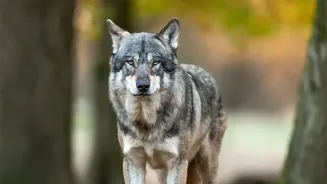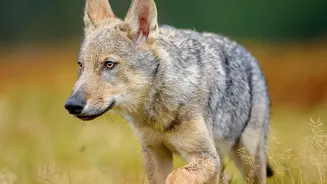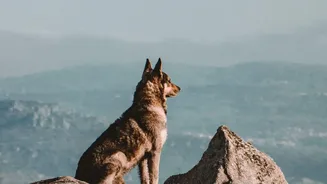






A Continental Comeback Story
Not long ago, seeing a wolf in the wild was a near impossibility in most of Europe. Hunted to the brink of extinction, they survived only in the most remote corners of the continent. Today, the story is dramatically different. Thanks to legal protection
and conservation efforts, wolf populations have surged. Recent estimates suggest there are over 21,500 wolves across Europe, a significant increase in just a decade. Packs are now found in countries where they had been absent for generations, from the Apennine mountains of Italy and the forests of Germany to the wild borders of Poland and Romania. This incredible recovery has opened the door for a new, exciting form of ecotourism. In regions like Spain's Riaño Mountains, specialist guides lead expeditions for travellers hoping to witness these elusive animals in their natural habitat. The appeal is undeniable, but it also creates a delicate balance between opportunity and responsibility.
The Rules of Respectful Engagement
Ethical wolf-watching is more than just a tour; it's a conservation philosophy. The core principle is simple: the animal's welfare comes first. This means prioritising non-invasive methods that minimise disturbance. Responsible operators use high-powered spotting scopes to observe wolves from a great distance, ensuring the animals are not aware of their human audience. They never use bait or artificial calls to lure wolves closer, as this can alter natural behaviours. Instead, the focus is on patience and interpreting the landscape. Guides teach visitors to read tracks, understand pack dynamics, and appreciate the entire ecosystem the wolf inhabents. The best tours are often run by local experts who contribute a portion of their proceeds to conservation projects, such as funding livestock-guarding dogs for local farmers or supporting habitat restoration. This approach turns tourism into a tool that benefits both wildlife and local communities.
When Awe Turns to Harm
The line between ethical and unethical tourism is thin, and the consequences of crossing it are severe, primarily for the wolves. When tour operators or individuals prioritise a close-up photo over the animal's well-being, they can cause immense stress and disturbance. This is particularly dangerous during the sensitive pup-rearing season from April to September. The greatest risk is habituation. When wolves become too accustomed to humans, they lose their natural fear. This can lead them to approach villages or farms in search of easy food, creating conflict with local communities. A wolf that is perceived as a danger, even if its behaviour was caused by irresponsible tourism, is often the one that pays the ultimate price. As a result, many guidelines explicitly forbid leaving trails in sensitive areas or attempting to interact with the animals in any way. Respecting their wild nature is crucial for their survival in a human-dominated landscape.
A Sustainable Path Forward
Despite the risks, wolf-watching tourism holds immense promise as a force for good. In several regions, it is already proving to be a viable economic alternative that gives locals a direct stake in conservation. In Spain's Sierra de la Culebra, for instance, wolf-related tourism was estimated to bring hundreds of thousands of euros into the local economy annually through accommodation, restaurants, and guide services. In Italy's Abruzzo National Park and Romania's Carpathian Mountains, well-managed tourism programs provide jobs and help fund initiatives aimed at reducing human-wildlife conflict. The success of these models demonstrates that the wolf can be more valuable alive than not. By choosing operators who adhere to strict ethical codes, travellers can ensure their visit contributes positively, supporting a future where both people and predators can thrive together.