

The Return to Our Roots
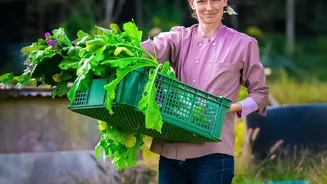
Foraging, the practice of gathering wild food like herbs, greens, mushrooms, and fruits, is as old as humanity itself. In India, it has long been a way of life for indigenous and rural communities, providing nutrition and income. Today, this ancient practice is finding
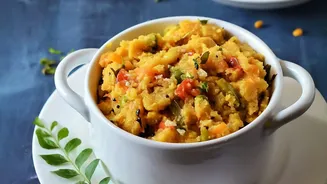
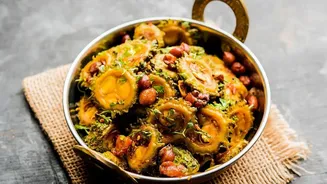
new life in contemporary Indian kitchens. It’s not just about finding free food; it’s a conscious effort by chefs and food enthusiasts to connect with the land, preserve traditional knowledge, and celebrate India’s immense biodiversity. This culinary revival is shining a spotlight on ingredients that have been overlooked for generations, moving beyond cultivated produce to embrace the authentic taste of the wild.
A Taste of the Indian Wilderness
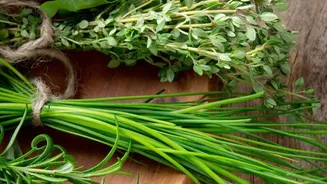
The sheer diversity of India's foraged foods is astounding. In the Himalayas, the prized Gucchi mushroom (morel) is laboriously collected after the snow melts, celebrated for its unique honeycomb texture and deep, earthy flavour. During the monsoon, the forests of the Western Ghats and northeastern states offer up treasures like Lingdu (fiddlehead ferns), which have a crisp texture, and a variety of wild mushrooms with meaty bites. Chefs are also exploring ingredients like the flowers of the Mahua tree, wild amaranth, sea purslane, and the sour leaves of Ambaadi (sorrel), each bringing a unique profile to the plate, from floral sweetness to a tangy kick.
Chefs Championing Wild Ingredients
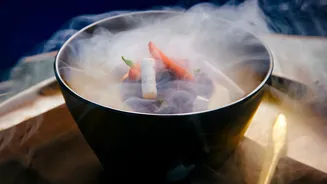
Across the country, visionary chefs are weaving these wild ingredients into their menus. Restaurants like Masque in Mumbai and NAAR in Kasauli have built their philosophy around hyper-local and foraged produce, creating tasting menus that change with the seasons. Chef Vanika Choudhary of Noon in Mumbai is known for her work with foraged ingredients from Ladakh and the Himalayas, including rare herbs like skotse (a wild garlicky herb). Others, like Chef Amninder Sandhu at Palaash near the Tipeshwar Wildlife Sanctuary, incorporate ingredients like foraged tamarind and marigold flowers into their dishes, showcasing the biodiversity of their region. These chefs often work directly with tribal communities and local foragers, ensuring a respectful and sustainable partnership.
The Dangers of the Hype
While the trend brings excitement and new flavours, it comes with significant responsibilities. The biggest danger of foraging hype is the risk of over-harvesting. When a wild ingredient becomes trendy, sudden high demand can decimate local ecosystems and rob local communities of a vital food source. There are also serious safety concerns. Many edible plants have poisonous look-alikes, and incorrect identification can lead to severe illness or even be fatal. Experts warn that foraging requires extensive knowledge passed down through experience, not something that can be learned from a quick search online. The toxins in some poisonous mushrooms, for instance, cannot be destroyed by cooking.
Foraging Forward with Respect
To ensure foraging remains a positive force, the focus must be on sustainability and respect. This means never uprooting an entire plant and collecting only what is abundant. For chefs and restaurants, it involves building ethical relationships with foraging communities, giving them credit, and ensuring they are compensated fairly. It’s about celebrating the wisdom of the communities who have been the custodians of this knowledge for centuries. As diners and home cooks, we can support this movement by dining at restaurants that practice ethical sourcing and by educating ourselves on the importance of seasonality and local ecosystems. The goal is to ensure these wild flavours are available for generations to come, not just for one season of culinary fame.