






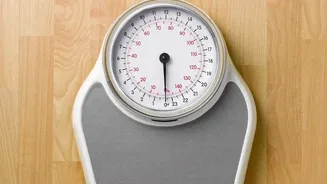


A Growing National Concern
The statistics paint a stark picture. In India, the prevalence of obesity among adolescents has seen a dramatic rise over the last few decades. According to a 2023 Lancet study, 12.5% of urban Indian children aged 5-19 are now considered overweight or obese,
a figure that has more than doubled since the year 2000. Some projections estimate that India could have over 27 million children and adolescents living with obesity by 2030. This isn't just about weight; it's a critical public health issue linked to a higher risk of developing conditions like type 2 diabetes and cardiovascular disease later in life. This escalating trend prompted the WHO to release its first comprehensive guidelines on the issue, signaling a need for a more thoughtful and effective approach.
Beyond 'Eat Less, Move More'
For years, the advice for managing weight has been deceptively simple: eat less and move more. While the sentiment holds true, this approach often fails to address the complex reality of adolescent obesity. The WHO's latest guidelines recognise this by championing a holistic, multi-component strategy. The foundation of this new approach rests on three core pillars: structured dietary interventions, regular physical activity, and, crucially, behavioural support. This integrated model acknowledges that obesity is a chronic disease influenced by a mix of genetics, environment, and psychology, requiring a response that is equally multifaceted and person-centred. The goal is to move away from quick fixes and toward sustainable lifestyle changes.
Pillar One: Reframing Diet
When the WHO talks about dietary interventions, it's not promoting restrictive, short-term diets. Instead, the focus is on building sustainable, healthy eating patterns tailored to the individual's age, culture, and preferences. This means encouraging the consumption of fruits, vegetables, and legumes while moderating the intake of fat, salt, and sugar. A key part of this pillar is family involvement. Rather than placing the burden solely on the teenager, the guidelines advocate for a supportive home environment where healthy eating is a shared goal. This approach helps in building lifelong habits and avoids the stigma and potential for disordered eating that can come with punitive or isolating diet plans. The emphasis is on balanced, nutrient-dense meals that fit into a family's lifestyle.
Pillar Two: Making Activity A Habit
The second pillar, physical activity, is also framed with sustainability in mind. The recommendation is for structured plans that consider the adolescent's interests and health status, aiming to make movement an enjoyable and regular part of life rather than a chore. Experts suggest that a key goal is to reduce sedentary time, which has increased dramatically with the rise of screen-based entertainment. The WHO's approach encourages finding activities that the teen genuinely likes, whether it's a team sport, dancing, cycling, or simply walking. The social aspect is also important; engaging in physical activity with friends or family can increase motivation and long-term adherence. The aim is to build a positive relationship with movement that lasts into adulthood.
The Crucial Third Pillar: Behaviour Support
Perhaps the most significant part of the WHO's new focus is its emphasis on behavioural and psychological interventions. This pillar acknowledges that our habits are deeply connected to our mental and emotional states. Behavioural support can include a wide range of strategies, such as counseling to address emotional eating or stress, setting realistic and achievable goals, and building self-esteem. It involves working with healthcare professionals to identify and change the thought patterns and habits that contribute to an unhealthy lifestyle. This support system is critical because it equips teens with the mental tools to navigate challenges, stay motivated, and build resilience, ensuring that changes to diet and activity are not just temporary, but are truly integrated into their lives for the long haul.
Why An Integrated Approach Is Key
The strength of the WHO's recommended strategy lies in how these three pillars work together. A healthy diet provides the right fuel, physical activity improves metabolic health and mood, and behavioural support provides the framework to maintain these changes. Attempting to address just one area in isolation often leads to short-term results and eventual relapse. For example, a teen might struggle to stick to a healthy eating plan if they haven't addressed the underlying stress that leads to unhealthy food choices. According to the WHO, care should go beyond weight loss to improve overall health, functioning, and well-being. By treating diet, activity, and behaviour as interconnected parts of a whole, this people-centred approach offers a more compassionate and effective path forward for adolescents and their families.