



The Claim: A Soothing Home Remedy
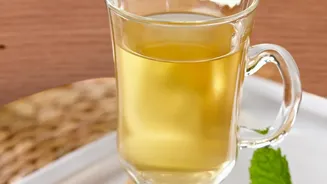
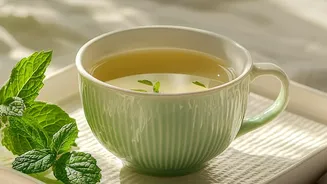
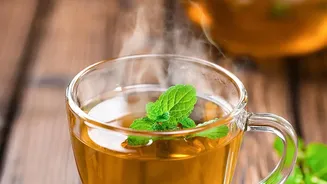
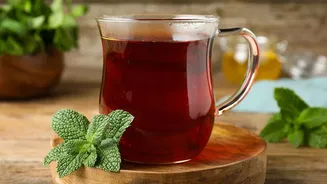
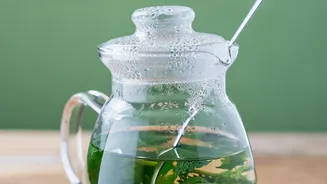
In the world of home remedies, the peppermint compress holds a special place. The idea is simple and appealing: brew a cup of peppermint tea, soak a cloth in the cooled liquid, and apply it to the skin. Anecdotally, people use this method to soothe tension
headaches by placing the compress on their forehead, to cool a feverish brow, or to ease tired, sore muscles. The claims often suggest the practice provides direct, localised relief through the natural power of mint. It’s seen as a gentle, natural, and easily accessible option for minor discomforts, passed down through generations as a trusted part of a home wellness kit.
The Key Ingredient: Understanding Menthol
To understand any potential benefits, we need to look at peppermint's star component: menthol. Menthol is the organic compound responsible for mint's characteristic cooling sensation. When applied to the skin, menthol activates specific sensory receptors (known as TRPM8 receptors) that trick your nerves into feeling cold, even though your skin temperature hasn't changed. This process, called counter-irritation, creates a new sensation that can distract from and dampen underlying pain signals. It's why menthol is a popular active ingredient in over-the-counter topical creams and gels for muscle pain and arthritis. It is this well-documented cooling and analgesic effect that forms the scientific basis for why peppermint might help with pain.
The Evidence Gap: Oil vs. Tea
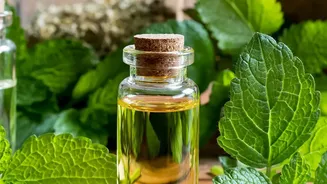
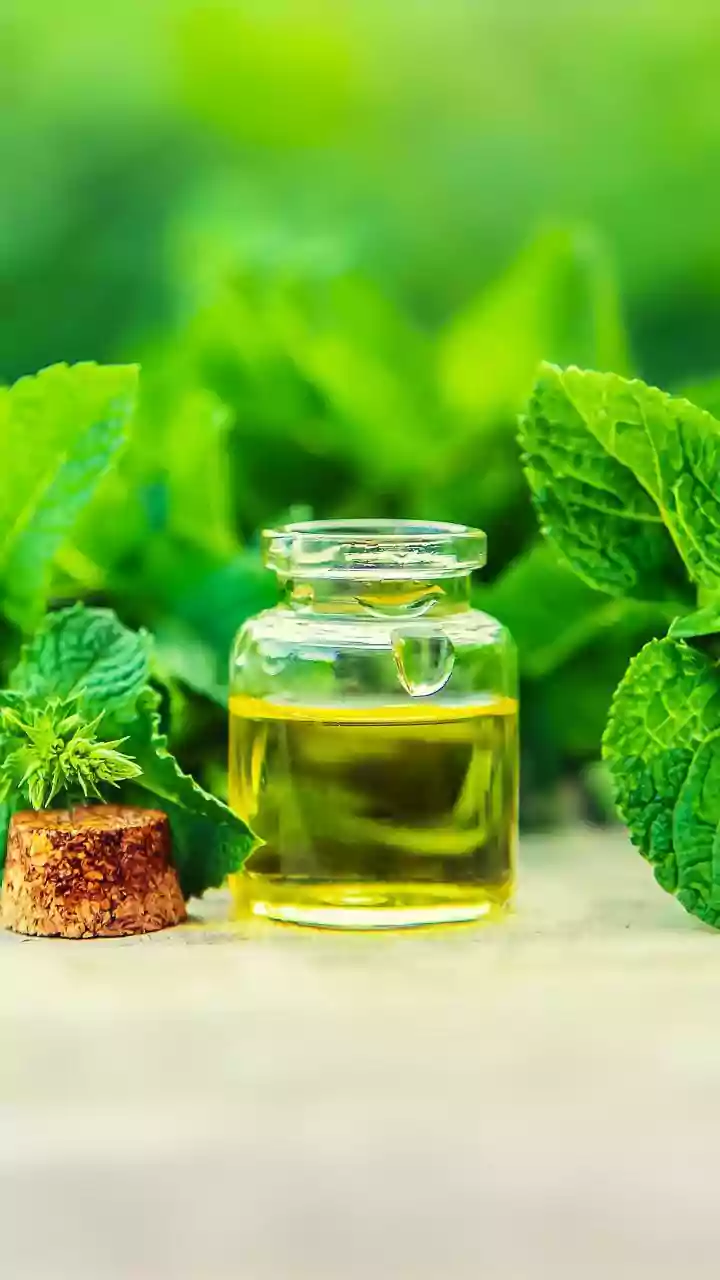
Here is where the evidence gap appears. The vast majority of scientific research has focused on concentrated peppermint oil or isolated menthol, not on peppermint tea applied to the skin. Studies have shown that topical applications of 10% peppermint oil in an ethanol solution can be effective for reducing tension headache intensity, with some research suggesting it is comparable to paracetamol. Likewise, topical menthol gels have shown moderate effects in reducing muscle soreness. However, there are virtually no clinical trials that specifically test the efficacy of a compress made from brewed peppermint tea. Peppermint oil is highly concentrated, while the amount of menthol and other volatile compounds that transfer from tea leaves into water and then onto your skin via a compress is significantly lower and harder to measure. Applying research on the potent oil directly to the diluted tea is a scientific leap.
Why It Might Still Feel Good
So if there is no direct proof, why do so many people feel that a peppermint compress works? The answer likely lies in a combination of factors. First, the placebo effect is a powerful force in pain relief; if you believe a treatment will make you feel better, it often does. Second, the physical act of applying a cool, damp cloth to the skin is genuinely soothing, especially for a headache or fever. The coolness can help constrict blood vessels and reduce sensations of throbbing pain. Finally, the aroma of peppermint itself is often associated with relaxation and stress relief. While a tea compress may not deliver a therapeutic dose of menthol, the combination of a cool temperature, gentle pressure, and calming aromatherapy can create a genuinely pleasant and comforting experience that provides temporary relief, even if the primary mechanism isn't pharmacological.
The Verdict and Safer Alternatives
For most people, using a peppermint tea compress is a low-risk home remedy. The biggest risk might be skin irritation, especially for those with sensitive skin. However, it's crucial not to confuse peppermint tea with peppermint essential oil. Undiluted essential oil should never be applied directly to the skin as it can cause burns and irritation. While a tea compress is generally safe for minor aches, it's not a substitute for evidence-based medicine. For persistent or severe headaches, muscle pain, or high fevers, relying on a home remedy could delay proper diagnosis and treatment. For tension headaches, studies support the topical application of a diluted peppermint oil solution on the temples. For muscle aches, gentle stretching, ice, and over-the-counter analgesic creams containing menthol have proven benefits.