







The Core Problem: A Success Story's Unintended Consequences
Punjab, India's granary, is facing a severe ecological crisis born from its own success. The Green Revolution transformed the state into a powerhouse for wheat and paddy (rice) production, ensuring national food security. However, this decades-long monoculture
has come at a steep cost. Paddy is an incredibly water-intensive crop, and its cultivation has led to a drastic depletion of the state's groundwater table, with over 80% of its blocks classified as over-exploited. To produce one kilogram of rice, thousands of litres of water are required. This unsustainable practice, coupled with soil degradation from the overuse of chemical fertilisers, has created an urgent need for change, pushing both farmers and the government to find a new, more sustainable path forward.
Confirmed: Financial Incentives and Alternate Crops
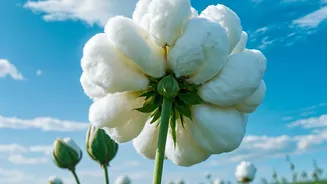
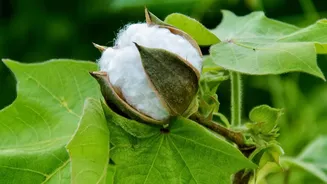
The government has put concrete plans in motion to encourage farmers to shift away from paddy. One of the main confirmed strategies is providing direct financial incentives. For the Kharif 2026-27 season, the government expanded a scheme to promote maize cultivation, offering financial assistance of ₹17,500 per hectare in 16 districts. This is part of a broader push under the Crop Diversification Programme (CDP). The focus is on less water-intensive crops like maize, pulses (like moong), oilseeds (like soybean and mustard), and cotton. There are also confirmed subsidies for purchasing specific machinery and seeds for these alternative crops to ease the transition for farmers. Both the central and state governments have acknowledged the need to work together, with the Centre agreeing to consider funding diversification on a per-acre basis to make the shift viable.
Unclear: The MSP Guarantee and Market Infrastructure
This is where the picture gets murky for farmers. While Minimum Support Price (MSP) and assured government procurement are the backbone of the wheat-paddy system, a similar guarantee for alternative crops is not yet fully in place. The government has announced MSP for crops like moong and soybean, but farmers report that in practice, a vast majority of their produce is sold to private buyers at prices well below the announced MSP. The big unanswered question is whether the government will procure these alternative crops at the same scale and with the same reliability as it does for wheat and rice. Without an assured market and guaranteed price, farmers are hesitant to risk switching from a crop that provides a stable, if modest, income. This fear is compounded by recent price crashes in crops like potato and tomato, which have eroded trust in diversification policies.
The View from the Ground: Farmer Skepticism and Practical Hurdles
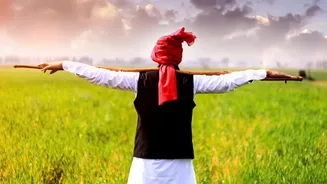
From a farmer's perspective, the decision to diversify is not just about water tables; it's about economic survival. The entire agricultural ecosystem in Punjab—from machinery and labour practices to market access—is built around wheat and rice. Shifting to a new crop like maize or cotton involves new risks, including vulnerability to different pests and diseases. Furthermore, there's a significant lack of infrastructure for alternative crops. While wheat and paddy have a well-established procurement and storage system run by the government, there is a shortage of cold storage and processing facilities for vegetables, fruits, and other less common crops. Farmer unions have urged the government to move beyond simple opposition to certain policies and instead engage in constructive dialogue to ensure any shift includes safeguards for their income and guaranteed markets.
The Road Ahead: Beyond Incentives to an Ecosystem
For crop diversification to succeed on a large scale, experts and farmers agree that the government's approach must evolve from offering temporary incentives to building a durable, supportive ecosystem. This means not only guaranteeing MSP but also investing heavily in the entire value chain: storage, food processing units, and robust market linkages that connect farmers directly to buyers. Without this comprehensive support, even well-intentioned schemes struggle to gain traction. The consensus is clear: farmers are willing to innovate and diversify, but they cannot be expected to bear all the risk. The success of Punjab's next agricultural chapter depends on whether policy can create an environment where growing alternative crops is not just ecologically necessary, but also economically secure and profitable.