






Putting the Numbers in Context
The jump in first-time buyers for India's largest carmaker is substantial. The 54% share recorded in the April-August 2026 period is a significant leap from the 42% seen in the same period just a year prior. This 12-percentage-point increase is the most
dramatic spike the company has witnessed in this buyer segment since the COVID-19 pandemic, signaling a major revival in entry-level demand. This isn't just a minor fluctuation; it's a powerful indicator that a new wave of Indian households is entering the car market, a trend that had slowed in recent years due to rising costs and economic uncertainty.
The Key Driver: A Major Tax Cut
A primary catalyst for this surge is a government policy change that directly impacted affordability. The reduction of the Goods and Services Tax (GST) on smaller vehicles—those under four meters in length—from 28% down to 18% has been a game-changer. This move, dubbed 'GST 2.0' by some in the industry, significantly lowered the on-road price of entry-level cars. For a first-time buyer, who is often highly budget-conscious, this price reduction is enough to turn the dream of car ownership into a viable reality. Maruti Suzuki's Senior Executive Officer, Rahul Bharti, noted that this policy has directly enabled the return of first-time buyers, broadening the entire market.
The Enduring Appeal of Personal Mobility
The COVID-19 pandemic fundamentally altered how people view transportation. The desire for safe, personal mobility to avoid crowded public transport has proven to be a lasting trend, not a temporary one. Many households that deferred big-ticket purchases during the uncertainty of the pandemic are now returning to the market with a clear preference for owning their own vehicle. This pent-up demand is now being unlocked, and for many, a Maruti Suzuki vehicle is the most accessible entry point into car ownership. The brand's reputation for reliability, fuel efficiency, and a vast service network makes it a default choice for those making their first major automotive purchase.
Maruti's Stronghold in the Entry-Level Segment
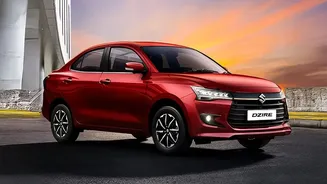
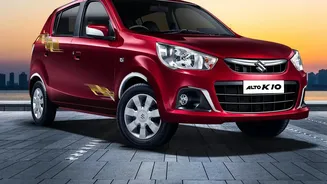
No other manufacturer in India has a portfolio as dominant in the small-car space as Maruti Suzuki. The GST cut directly benefited models like the Alto and S-Presso, which saw their sales surge by a staggering 96% between April and August. While SUVs continue to be popular, the revival of these affordable hatchbacks is the backbone of the first-time buyer boom. The sales of vehicles falling under the 18% GST slab rose 29% overall, a category where Maruti has a commanding presence with models like the WagonR, Swift, and Baleno also qualifying. This product mix positions the company perfectly to capture the wave of new buyers.
Broader Economic and Market Factors
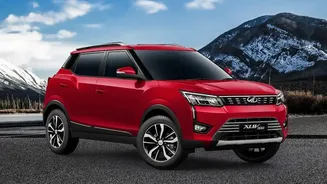
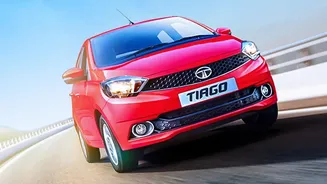
Beyond specific tax cuts and pandemic effects, other forces are at play. Improved consumer sentiment and strong rural demand have provided a significant boost. In fact, vehicle registrations in rural markets have recently outpaced those in urban centers, fueled by better access to financing and expanding dealership networks in Tier 2 and Tier 3 areas. While competitors like Tata Motors and Mahindra & Mahindra have also reported a healthy increase in first-time buyers, Maruti's sheer scale and dominance in the entry-level space allow it to benefit disproportionately from this trend.