




The Monsoon's Nutrient-Packed Gem
Singhara, also known as the water caltrop, is an aquatic vegetable that thrives in muddy or marshy areas during the rainy season, lasting into early winter. Despite its name, it isn't a nut at all. This seasonal fruit is a powerhouse of nutrition, low
in calories and fat but rich in essential nutrients. It is packed with potassium, which is beneficial for heart health and managing blood pressure, as well as fibre, which aids digestion. Water chestnuts also contain a good amount of antioxidants, Vitamin C, and B vitamins, which help boost immunity and provide energy, making them an excellent addition to your diet during a season when infections are common.
Enjoying Water Chestnuts Raw
One of the simplest ways to enjoy water chestnuts is to eat them raw. Their crisp, white flesh has a mildly sweet and juicy flavour that is incredibly refreshing. Fresh water chestnuts have a green or blackish-brown shell. To prepare them raw, you must first wash them thoroughly. Then, using a sturdy knife, peel away the tough outer skin to reveal the creamy white fruit inside. Be mindful, as the dark peel can sometimes stain your hands. Once peeled, they can be eaten as a snack on their own. For a more flavourful twist, chop the raw singhara and toss it with rock salt, black pepper, and a squeeze of lemon juice for a quick and zesty chaat. They also make a fantastic addition to salads, adding a delightful crunch that contrasts beautifully with leafy greens and other vegetables.
The Comfort of Cooked Singhara
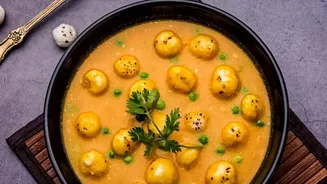
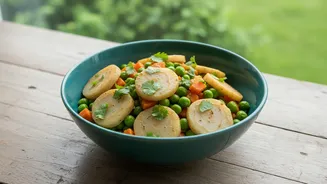
Cooking water chestnuts brings out a different dimension of their character. While they soften slightly, they famously retain a pleasant crunch, thanks to the presence of an antioxidant called ferulic acid. A popular method is to boil or roast them. Boiled singharas are easier to peel and can be enjoyed as a simple snack. For a quick weeknight sabzi, you can stir-fry peeled and chopped water chestnuts with simple Indian spices. Heat some ghee or oil, temper with cumin seeds, and then sauté the water chestnuts until they get a light golden glaze. You can season them with turmeric, pepper powder, and salt for a simple yet delicious side dish. They also hold up well in curries and soups, absorbing the flavours of the gravy without becoming mushy.
Versatile Ideas for Your Kitchen
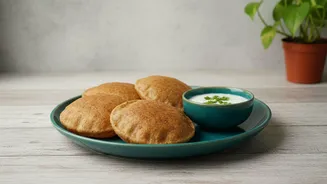
The versatility of singhara doesn't end with simple preparations. The dried fruit is ground into a flour known as 'singhare ka atta', which is gluten-free and widely used during fasting periods like Navratri. This flour can be used to make rotis, puris, and even sweets like halwa. Beyond traditional Indian cooking, water chestnuts are a staple in many Asian cuisines. You can add chopped water chestnuts to the filling for dumplings and spring rolls to provide a surprising textural element. They can also be incorporated into stir-fries with other vegetables, tofu, or chicken, pairing well with flavours like ginger, garlic, and soy sauce. Whether you're making a rich curry, a light soup, or a crunchy salad, this monsoon vegetable is a fantastic ingredient to experiment with.