







A Boom in Direct Connectivity
India's aviation market is in a period of rapid growth, with both Indian and international airlines aggressively expanding their networks. This surge is driven by strong economic growth, a large diaspora eager for better connections home, and a booming
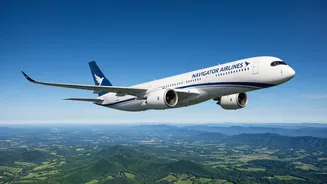
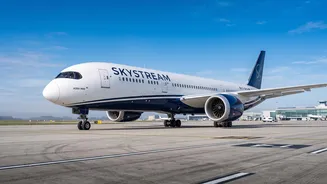
tourism sector. Airlines are responding by launching a host of new direct routes, bypassing the traditional one-stop hubs in the Middle East and Europe. For travelers, this means more choice, greater convenience, and potentially shorter journeys. This trend is a key focus for major carriers like Air India and IndiGo, which are investing heavily in new long-haul aircraft to meet the demand.
Which Airlines Are Leading the Charge?
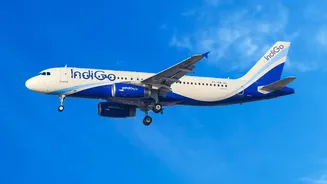
Indian carriers are at the forefront of this expansion. Air India, under its new management, is revitalizing its international network. In November 2026, the airline restored fully nonstop services on all its crucial routes from Delhi and Mumbai to the New York area (JFK and Newark), cutting travel times that had previously stretched to 22 hours back down to a much more manageable 17 hours. This was made possible by the easing of airspace restrictions that had forced a refueling stop in Rome. The airline has also added new nonstop flights from Mumbai to Toronto for the winter 2026-2027 season. Meanwhile, IndiGo is making ambitious moves into the long-haul market, aiming to have international flights account for 40% of its capacity by 2030. While its initial wide-body Airbus A350s are expected from 2028, the airline is already using its A321XLR aircraft to serve longer routes to Europe, such as Athens and Amsterdam.
New International Routes to Watch
The expansion isn't limited to just a few carriers or destinations. New routes are connecting more Indian cities to the world. Swiss International Air Lines, for example, launched a new service connecting Bengaluru with Zurich in late 2026, a first for the airline in South India. Other notable additions in 2026 include IndiGo's new services from Kolkata to Shanghai and Air India Express restarting international flights from Indore with a route to Abu Dhabi. Foreign carriers are also making a comeback, with EVA Air resuming services to India with a Taipei-Delhi route starting in December 2026. These new connections open up previously underserved markets and provide more options from cities beyond just Delhi and Mumbai.
The Unbeatable Benefits of Flying Nonstop
The most obvious advantage of a nonstop flight is saving time. A direct flight from the US to India can take around 15-17 hours, while a connecting flight can easily stretch to 20-24 hours or more. But the benefits go beyond just speed. A single, uninterrupted journey significantly reduces travel fatigue. There's no stress of navigating an unfamiliar airport for a tight connection, no extra security checks, and a much lower risk of your checked baggage being misplaced or delayed. For families traveling with children, senior citizens, or business travelers on a tight schedule, the convenience and simplicity of a nonstop flight are often worth the premium.
What to Consider Before You Book
While nonstop flights offer unparalleled convenience, they often come at a higher price point compared to one-stop options. However, the increased competition on these routes could lead to more competitive pricing over time. It's also important to verify that a flight listed as 'direct' is also 'nonstop'. A direct flight may still include a technical stop for refueling where you don't change planes, as was the case with some Air India flights to the US earlier in 2026. Always double-check the flight details before booking. For the best fares, book several weeks in advance and be flexible with your travel dates if possible. Using fare comparison websites can help you weigh the cost difference between a nonstop and a one-stop journey.