


The Allure and the Reality
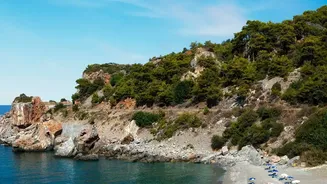
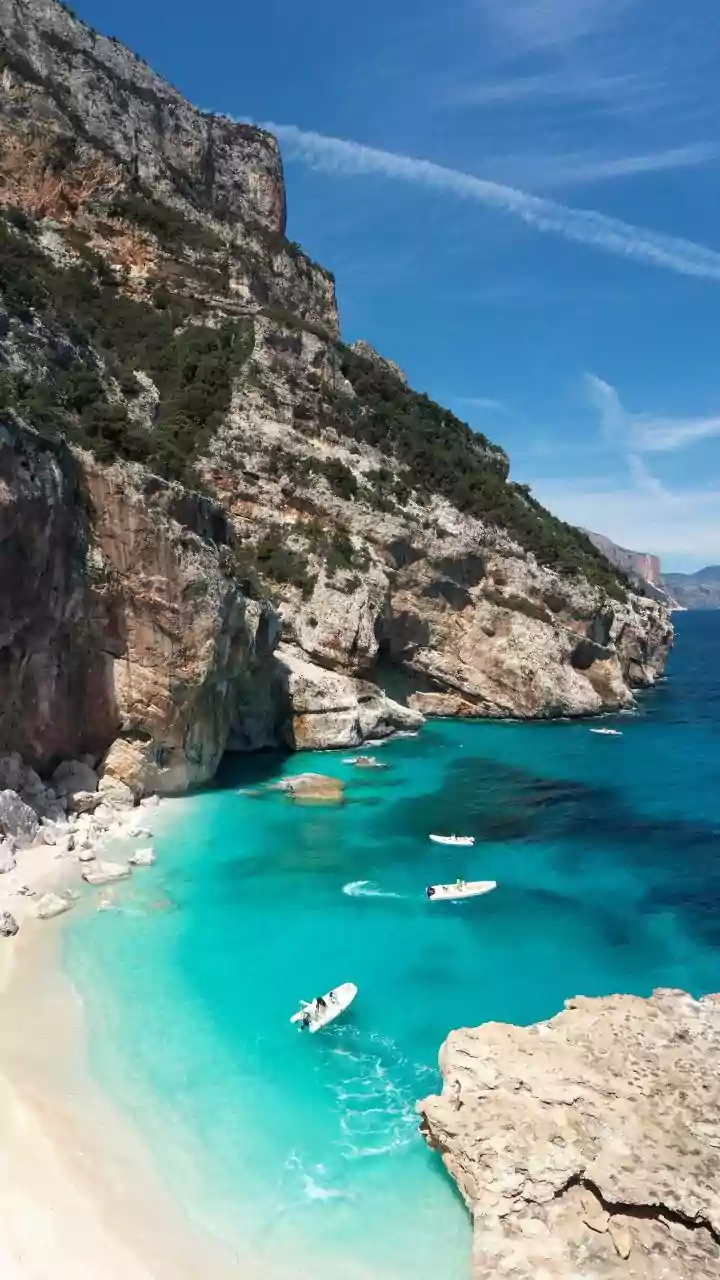
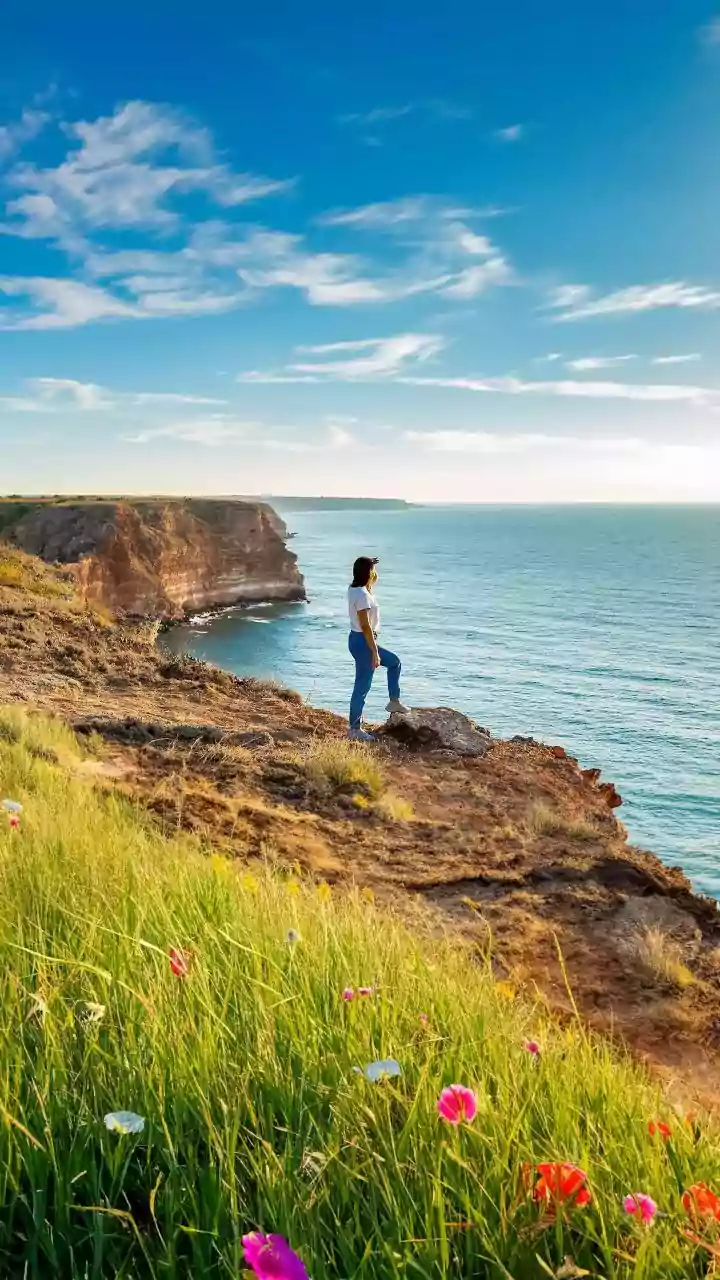
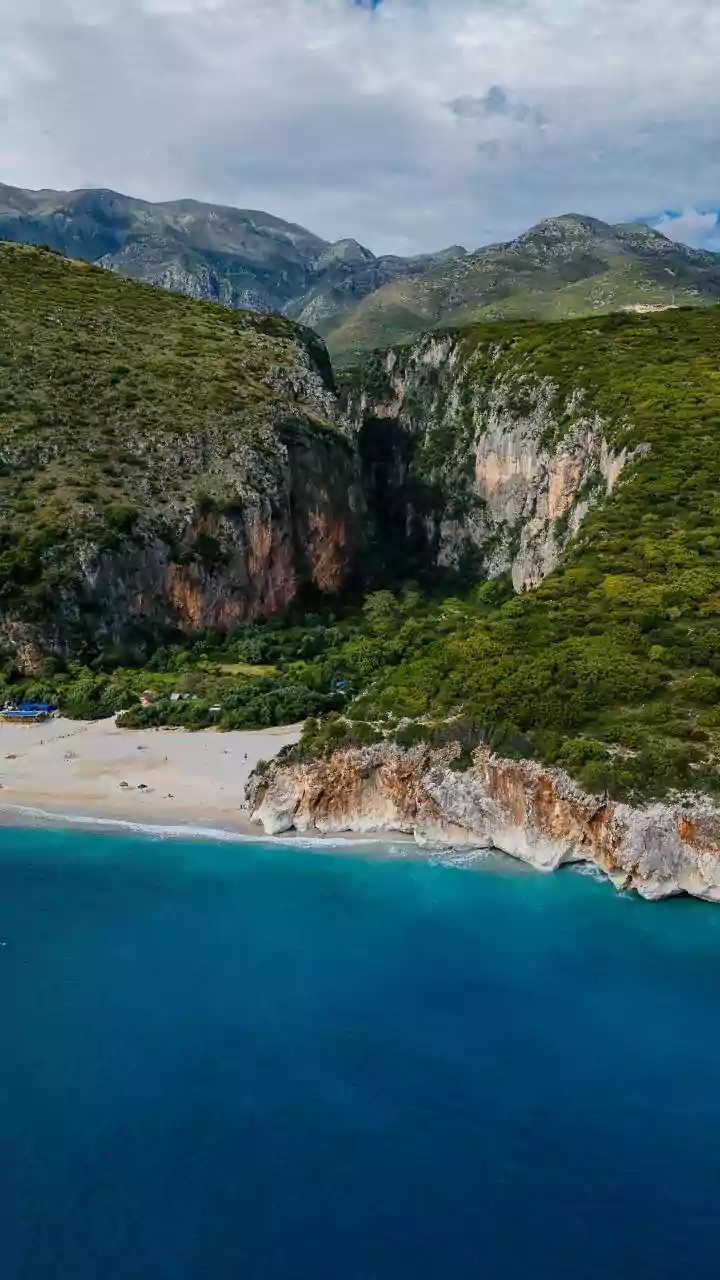
The golden cliffs and turquoise waters of the Algarve's secluded beaches are the stuff of travel dreams. Photos of spots like Praia da Marinha and the iconic Benagil Cave dominate social media feeds, promising pristine sand and peaceful solitude away
from the bustling resort towns. Many of these coves are nestled between towering limestone rock formations, accessible only by boat, steep staircases cut into the cliffs, or even tunnels carved through the rock. This sense of discovery is a huge part of their appeal. However, the untamed beauty comes with inherent risks that are often overlooked. The same forces of nature that sculpted these stunning landscapes—powerful tides and coastal erosion—are active and unpredictable, requiring visitors to be well-prepared.
The Danger of Tides and Currents
One of the most significant dangers is the Atlantic's dramatic tidal changes. A wide, sandy path to an adjacent cove at low tide can disappear completely within hours, leaving explorers stranded. Every year, emergency services rescue visitors who get cut off by the rising water. Furthermore, strong rip currents are common along the Portuguese coast and can be incredibly dangerous. These powerful channels of water can pull even strong swimmers away from the shore. In unsupervised areas, with no lifeguards to warn of the danger, a peaceful swim can quickly turn perilous. It’s crucial to check tide times before setting out to explore any beach, especially those with connecting caves or limited access points.
Unstable Cliffs and the Risk of Rockfall
The beautiful limestone cliffs that define the Algarve's coastline are in a constant state of erosion. Rockfalls are an intermittent but serious hazard, and their timing is impossible to predict. Authorities often place warning signs in high-risk areas, and ignoring them can lead to fines. In recent years, significant cliff collapses have been recorded, sometimes destroying access points to beaches like Praia do Pinhão in Lagos. Storms and natural weather patterns accelerate this erosion. While the shade from a cliff might seem inviting, official advice is to always maintain a safe distance and never set up your towel directly underneath an overhang. The danger is real, and respecting the warning signs is essential for your safety.
Navigating Difficult and Hidden Access
Many of the most pristine coves are hard to reach for a reason. Access might involve navigating winding dirt tracks, steep and slippery paths, or long sets of stairs. For example, reaching Praia da Ursa near Sintra requires descending a steep, slippery trail, while Praia do Carvalho is accessed via a spectacular tunnel cut into the rock. Some beaches have no formal access at all and can only be reached by boat or kayak. These journeys demand proper footwear and a reasonable level of physical fitness. Attempting these routes in flip-flops is a recipe for a twisted ankle or worse. Before heading out, research the specific access for the beach you plan to visit and be honest about your physical capabilities.
A Traveller's Checklist for Safe Exploration
To enjoy Portugal's hidden gems safely and responsibly, careful planning is key. First, always check tide times and the weather forecast before you go. Choose beaches with lifeguards during the official bathing season whenever possible and pay attention to the flag system. Wear sturdy shoes for the journey, not just for the beach itself. Pack plenty of water, sunscreen, and a fully charged phone. Always tell someone where you are going and when you expect to return. Finally, be mindful of the environment. The reason these coves are so special is their pristine nature. Stick to marked paths to avoid contributing to erosion, take all your litter home, and respect the local wildlife to help preserve these beautiful places for years to come.