

A Cosmic Lion's Roar
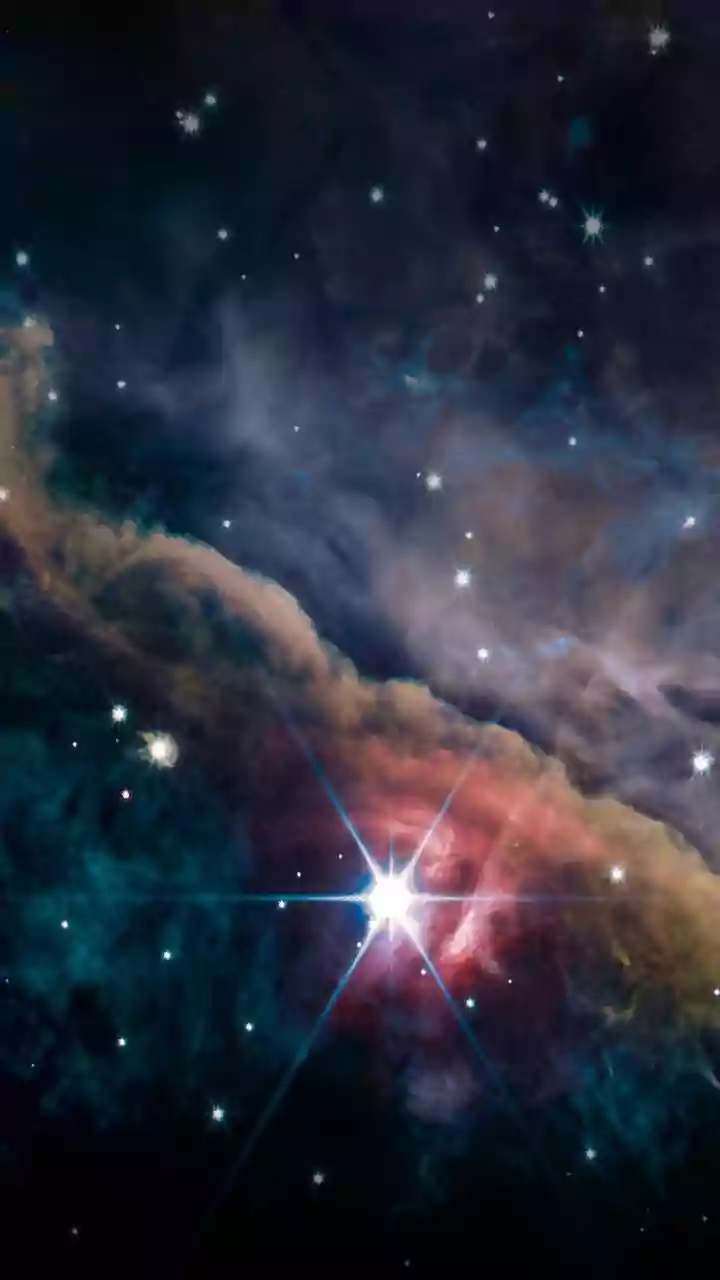
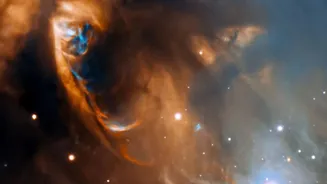
The new image of the Lion Nebula, formally known as NGC 2392, is a symphony of light and texture. At its heart sits a brilliant white dwarf star, the remnant of a star that was once much like our sun. This stellar core, looking like the nose of a lion,
is furiously blasting radiation into space. This energy carves a massive bubble in the surrounding gas, creating a shape that resembles a lion's face. Wrapped around this face is the spectacular "mane" — a vast, intricate structure of gas and dust illuminated by the central star. Webb’s image, a composite of near- and mid-infrared light, reveals this mane not as a uniform cloud, but as a collection of delicate tendrils, dense clumps of surviving dust, and hazy shells of ionized gas. The stunning purples, blues, and oranges in the processed image represent different chemical and physical conditions within the nebula, giving astronomers a detailed map of this celestial masterpiece.
The Life and Death of a Star
The Lion Nebula is a classic example of a planetary nebula, a name that is a bit of a historical misnomer, as it has nothing to do with planets. Instead, it is the beautiful shroud created when a low-mass star, like our Sun, reaches the end of its life. After exhausting the hydrogen fuel in its core, the star becomes unstable and begins to shed its outer layers into space. These ejected layers of gas and dust expand outward over thousands of years. The hot, dense core left behind, now a white dwarf, irradiates this expanding cloud, causing it to glow brightly. The image from Webb captures a snapshot of this process. The distinct layers and filaments we see are a fossil record of the star's death throes, showing how its powerful radiation and stellar winds have sculpted the material it once cast off. This process is responsible for creating much of the cosmic dust seen throughout the universe.
Why Webb's View Is a Game-Changer
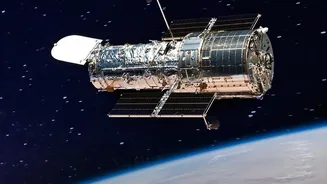
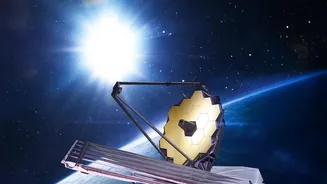
While the Hubble Space Telescope gave us a memorable view of the Lion Nebula in 2000, Webb’s instruments see the universe in a different light—literally. By observing in infrared wavelengths, Webb can pierce through the dense clouds of dust that obscure the view of traditional telescopes. This allows it to see the finer, more delicate structures within the nebula's mane that were previously hidden. The combination of its Near-Infrared Camera (NIRCam) and Mid-Infrared Instrument (MIRI) provides an incredibly detailed look at the different components of the nebula. NIRCam is excellent at mapping the hotter, ionized gas, while MIRI excels at revealing the cooler, denser dust clumps. These surviving clumps of dust, appearing as red and orange features, are particularly interesting to scientists because they are protecting the material behind them from the star's harsh radiation. This multi-wavelength view gives a much more complete picture of the ongoing battle between the star's destructive energy and the resilience of the surrounding matter.
Unlocking Secrets of Stellar Evolution
Beyond its sheer beauty, this new image of NGC 2392 is a treasure trove of scientific data. It provides a laboratory for studying the final stages of stellar evolution in stunning detail. By analyzing the shape, composition, and temperature of the different layers, astronomers can refine their models of how stars like our Sun will die in the distant future. The image shows how the powerful radiation from the white dwarf is destroying some of the dust while other filaments manage to survive, a dynamic process that enriches the galaxy with heavier elements forged inside the star. These elements, including silicon, oxygen, and carbon, become the raw materials for the next generation of stars and planets. In essence, by studying the death of this star, we are learning more about the cosmic recycling program that makes life itself possible. The Lion Nebula will not keep its majestic shape forever; astronomers estimate it will disperse into interstellar space in about 10,000 years, a fleeting moment on a cosmic timescale.