


The Science of Smoothness
To understand how oils work, you first need to understand your hair's structure. Each strand is protected by an outer layer called the cuticle, which is made of overlapping scales, like shingles on a roof. When hair is healthy, these cuticles lie flat,
creating a smooth, reflective surface. However, daily wear and tear from combing, washing, and environmental factors can lift and damage these scales. This creates a rougher surface, increasing friction between individual strands. This friction is what leads to tangles, frizz, and a dull appearance. Sebum, the natural oil produced by your scalp, is meant to coat the hair and keep this cuticle layer smooth, but frequent washing or natural dryness can leave your ends unprotected.
How Hair Oils Reduce Friction
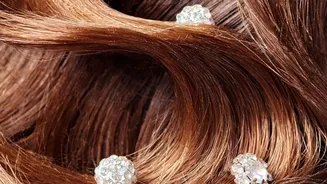
Hair oils step in to mimic and supplement the role of your natural sebum. Their primary function is to form a lubricating, protective barrier along the hair shaft. This coating smooths down the raised cuticle scales, effectively filling in the microscopic gaps. With a flatter, more uniform surface, hair strands glide past one another with significantly less friction, which reduces tangling and the risk of breakage. This smoothing effect is what gives hair that desirable silky feel and glossy shine. Furthermore, because oils are hydrophobic (they repel water), they help seal in moisture from your conditioner while preventing the hair shaft from absorbing excess humidity from the air, a common cause of frizz.
Penetrating vs. Sealing Oils
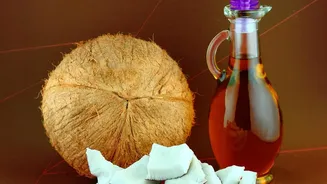
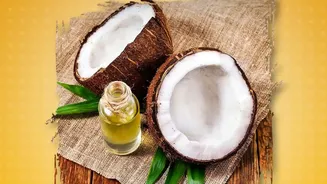
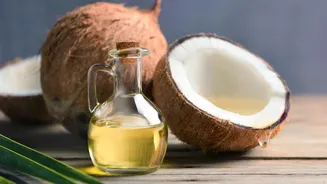
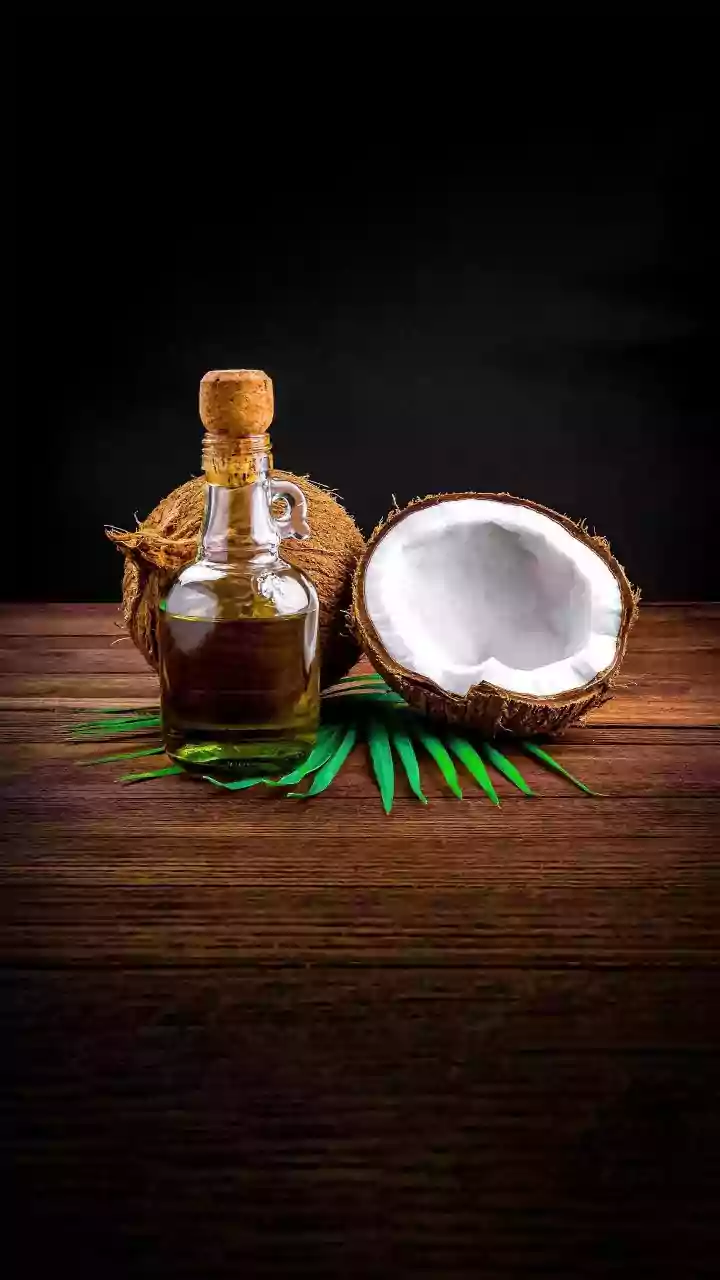
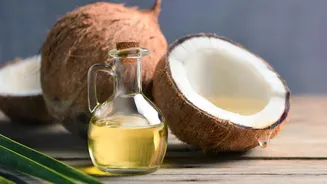
Not all oils are created equal; they fall into two main categories based on their molecular structure. Penetrating oils, like coconut, argan, and avocado oil, have smaller molecules that can seep past the cuticle and into the hair's inner cortex. These oils work from the inside to reduce protein loss and improve elasticity, making hair more resilient. Sealing oils, such as jojoba, grapeseed, and castor oil, have larger molecules that sit on the surface of the hair. Their job is to form a protective film that locks in moisture applied from water-based products and provides that friction-reducing slip. For a comprehensive routine, many experts suggest using a combination of both types.
Choosing the Right Oil for You
The best oil for your hair depends on its type and porosity. Fine or thin hair benefits most from lightweight oils like argan, jojoba, or grapeseed oil, which provide shine and smoothness without weighing the hair down. Those with thick, coarse, curly, or dry hair can handle heavier oils. Penetrating oils like coconut oil are excellent for repairing damage and protein loss in high-porosity hair. Meanwhile, low-porosity hair, which has a tightly bound cuticle, may do better with warmed, smaller-molecule oils like argan that can be absorbed more easily.
The Art of Application
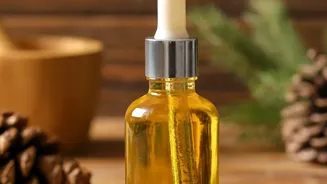
How you apply hair oil is just as important as which one you choose. A little goes a long way, so always start with a few drops, warm the oil between your palms, and build up if needed. For best results, focus the application on the mid-lengths and ends, as this is the oldest and typically driest part of your hair. Applying oil to damp hair helps it spread more evenly and can enhance penetration, sealing in the water from your shower. When applied to dry hair, oil acts more as a finisher to tame flyaways, add shine, and provide a final layer of protection against friction. For a deep conditioning effect, you can also use oil as a pre-shampoo treatment, leaving it in for at least 30 minutes before washing.