


The Semolina Standard: Rava Upma
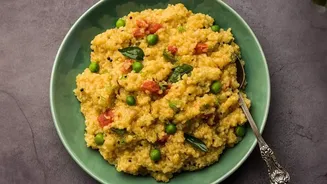
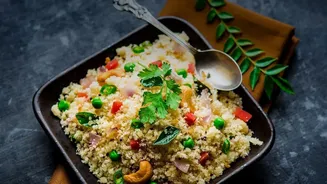
For most, upma is synonymous with rava, or semolina. When roasted properly, it yields a light, fluffy texture that readily absorbs the flavours of ginger, curry leaves, and mustard seeds. Made from durum wheat, it's quick to cook and offers a familiar
comfort that’s hard to beat. The key is to dry roast the rava until it’s fragrant, which prevents lumps and ensures a grainy, non-sticky consistency. This version is the perfect canvas, pairing beautifully with classic vegetables like onions, carrots, and green peas, which add moisture and a hint of sweetness to the savoury base.
The Earthy Alternative: Millet Upma
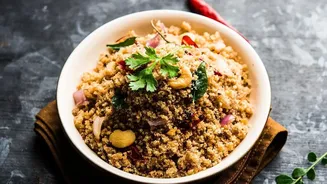
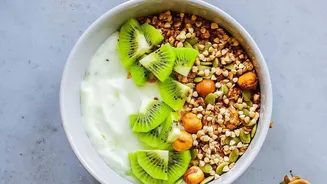
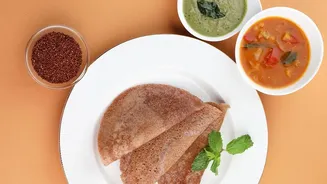
For a gluten-free and nutrient-dense alternative, millets are an excellent choice. Varieties like foxtail millet or little millet bring an earthy, slightly nutty flavour to the dish. Unlike semolina, millets often require a short soaking time of about 15 to 30 minutes before cooking. This ensures they cook evenly and become tender. The texture is distinct from rava upma—less fluffy and more like a hearty porridge with separate, defined grains. Millet upma is particularly good for those seeking a breakfast that is high in fibre and provides sustained energy. Sautéing the soaked millet with the tempering and vegetables before adding water helps enhance its flavour.
The Quick and Creamy: Oats Upma
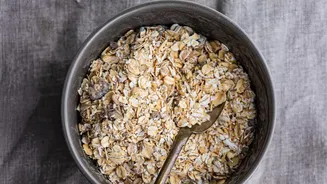
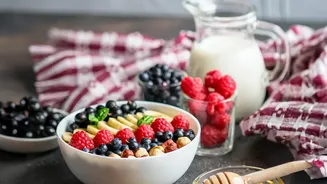
If you're short on time, oats upma is your answer. Ready in about 15 minutes, it’s a wholesome and incredibly fast breakfast. Using rolled oats or quick-cooking oats results in a softer, creamier texture compared to the granular feel of rava. It’s essentially an Indian-style savoury porridge. For best results, lightly roast the oats for a couple of minutes to prevent them from becoming too mushy. Because oats absorb a lot of liquid, the ratio of water is crucial and might need adjustment depending on the type of oats used. This variation is naturally vegan if you use oil instead of ghee and is a fantastic way to pack in fibre.
The Protein Punch: Quinoa Upma
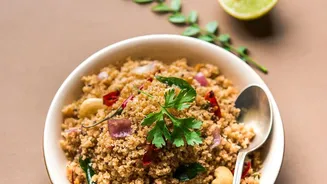
Embracing a modern health trend, quinoa upma offers a complete protein profile and a unique texture. Quinoa has a slightly bitter natural coating that must be rinsed thoroughly before cooking. Once cooked, the tiny seeds 'pop' to reveal a delicate, slightly chewy texture that’s very different from traditional upma. The key to a fluffy quinoa upma is the grain-to-water ratio, which is typically 1:2. It pairs well with a host of vegetables and the standard tempering of mustard seeds, lentils, and curry leaves. It's a great gluten-free option that transforms upma from a simple breakfast into a protein-packed meal.
The Hearty Choice: Broken Wheat (Dalia) Upma
Broken wheat, or dalia, creates a rustic, hearty, and extremely satisfying upma. It has a distinctly chewy texture and nutty flavour. As a complex carbohydrate, it provides slow-release energy, making it an excellent choice for a filling breakfast that keeps you full for longer. Dalia upma is packed with fibre and nutrients. Like rava, roasting the broken wheat before cooking enhances its flavour and texture. It absorbs more water than semolina and takes a bit longer to cook, but the resulting wholesome and comforting meal is well worth the extra few minutes.
Mastering the Mix: Vegetable Additions
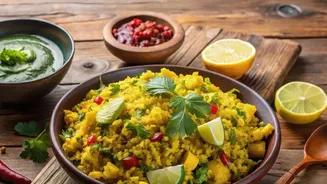
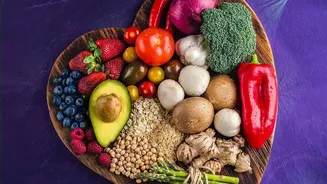
While the grain is the foundation, vegetables are what truly elevate upma. The classic combination of finely chopped onions, carrots, and green peas offers a balanced sweetness and texture. But there's no need to stop there. French beans add a delightful crunch, while tomatoes bring a welcome tanginess. For a different profile, try adding sweet corn kernels, diced bell peppers for colour and flavour, or even broccoli and cauliflower florets for added nutrition. Each vegetable changes the dish's character, turning a simple recipe into something new every time.