


Why Fermented Foods Shine During Monsoon
During the rainy season, our digestive system can become more sensitive. High humidity can slow down our digestive fire, and the risk of water and foodborne infections increases. This is where fermented foods come in. The process of fermentation breaks
down complex compounds in food, making them easier to digest. More importantly, they are a natural source of probiotics—beneficial bacteria that support a healthy gut. A balanced gut microbiome is crucial for good digestion and bolstering your immunity, which can naturally take a dip during this season. Instead of seeing them as a magic cure, think of fermented foods as a sensible, traditional way to support your body's natural defences when it needs it most.
Exploring India’s Fermented Pantry
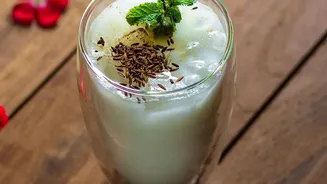
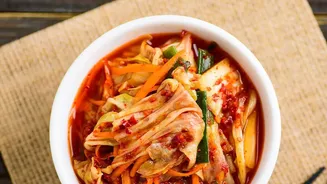
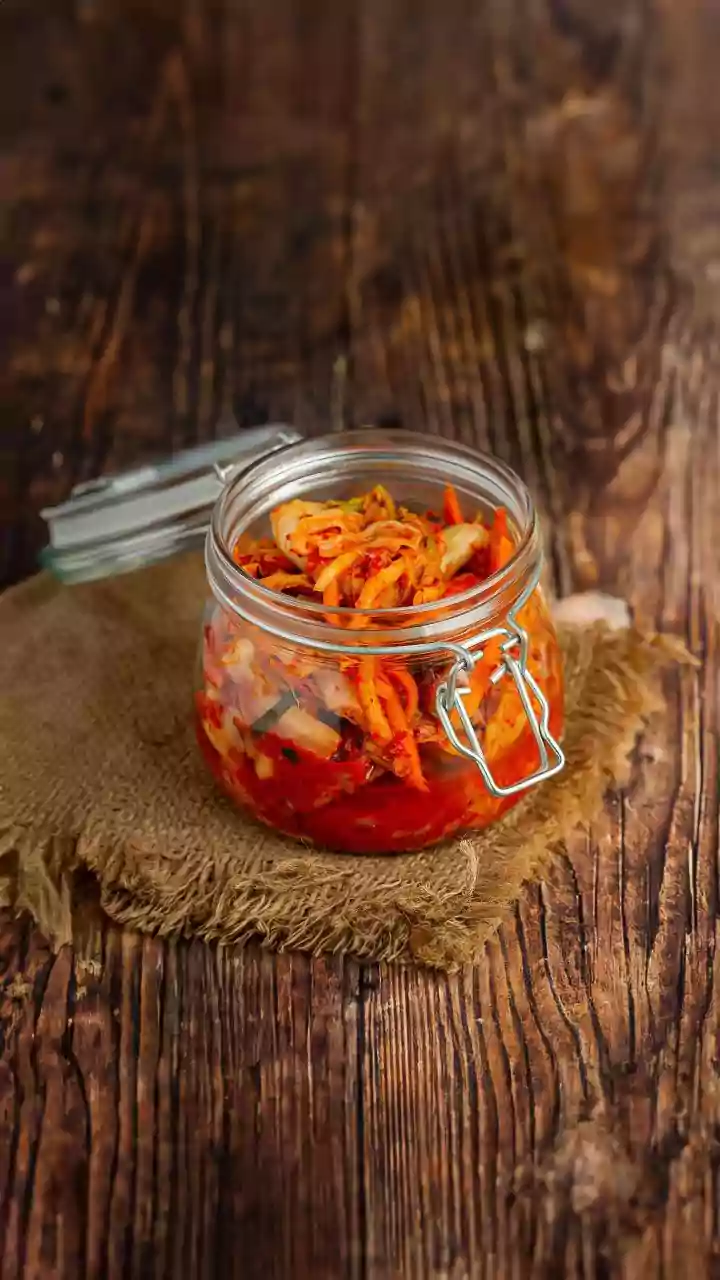
When we think of fermented food, dahi (curd) is often the first thing that comes to mind. It's a fantastic staple, but India's culinary heritage offers a much wider variety. South Indian staples like idli and dosa are made from a batter of rice and lentils fermented overnight, making them incredibly light and easy on the stomach. In Gujarat, the fluffy, savoury dhokla is made from a fermented batter of chickpea flour. From the north, there is Kanji, a tangy, probiotic drink traditionally made by fermenting black carrots and mustard seeds. And let's not forget the vast world of homemade pickles (achaar), where vegetables are lacto-fermented, a process that creates beneficial bacteria.
The Gut Health Link: Simple and Sensible
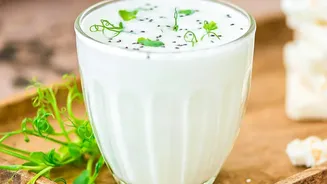
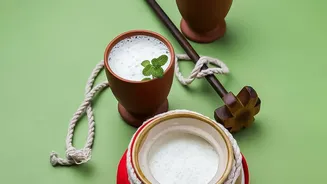
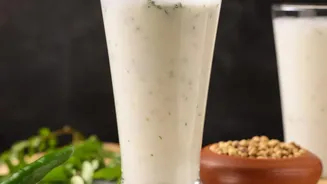
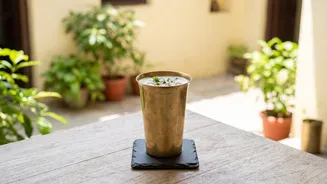
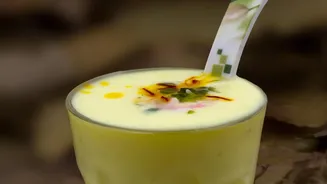
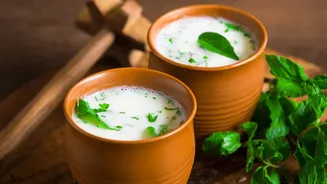
You don't need 'superfoods' or exotic ingredients to look after your gut. The probiotics in everyday foods like buttermilk (chaas) and dahi are excellent for maintaining a healthy balance of gut flora. These good bacteria help in several ways: they aid in breaking down food, assist in nutrient absorption, and help prevent harmful bacteria from taking over. During the monsoon, when issues like bloating and indigestion are common, a glass of chaas after a meal can be very soothing. The light, fermented nature of dishes like idli makes them a perfect breakfast or light meal, providing energy without feeling heavy. It’s a practical approach, not a miraculous one.
Easy Ways to Add Them to Your Meals
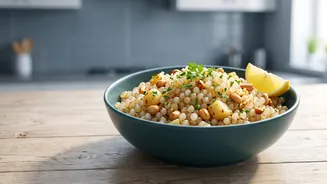
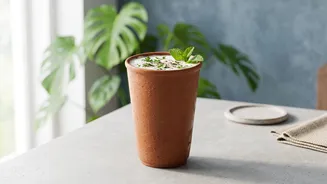
Incorporating these foods into your diet is simpler than you think. Start your day with steamed idlis or a dosa. Have a small bowl of fresh, homemade dahi with your lunch. A glass of spiced buttermilk in the afternoon can be a refreshing and hydrating digestive aid. Use a spoonful of traditional, salt-brined pickle as a condiment to add a burst of flavour to your dal and rice—it's a flavour enhancer and a probiotic source in one. You can even make a simple fermented rice dish, known as Panta Bhat in Bengal, by soaking leftover cooked rice in water overnight and eating it the next day with salt and a green chilli.
A Note on Safety and Preparation
While fermented foods are beneficial, hygiene is paramount, especially during the monsoon. The humidity that helps fermentation can also encourage the growth of unwanted microbes if care is not taken. Always use clean utensils and storage containers. When making curd or batter at home, ensure it is stored in a clean, covered vessel. It’s best to consume freshly prepared fermented foods. For instance, idli or dosa batter should be used within a day or two. The myth that one should avoid curd during the rains is unfounded; in fact, fresh, well-prepared curd is beneficial for gut health and immunity. The key is freshness and proper handling, not avoidance.