







The Age-Old Problem of Popularity
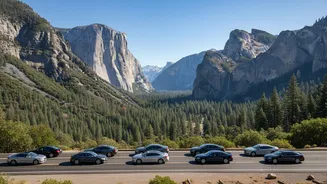
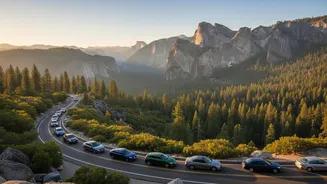
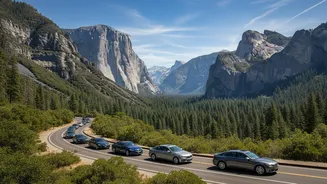
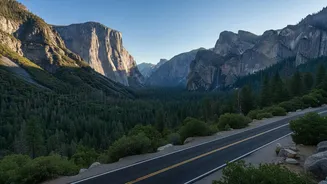
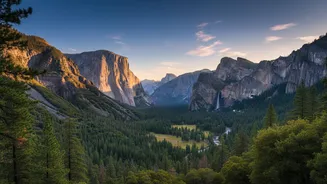
Yosemite National Park, a jewel of natural beauty, welcomes over four million visitors each year. This immense popularity, especially during peak seasons from spring through fall, often leads to a less-than-serene experience. Visitors frequently encounter
long traffic delays at entrance stations, extremely limited parking, and congested roads within the park itself. For years, park management has experimented with various solutions, including pilot reservation systems, to manage the influx of vehicles and preserve both the environment and the visitor experience. The fundamental challenge remains: how to allow people to enjoy the park without being overwhelmed by the logistics of getting there.
A Digital Lifeline for Visitors
In a significant step towards a modern solution, Yosemite is set to receive funding to develop an AI-driven communication system. This initiative is part of a larger $10 million grant from the National Park Foundation, which is supporting technology upgrades at 21 national parks across the United States. The project for Yosemite, called the Integrated Visitor Information (IVI) Project, aims to give visitors the one thing they need most: real-time information. The goal is to create a system that can deliver automatic updates on everything from parking availability and road status to wait times at entrance gates.
How Smart Technology Will Work
The proposed system will use a network of smart cameras, sensors, and AI-driven automation. These sensors will be placed strategically to monitor traffic flow and count available parking spaces in real time. This data will then be processed and disseminated to visitors across multiple platforms. Imagine receiving an alert on a park app or seeing a digital sign on the highway informing you that a particular parking lot is full, allowing you to change your plans before you get stuck. Park officials state that this technology will allow visitors to plan their trips and navigate the park more confidently and efficiently, reducing the time spent in cars and the associated stress.
Benefits Beyond Beating the Traffic
While the immediate benefit for tourists is convenience, the positive impacts run deeper. Reducing traffic congestion and idling cars helps lower carbon emissions, contributing to the preservation of Yosemite's pristine air quality. A smoother flow of visitors can also lessen the environmental strain on the park's most popular areas. Furthermore, by giving people reliable information, the park can help distribute visitors more evenly, potentially encouraging them to explore less-crowded areas they might have otherwise missed. This not only improves the experience for everyone but also supports the National Park Service's core mission of protecting these natural wonders for future generations.
A Blueprint for Global Tourist Hotspots?
Yosemite's move into smart-park technology is still in its conceptual phase, with the grant funding the exploration and testing of various tools. However, its success could create a valuable blueprint for other over-crowded tourist destinations worldwide, including many in India. From the packed roads leading to hill stations to the queues at historical monuments, managing large crowds is a universal challenge. The use of affordable sensors and AI to provide real-time data could be a game-changer. This project is not just about upgrading a single park; it's about testing a new model for sustainable tourism where technology helps people connect with nature more harmoniously.