

The Science of Ripening: It's All About Gas
To understand banana storage, you first have to understand the science of banana ripening. The key player is a natural plant hormone called ethylene gas. Bananas, like many other fruits, produce ethylene as they mature. When a banana is green, it's firm
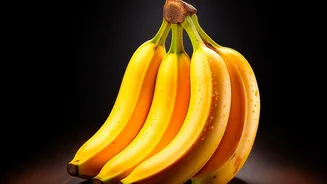
and starchy. As it produces more ethylene, enzymes are triggered that convert these starches into sugars, making the fruit sweeter, softer, and more fragrant. This process is a one-way street; once it starts, it continues until the banana is perfectly yellow, then speckled with brown, and eventually, completely brown and overripe.
Before They're Ripe: Storing Green Bananas
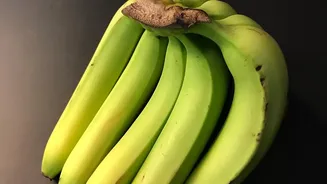
If you bring home a bunch of green bananas, your primary goal is to let them ripen properly. The best place for this is at room temperature, on your kitchen counter, away from direct sunlight. Crucially, do not put unripe, green bananas in the refrigerator. The cold temperature will effectively halt the ripening process. Chilling disrupts the enzymes responsible for converting starch to sugar. While the peel might not change colour much, the fruit inside will remain starchy, firm, and lack the sweetness you expect from a ripe banana. In essence, you'll have a permanently under-ripe banana, which is a culinary disappointment for everyone involved.
After They're Ripe: The Refrigerator Is Your Friend
Once your bananas have reached your preferred level of yellow ripeness, it's time to change your strategy. This is when the refrigerator becomes your greatest ally in preservation. Moving ripe bananas to the fridge significantly slows down the ethylene production and the ripening process. This allows you to hold them at that perfect stage of ripeness for several more days, sometimes even up to a week. Don't be alarmed when the peel turns dark brown or even black in the cold; this is a normal reaction and does not mean the fruit inside has spoiled.
Understanding the Black Peel
The dramatic blackening of a banana peel in the fridge is often what leads people to believe they shouldn't be refrigerated. However, this is purely a cosmetic issue. The cold temperature causes a breakdown of the pigments in the peel's cells, leading to the dark colour. But the fruit inside is protected from this effect. While the peel looks unappetizing, the banana flesh remains firm, creamy, and sweet—perfect for your morning cereal or as a snack. Simply peel away the dark skin to reveal the perfectly preserved fruit within.
Bonus Tips for Banana Longevity
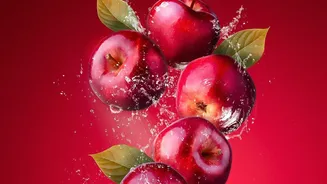
Want to take your banana game to the next level? Here are a few extra tips. To speed up ripening, place green bananas in a paper bag with an apple or a ripe tomato; the trapped ethylene gas from the other fruit will give them a boost. To slow down ripening on the counter, you can try separating the bananas from the bunch and wrapping each stem in plastic wrap. This helps to contain the ethylene gas that escapes from the stems. And if your bananas do become overripe, don't throw them away. Peel them, pop them in a freezer-safe bag, and they'll be perfect for smoothies or future banana bread projects.