





Watch Out For These Signs To Spot Overrated Travel Spots
Learn the key signs that a travel destination might be overrated, from inauthentic experiences to the Instagram vs. reality gap.
The 'Instagram vs. Reality' Effect
The most common red flag is a destination that seems to exist solely for social media. If every image you see is a highly polished,
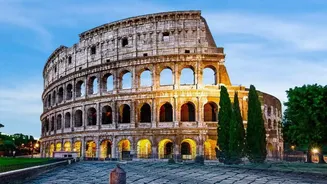
perfectly angled shot with no people in sight, be skeptical. The reality behind that serene waterfall or empty ancient ruin is often a massive queue of people waiting to take the exact same photo. Research from multiple sources, including blogs and recent unfiltered reviews, can reveal the true picture, which often includes crowds, trash, and less-than-ideal conditions that get edited out of a viral post.
Local Life is Hard to Find
A great destination feels like a living place, not a theme park. If you arrive and find that residential areas have been hollowed out, replaced entirely by souvenir shops, tourist-focused restaurants, and short-term rentals, it's a major sign of overtourism. In these places, it becomes difficult to find authentic local culture or interact with residents who aren't part of the tourist machine. Protests by locals against tourism, rising housing costs that push residents out, and a general feeling that the community has become a 'playground' for visitors are all symptoms of a place that has lost its balance.
Authenticity Feels Staged
Beware of 'cultural experiences' that feel more like a performance than a genuine tradition. This can range from costumed characters aggressively encouraging photos to cultural practices that have been simplified and commercialized for tourist consumption. When traditions are repackaged for commercial gain, they often lose their true meaning, a process known as the commodification of culture. A truly authentic experience is often found away from the main tourist hubs, in neighbourhoods where local life continues unspoiled by the constant demand for entertainment.
Everything Is Disproportionately Expensive
While popular places are naturally pricier, there's a difference between expensive and exploitative. A key sign of a tourist trap is when the cost of basic items like water, a simple meal, or entry fees feels wildly inflated for the value you receive. Restaurants with huge, multi-language menus and glossy food photos are often a giveaway. These establishments cater exclusively to tourists who don't know the local price points. High prices combined with mediocre quality is a classic sign that a destination's primary goal is to extract as much money from visitors as possible.
The Main Attraction is a Queue
Some level of waiting is expected at world-famous landmarks. But if the primary experience of visiting a city’s top sites consists of spending hours in line, it's a sign that the destination's infrastructure can't handle the volume of visitors. This issue is often compounded by the fact that once you finally get in, the space is so crowded that it's impossible to appreciate what you came to see. A destination that leaves you feeling more exhausted from waiting than inspired by its attractions may not be delivering a worthwhile experience.
It's Famous Only for Being Famous
Some places become bucket-list items simply because they are famous, not because they offer a rich or unique experience. Think of a monument that is famous for being a spot where four states meet, but offers little else to do once you've taken the requisite photo. These locations often lack deeper cultural or historical significance beyond their gimmick. Before you book a trip, ask yourself what you'll actually do when you get there. If the answer is just 'take a picture', you might want to look for an alternative with more substance.