






From Pantry Car to App Cart
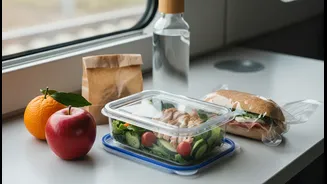
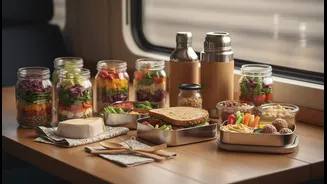
For decades, the Indian train journey had its own culinary rhythm. You either packed food from home, relied on the limited menu of the pantry car, or took your chances with vendors during brief station stops. While nostalgic, this system often fell short
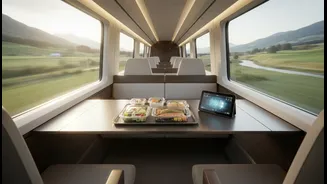
on hygiene, variety, and reliability. Today, that landscape is being rapidly redrawn by technology. The rise of e-catering, led by IRCTC and a host of authorised private players, has put a virtual food court at every passenger's fingertips. This shift marks one of the most significant upgrades to the passenger experience in recent years, moving from a system of limited supply to one of abundant choice.
How It Works: Your Favourite Restaurant on Rails
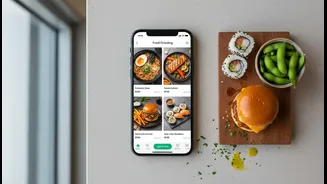
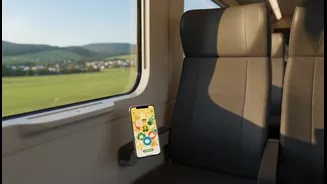
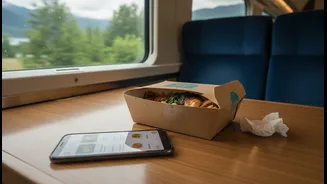
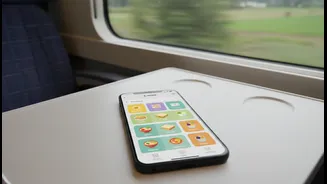
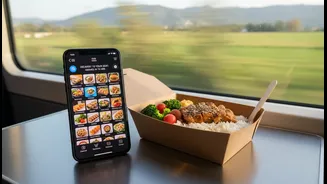
The process is surprisingly simple. Using your PNR number, you can access a world of culinary options through the official IRCTC eCatering 'Food on Track' app or authorised aggregator apps like Zoop, RailRestro, and even major players like Swiggy. Once you enter your PNR, the app identifies your train, route, and upcoming stations. You can then browse menus from FSSAI-approved restaurants located near these stations, place an order, and pay online or choose cash on delivery. The meal is then prepared fresh and delivered directly to your seat when the train makes its scheduled stop, turning a brief halt into a convenient delivery window.
The Upsides: More Than Just Biryani
The most obvious benefit is the sheer variety. Passengers are no longer stuck with a standard thali. Craving a pizza, a regional delicacy like a Bengali Fish Thali, or a specific dietary meal like Jain food? It’s now just a few taps away. This has been a game-changer for families with children, health-conscious travellers, and those with specific dietary needs. Recent data shows the incredible diversity of orders, with one platform reporting over four lakh rotis ordered during the summer months alongside a surge in demand for everything from masala dosa to mango lassi. This service is also boosting local economies by connecting station-side restaurants to a massive, transient customer base. Moreover, the system brings a new layer of accountability, with FSSAI-certified kitchens and digital oversight aiming to raise hygiene standards.
Bumps on the Track: Challenges Remain
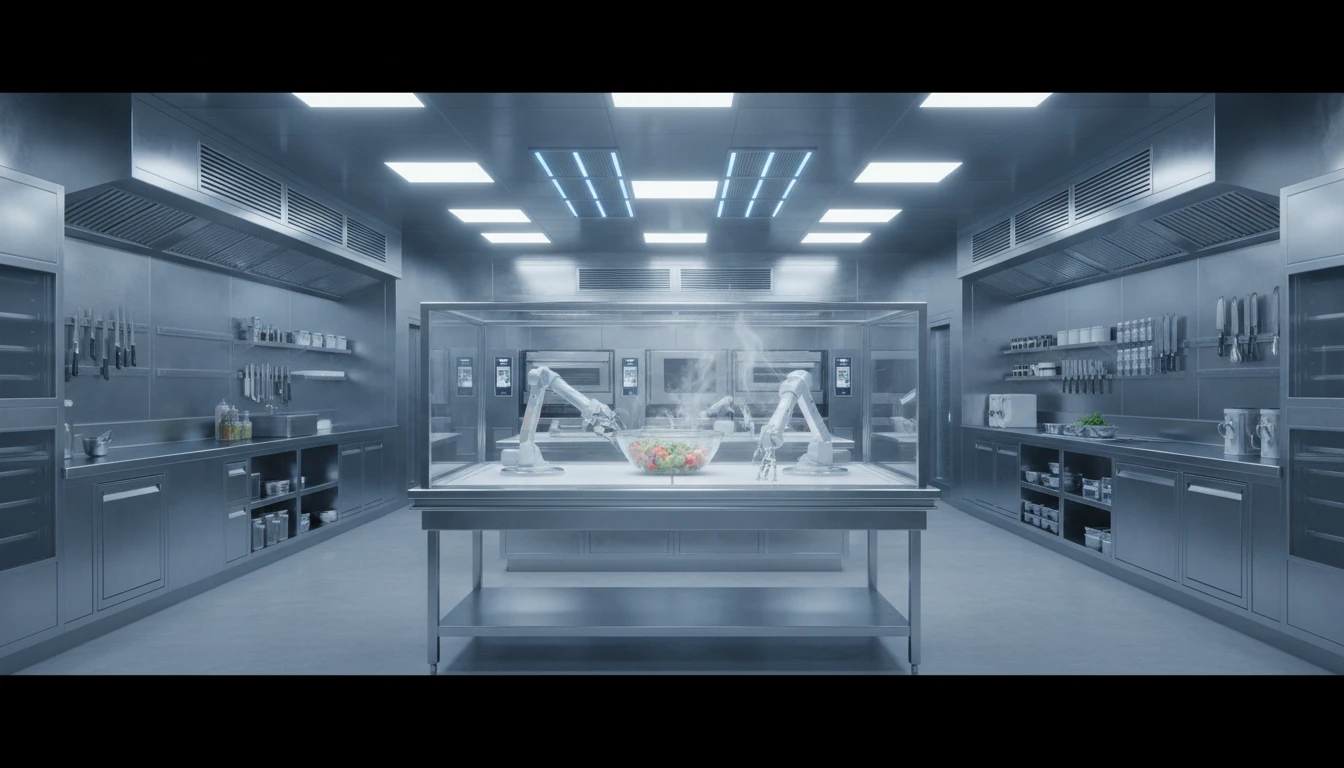
Despite the explosive growth, the system isn't without its problems. The biggest challenge is logistics. A delayed train can throw the entire delivery schedule into chaos. Passenger reviews are mixed, with many praising the convenience while others report issues like failed deliveries, cold food, and difficulties securing refunds. There's also the issue of unauthorised vendors operating fake apps, which poses risks of financial fraud and consumption of unhygienic food. In response, IRCTC has been taking legal action against such entities to protect passengers. Ensuring consistent quality and service across hundreds of stations and thousands of vendors remains a significant hurdle for both IRCTC and its partners.
The Official Track: What Railways Is Doing
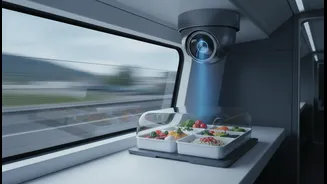
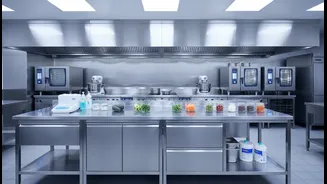
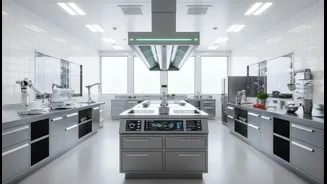
Indian Railways and IRCTC are actively working to streamline and improve the e-catering ecosystem. They have partnered with major food aggregators like Swiggy and Zomato to expand the network, which now covers over 400 stations. There is a strong emphasis on quality control, with mandatory FSSAI certification, CCTV monitoring in base kitchens, and third-party audits to ensure hygiene standards are met. The growth has been exponential; Swiggy recently reported a threefold year-on-year increase in train food orders for the first quarter of 2026. This digital push is seen as a core part of modernising the passenger experience, with railways aiming for e-catering to be as reliable as any urban food delivery service.