





Embrace a State of Flux
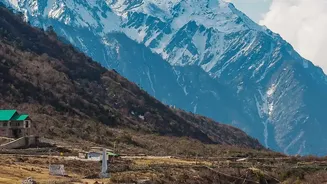
Planning a trip to Sikkim with a rigid, day-by-day schedule is a recipe for disappointment. The state's mountainous terrain makes it highly susceptible to unpredictable weather, landslides, and sudden road closures, especially during monsoon and winter.
News of stranded tourists and cancelled permits is common, with routes to popular destinations like North Sikkim (Lachen and Lachung) or the Nathu La Pass often being temporarily suspended. Rather than viewing this as a negative, consider it part of the adventure. An inflexible plan shatters when a road is blocked; a flexible one simply adapts. This approach allows you to pivot without stress, ensuring your holiday continues, just perhaps on a different, unexpected path.
Build Your Itinerary in Blocks
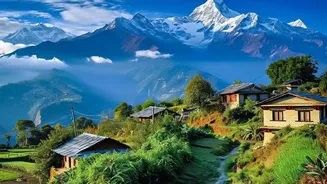
Instead of booking a new hotel every night, structure your trip around strategic bases. Gangtok is the natural hub for most travellers, providing access to East Sikkim's attractions like Tsomgo Lake and serving as the starting point for journeys into North Sikkim. A smart approach is to book a hotel in Gangtok for several days. This gives you a comfortable base from which to launch day trips. If the weather is clear and permits are available, you can head to Tsomgo Lake. If not, you have a wealth of in-town options like Rumtek Monastery, the Namgyal Institute of Tibetology, or simply exploring the vibrant MG Marg. Similarly, for West Sikkim, Pelling can serve as a base for exploring monasteries, waterfalls, and viewpoints of Kanchenjunga.
Permits, Patience, and Plan B
Many of Sikkim's most coveted destinations, including Tsomgo Lake, Nathu La, and the entirety of North Sikkim (Lachen, Lachung, Gurudongmar Lake), require special permits for Indian and foreign tourists alike. These permits are often contingent on weather and road conditions and can be cancelled without notice. This is where a Plan B becomes essential. Always discuss alternatives with your travel agent. For example, if North Sikkim is inaccessible, could you explore the quieter, scenic roads of West Sikkim towards Pelling and Yuksom? Or perhaps a trip to South Sikkim to see the giant Buddha statue at Ravangla? Having these alternatives ready turns a potential disruption into a new opportunity.
The Serendipity of the Unplanned
A flexible itinerary isn't just a defensive strategy; it's an invitation for serendipity. When you aren't rushing to the next pre-booked destination, you have the freedom to linger. You might spend an extra hour at a stunning viewpoint because the clouds have parted perfectly, or accept an invitation for tea from a friendly local at a homestay. Your driver, often a wealth of local knowledge, might suggest a detour to a hidden waterfall or a local festival that wasn't in any guidebook. These spontaneous moments, born from a willingness to deviate from the plan, are often the most memorable parts of a journey through the Himalayas. A rigid schedule robs you of these priceless experiences.
Choosing Your On-Ground Partners
The key to a successful flexible trip often lies in the partners you choose. When booking, opt for a registered local travel agent who is transparent about potential disruptions and can help you pivot quickly. An experienced local driver is your single greatest asset. They have real-time information on road conditions, know which alternative routes are viable, and can manage checkpoints and permits efficiently. Before finalising, ask your tour operator about their policy for road closures or cancelled permits. A good operator will have contingency plans and will have discussed 'what-if' scenarios with you, ensuring you are prepared for the realities of mountain travel.