






The Undisputed Vitamin C Champion
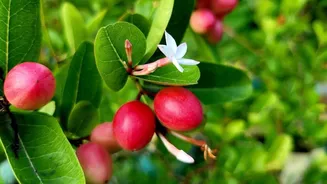
When we think of Vitamin C, oranges often come to mind. However, the Indian gooseberry vastly surpasses them. On a weight-for-weight basis, amla contains significantly more Vitamin C, with some studies suggesting it has up to 20 times the concentration
of an orange. This makes it one of the most potent natural sources of this essential nutrient. This high Vitamin C content is crucial for a strong immune system, helping your body produce the white blood cells needed to fight off infections like the common cold. Unlike synthetic supplements, the Vitamin C in amla is bound with tannins, which helps protect it from degrading and may improve its absorption by the body.
A Treasure Trove of Antioxidants
Beyond Vitamin C, amla is packed with a wide array of powerful antioxidants, including polyphenols, flavonoids, and gallic acid. These compounds are vital for combating oxidative stress, the process where unstable molecules called free radicals damage cells, contributing to chronic diseases and ageing. By neutralizing these free radicals, the antioxidants in amla help protect the body against conditions like heart disease and diabetes. This antioxidant activity also contributes to healthier, more radiant skin by supporting collagen production and fighting cellular damage.
A Pillar of Ayurvedic Tradition
For thousands of years, amla has been a cornerstone of Ayurvedic medicine, where it is revered as a 'Rasayana,' or a rejuvenating herb that promotes longevity and overall vitality. It is a key ingredient in famous formulations like Triphala, used for detoxification and digestive health, and Chyawanprash, a jam-like tonic for immunity. Ayurveda values amla for its ability to balance all three doshas (Vata, Pitta, and Kapha), making it a versatile remedy for a wide range of ailments. Traditional uses include improving digestion, enhancing liver function, strengthening hair, and improving eye health.
Bringing Amla Into Your Modern Kitchen
The intense tartness of raw amla can be challenging for some, but its versatility in the kitchen is remarkable. One of the most popular ways to enjoy it is by making a 'murabba,' a sweet preserve where the berries are sweetened in sugar syrup. Pickles (achar) are another classic, turning the sour fruit into a spicy, flavourful condiment. For a quick health shot, you can juice amla, often mixing it with other ingredients like ginger or mint to balance the flavour. It can also be dried and ground into a powder, which can be added to smoothies, curries, or simply mixed with water. Other creative uses include making chutneys, relishes, and even savoury curries where its sourness brightens the entire dish.
A Note on Moderation
While amla is incredibly beneficial, it's best consumed in moderation. Due to its high acidity and Vitamin C content, excessive intake, especially on an empty stomach, can sometimes lead to stomach discomfort or heartburn for individuals with sensitive digestive systems or a history of hyperacidity. Its high fibre content, while great for digestion, can cause constipation if consumed in large amounts without adequate water intake. As a diuretic, it increases urine output, which can lead to dehydration if you're not drinking enough fluids. For most people, enjoying one or two fresh amlas a day or an equivalent amount in juice or powder form is a safe and effective way to reap its rewards.