



The Soul of Simplicity
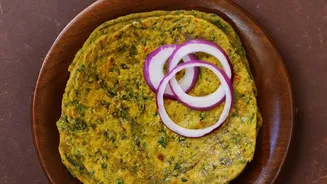
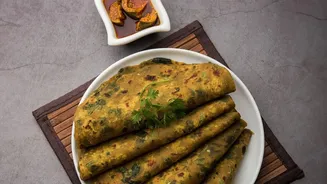
Unlike its stuffed cousins, the beauty of the Methi Paratha lies in its elegant simplicity. Instead of a dense pocket of filling, fresh fenugreek leaves (methi) are finely chopped and kneaded directly into the whole wheat flour (atta) dough, along with
a handful of spices like ajwain (carom seeds), turmeric, and a hint of chilli. This integration is key. The flavour of the methi—earthy, nutty, and slightly bitter—is distributed throughout every bite, creating a cohesive and satisfying experience without the bulk of a separate filling. The dough itself becomes the star, a perfect canvas for the aromatic greens.
A Breath of Fresh, Earthy Air
The word “fragrant” is central to the Methi Paratha’s appeal. As the paratha cooks on a hot tawa, the fenugreek leaves release a distinct, memorable aroma that fills the kitchen—a scent that is deeply savoury and complex. This is a world away from the (equally delicious) aroma of fried potatoes or onions associated with aloo or pyaz parathas. The garlic, often paired with methi in the dough, complements the leaves' natural bitterness and adds another layer of flavour that makes these flatbreads irresistible. The experience is as much about the smell as it is about the taste.
Lighter by Design
Stuffed parathas, from aloo to paneer and gobi, are undeniably comforting but can often feel heavy. The filling itself adds density, and they frequently require more ghee or oil to ensure both the dough and the stuffing are cooked through. Methi parathas, by contrast, are structurally lighter. With the greens incorporated into a single layer of dough, they can be rolled thinner and cook more quickly, often requiring less fat to achieve a perfectly crisp and soft texture. The result is a flatbread that feels nourishing and wholesome rather than indulgent and heavy, making it an ideal choice for a regular breakfast or a light lunch.
More Than Just Flavour
Beyond its delightful taste, methi is a powerhouse of nutrients. The fresh leaves are rich in iron, calcium, fibre, and vitamins A and C. In traditional and Ayurvedic practices, fenugreek is valued for its potential health benefits, including aiding digestion, helping manage blood sugar levels, and reducing inflammation. Its high fibre content can help you feel full and satisfied, while also supporting gut health and preventing issues like constipation. So, when you choose a Methi Paratha, you are not just opting for a lighter meal, but also a more nutritionally dense one.
The Art of the Perfect Pairing
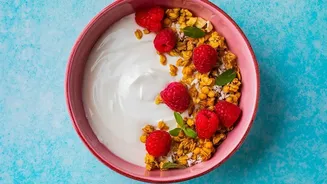
Because of its self-contained flavour, a Methi Paratha doesn’t need much adornment. While heavier parathas are often paired with rich curries or a large dollop of butter, the Methi Paratha shines with simpler accompaniments that complement its taste without overwhelming it. A bowl of cool, plain curd (yogurt) is the classic pairing, its tanginess balancing the slight bitterness of the methi. A simple pickle (achaar) or a light raita also works beautifully. For a truly comforting meal, many enjoy it with nothing more than a hot cup of chai, allowing the paratha’s unique fragrance and flavour to take centre stage.